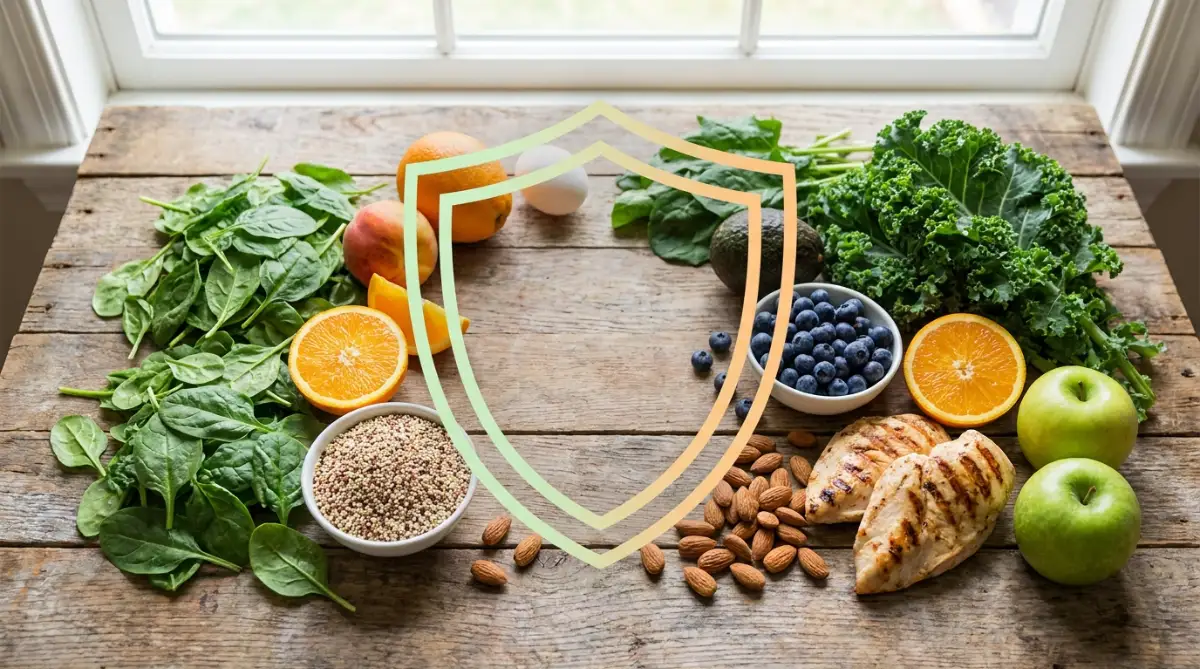
Everyday Foods That May Help Strengthen Your Immune Response
Your immune system is always working in the background, even when you’re not thinking about it. It helps your body spot potential threats, supports healing, and runs a complex network of cells, tissues, and organs that keep you healthy.
While no single food can protect you from infections or “boost” your immune system overnight, what you eat every day can support normal immune function.
The good news? You don’t need fancy ingredients, expensive supplements, or complicated meal plans. A lot of everyday foods already come packed with vitamins, minerals, antioxidants, protein, fiber, and other nutrients your body uses.
From citrus fruits and leafy greens to yogurt, beans, nuts, seeds, fish, and whole grains, a varied diet can help give your body what it needs.
This guide breaks down simple food choices that may support immune health and explains why variety matters more than any single “superfood.”
Why Nutrition Matters for a Healthy Immune System
Your immune system is pretty complex. It includes things like your skin, airways, immune cells, signaling systems, lymph nodes, and more.
All of these depend on good nutrition.
Your body needs energy and nutrients to keep everything running smoothly. Several vitamins and minerals play a role in immune-related functions, including vitamin A, vitamin C, vitamin D, vitamin E, zinc, selenium, and iron.
Protein is also important because it provides the building blocks your body uses to maintain tissues and support normal immune activity.
But more isn’t always better.
A balanced diet usually works better than focusing too much on one nutrient or food. Taking high-dose supplements without guidance can sometimes do more harm than good.
That’s why the goal is really variety, not a miracle food.
1. Citrus Fruits for Vitamin C
Oranges, grapefruit, lemons, limes, and other citrus fruits are well known for their vitamin C.
Vitamin C supports normal immune function and also works as an antioxidant, helping protect your cells from stress.
Adding citrus fruits to your daily routine is an easy way to boost fruit intake and get useful nutrients.
Simple Ways to Enjoy Citrus Fruits
You can snack on an orange, squeeze lemon into water or meals, or toss citrus slices into a fruit salad.
Whole fruit is usually better than juice since it also gives you fiber.
Of course, if you have specific health conditions, your needs may be different.
2. Colorful Vegetables for a Variety of Nutrients
One of the easiest healthy eating habits is simply eating more vegetables in different colors.
Different veggies bring different vitamins, minerals, fiber, and plant compounds. So the more variety you eat, the better your overall nutrient intake tends to be.
Carrots, sweet potatoes, bell peppers, tomatoes, broccoli, spinach, cabbage, and many others all fit into a balanced diet.
Why Variety Matters More Than One “Superfood”
It’s easy to look for one magic food that improves immunity. But your body doesn’t work that way—it needs a mix of nutrients working together.
A plate with several different vegetables gives you more benefits than eating the same veggie over and over.
Try switching things up during the week instead of sticking to just one favorite.
For example, one meal might include spinach and carrots, while another includes broccoli, peppers, and tomatoes.
3. Leafy Greens and Their Nutritional Benefits
Spinach, kale, collard greens, mustard greens, and other leafy veggies can be a great part of a healthy diet.
They may provide folate, vitamin C, vitamin K, carotenoids, minerals, and fiber, depending on the type.
They’re also super flexible—you can add them to soups, stir-fries, salads, omelets, or pretty much any cooked dish.
Making Leafy Greens Easier to Eat Regularly
If big salads aren’t your thing, that’s totally fine—you don’t need to force it.
Just add a small handful of greens into meals you already enjoy.
For example, mix them into soups, lentils, rice dishes, eggs, or curries.
Small, easy changes are usually what stick long-term.
4. Garlic and Other Flavorful Plant Foods
Garlic has been used in cooking for a long time and contains natural compounds that researchers are still studying.
Using garlic in everyday meals adds flavor and a bit of extra nutrition.
Other ingredients like onions, ginger, herbs, and spices can also make healthy food more enjoyable.
That said, it’s important to remember: these foods are part of a healthy diet, not a cure or prevention for illness.
Food supports health—it doesn’t replace medical care.
5. Yogurt and Other Fermented Foods
Your gut and immune system are closely connected. A healthy gut environment is part of overall well-being.
Yogurt with live cultures can provide protein and beneficial bacteria, depending on the product.
Other fermented foods can also fit into a balanced diet.
What to Look for in Yogurt
Plain or low-sugar yogurt is usually a better choice if you want to avoid extra added sugar.
You can mix it with fruit, nuts, or seeds for a simple, nutrient-rich snack.
If you’re lactose intolerant or avoid dairy, there are plenty of alternatives available.
6. Fatty Fish for Vitamin D and Healthy Fats
Salmon, sardines, trout, and other fatty fish provide protein and healthy fats like omega-3s.
Some also contain vitamin D, which plays a role in several body functions, including immune health.
Including fish occasionally can improve overall diet quality.
A Balanced Approach to Fish
You don’t need fish every day.
Just include it sometimes alongside vegetables, grains, legumes, or other healthy foods.
If you’re pregnant, breastfeeding, or cooking for kids, it’s important to follow guidance on fish types and mercury levels.
7. Beans, Lentils, and Other Legumes
Beans, lentils, chickpeas, and peas are affordable, filling, and packed with nutrients.
They provide plant-based protein, fiber, folate, iron, and more.
Protein is important for maintaining body tissues and supporting normal functions.
Legumes are especially helpful if you want to eat more plant-based meals without relying only on meat.
Easy Ways to Add More Legumes
Add lentils to soups, chickpeas to salads, or beans to veggie dishes.
You can also pair them with rice or other grains for a simple, balanced meal.
8. Nuts and Seeds for Nutrient-Dense Nutrition
Almonds, walnuts, peanuts, sunflower seeds, pumpkin seeds, chia seeds, and others offer healthy fats, protein, fiber, vitamin E, magnesium, zinc, and more.
Since they’re calorie-dense, portion size matters a bit.
A small handful is usually enough to boost a meal or snack.
A Simple Snack Combination
Try yogurt topped with a few nuts and some fruit.
It’s an easy mix of protein, healthy fats, fiber, and vitamins.
The goal isn’t perfection—it’s variety.
9. Whole Grains for Fiber and Nutritional Variety
Whole grains like oats, brown rice, barley, and whole-wheat products add fiber, vitamins, minerals, and other helpful nutrients.
Fiber supports digestion and overall health.
Swapping some refined grains for whole grains is a simple way to improve diet quality.
Making the Switch Gradually
You don’t have to change everything at once.
Start by replacing a few meals with whole-grain options and build from there.
The best diet is one that actually fits your lifestyle.
10. Berries and Other Colorful Fruits
Berries like strawberries, blueberries, raspberries, and blackberries offer vitamin C, fiber, and plant compounds.
If berries are hard to find or expensive, other fruits still work great.
Apples, guava, papaya, mango, kiwi, and many others all add value to your diet.
Think Beyond Vitamin C
Immune health isn’t just about vitamin C.
Fruits bring a mix of fiber, vitamins, minerals, and plant compounds—so variety is key.
11. Eggs as a Convenient Source of Protein
Eggs are a simple, affordable source of high-quality protein along with several vitamins and minerals.
Protein helps maintain body tissues and supports normal body functions.
They’re also easy to cook and can be paired with vegetables and grains for a balanced meal.
If you have specific health concerns, it’s best to follow personalized advice from a healthcare professional.
12. Hydration Is Part of Healthy Nutrition
Water isn’t usually called an “immune food,” but staying hydrated is still essential.
It helps regulate temperature, transport nutrients, support digestion, and keep your body functioning properly.
Your fluid needs depend on your body, activity level, climate, and health.
Water is usually the simplest and best everyday choice.
Try not to wait until you’re very thirsty—make drinking fluids part of your routine.
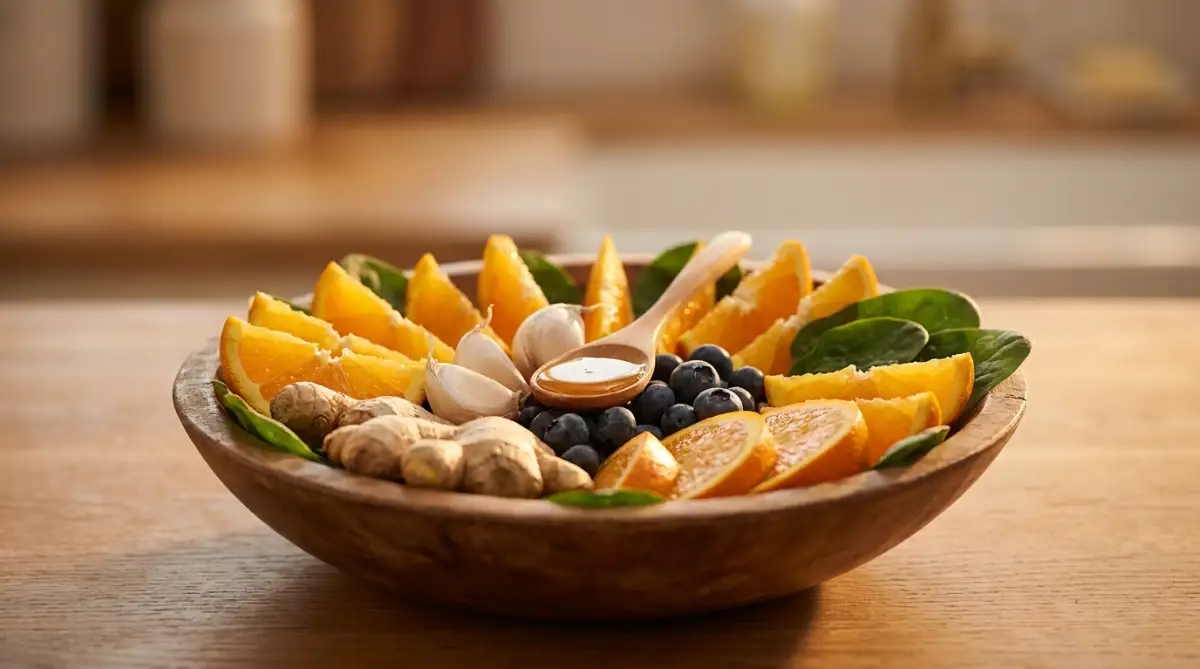
Building an Immune-Friendly Plate
Instead of asking, “What’s the best food for immunity?” try thinking:
“How can I build a balanced meal with different nutrients?”
A simple plate might include:
- A good portion of vegetables
- A protein source like fish, eggs, beans, lentils, or chicken
- Whole grains or other healthy carbs
- A serving of fruit
- A small amount of healthy fats from nuts, seeds, or similar foods
This naturally gives you variety without overthinking it.
What an Immune-Supporting Diet Cannot Do
Healthy foods support your body, but they don’t guarantee protection from illness.
No single food can make you immune to viruses or infections.
And eating large amounts of one nutrient won’t automatically make your immune system stronger.
Good nutrition works best alongside sleep, physical activity, stress management, hygiene, and regular healthcare.
People with medical conditions or special dietary needs should get personalized advice from a qualified professional.
The Bigger Picture: Consistency Beats “Superfoods”
There’s no magic ingredient for immunity.
What really matters is your overall eating pattern over time.
Eating more vegetables, choosing fruit over processed snacks more often, getting enough protein, adding fiber-rich foods, and staying hydrated all work together.
Your immune system is part of your whole body—so supporting your health means supporting your lifestyle as a whole.
In the next part, we can look at how to turn these foods into easy everyday meals, common diet mistakes to avoid, and how lifestyle habits also affect immune health.
Turning Immune-Supportive Nutrition Into Everyday Habits
Knowing which foods contain useful nutrients is just the starting point. The real challenge is turning that knowledge into meals you can actually make, enjoy, and stick with.
A healthy eating pattern doesn’t have to be complicated. In fact, the most sustainable approach is usually the simplest one: build meals around a variety of minimally processed foods, include different food groups throughout the day, and don’t rely on a single “superfood” to do all the work.
Your immune system also doesn’t work in isolation. Things like digestion, sleep, physical activity, stress, hydration, metabolic health, and overall nutrition all play a role in how your body feels day to day.
So supporting immune health is less about finding one magic food and more about building steady, consistent habits.
How to Turn Healthy Ingredients Into Balanced Meals
A common issue with nutrition advice is that people learn about individual foods but aren’t shown how to actually put them together.
Instead of thinking in single ingredients, think in meals.
A balanced meal can include a few simple parts:
- A source of protein
- Vegetables or other plant foods
- A source of carbohydrates
- A small amount of healthy fat
- Water or another unsweetened drink
For example, you might have grilled fish with vegetables and brown rice. Or lentils with mixed vegetables and rice. For breakfast, eggs with vegetables and whole-grain toast works well too.
The exact mix can change based on culture, budget, availability, preferences, and personal health needs.
Use the “Add More Variety” Approach
You don’t have to overhaul everything you already eat.
Instead, just think: what can I add?
Could you add vegetables to lunch?
Could fruit replace a processed snack?
Could you include beans or lentils a couple of times a week?
Could you add nuts or seeds to a snack?
Small changes like this can slowly improve your overall diet.
A Practical Daily Eating Pattern
There’s no single “immune-boosting menu” that works for everyone. People have different energy needs and lifestyles.
Still, a simple structure can make things easier.
Start the Morning With Nutritional Variety
Breakfast can be a good place to include protein, fiber, and plant foods.
For example, eggs with vegetables and whole-grain toast give you a mix of protein, carbs, and micronutrients.
Or you could go with plain yogurt, fruit, oats, and a small handful of nuts or seeds.
The goal isn’t perfection—it’s just avoiding breakfasts that are mostly refined carbs or added sugar.
Build a Balanced Midday Meal
Lunch is a great opportunity to include vegetables and protein.
A simple option could be beans or lentils with vegetables and rice or another grain.
If you prefer animal protein, fish, chicken, or eggs can be paired with vegetables and a carb source.
The key is balance, not strict rules.
Keep Evening Meals Simple
Dinner doesn’t need to be complicated.
A meal with vegetables, a protein source, and a moderate portion of carbs is usually enough.
If you’ve already eaten well earlier in the day, dinner can be lighter while still nutritious.
Smart Snack Choices Can Make a Difference
Snacking isn’t the problem—what you snack on is what matters.
Highly processed snacks are convenient, but they often come with lots of added sugar, salt, or refined carbs and not much nutrition.
Better snack options might include:
- Fresh fruit
- Plain yogurt
- A small handful of nuts or seeds
- Vegetable sticks with dip
- A boiled egg
- Beans or another protein-rich option
What works best depends on your needs and preferences.
Prepare Healthy Options Before Hunger Arrives
One helpful trick is making the healthy choice the easy choice.
Keep fruit washed and ready. Pre-cut vegetables. Cook beans or lentils ahead of time. Portion out nuts instead of eating from a large bag.
When good options are convenient, you’re more likely to choose them.
Common Nutrition Habits That Can Work Against a Balanced Diet
People often focus on what to eat and forget about habits that can quietly lower diet quality.
A few common ones are worth watching.
Relying on One “Immune-Boosting” Food
One big misconception is that a single food can dramatically boost immunity.
There’s no need to overdo garlic, citrus, ginger, or any other “superfood.”
Your body needs a wide range of nutrients, best obtained through a varied diet.
Taking Supplements Without Understanding the Need
Supplements can be helpful in specific cases, especially if a deficiency is confirmed.
But taking high doses “just in case” isn’t always helpful—and can sometimes be harmful.
Some nutrients can build up in the body or interact with medications.
If you think you might be deficient, it’s best to talk to a healthcare professional first.
Replacing Real Meals With Drinks or Powders
Meal replacement drinks and powders can be useful in certain situations, but they’re not automatically better than real food.
Whole foods naturally provide a mix of nutrients that work together as part of a balanced diet.
For most people, regular meals made from everyday foods are the best foundation.
Watch Your Added Sugar and Highly Processed Foods
Having a sweet treat now and then is completely fine.
The issue is when highly processed foods become the main part of your daily diet.
Frequent intake of sugary foods and drinks can crowd out more nutritious options.
Instead of strict restriction, focus on balance, portion size, and how often you eat them.
Pay Attention to Sodium and Overall Food Quality
Sodium is necessary in small amounts, but too much can be a concern for some people.
Many packaged foods contain high levels of sodium.
Reading labels can help, but you don’t need to obsess over every number.
A better approach is simply eating more whole and minimally processed foods most of the time.
Food Safety Is Also Part of Protecting Health
Healthy eating isn’t just about nutrients—it’s also about safety.
Foodborne illness can happen if food is handled or stored incorrectly.
Basic habits include washing hands, separating raw and cooked foods, cooking properly, and storing food safely.
Even fresh ingredients can become unsafe if handled poorly.
Be Careful With Raw and Undercooked Foods
Some people are more vulnerable to foodborne illness.
This includes pregnant people, young children, older adults, and those with weakened immune systems.
Extra care with raw or undercooked foods is important for these groups.
Your Gut Health and Overall Well-Being
Your digestive system plays a big role in overall health.
Fiber from fruits, vegetables, legumes, and whole grains supports normal digestion.
A varied diet also helps support a healthy gut environment.
But there’s no single food that “fixes” your gut overnight.
Think of gut health as another reason to eat a diverse, fiber-rich diet.
Increase Fiber Gradually
If you’re not used to eating much fiber, increasing it too quickly can cause discomfort.
It’s better to build up slowly.
Add more vegetables, fruit, beans, or whole grains over time, and drink enough fluids.
If symptoms persist, it’s a good idea to seek medical advice.
Sleep and Immune Health Should Not Be Ignored
Food gets a lot of attention, but lifestyle matters just as much.
Sleep is essential for overall health. Not getting enough can affect many body functions.
Instead of trying to “fix” poor sleep with supplements or special foods, focus on your routine.
A consistent sleep schedule, a calm environment, and less evening stimulation can all help.
Regular Physical Activity Complements Healthy Eating
Movement is another key part of health.
Regular activity supports heart health, muscles, metabolism, and general well-being.
It doesn’t have to be intense—walking, cycling, swimming, or even daily chores all count.
If you have health conditions or haven’t been active in a while, it’s smart to check with a professional first.
Managing Stress Can Support Better Health Habits
Stress is normal, but long-term stress can affect sleep, eating habits, and energy levels.
Some people skip meals, while others reach for processed comfort foods.
Instead of being hard on yourself, try to make healthy choices easier during stressful times.
Simple habits help: prepping meals, keeping snacks ready, going for short walks, and sticking to a basic routine.
Special Dietary Needs Require Individual Consideration
General advice doesn’t fit everyone.
People with medical conditions, allergies, or specific health needs may require tailored nutrition plans.
Pregnancy, breastfeeding, age, and health status can all change nutritional needs.
So what works for one person may not work for another.
Do Not Change Medical Treatment Based on Food Claims
Food can support health, but it doesn’t replace medical treatment.
If you’re on medication or managing a condition, don’t stop or change treatment based on nutrition claims you read online.
Always check with a healthcare professional first.
How to Make Healthy Eating More Affordable
Healthy eating doesn’t have to be expensive.
Many nutritious foods are simple staples like beans, lentils, oats, eggs, and seasonal vegetables.
Choose Seasonal Foods
Seasonal produce is often cheaper and easier to find.
Frozen fruits and vegetables are also a great budget-friendly option.
What matters most is consistency, not luxury ingredients.
A Simple Weekly Planning Strategy
Meal planning can make healthy eating a lot easier.
At the start of the week, you might pick:
- A few vegetables
- A couple of fruits
- Protein sources
- Whole grains
- Beans or lentils
- Healthy fats
- Simple snack options
You don’t need to plan every meal—just having a rough idea helps a lot.
How to Tell Whether Your Diet Needs Improvement
You don’t need a perfect diet to be healthy.
Instead, look at patterns:
- Am I eating a variety of foods?
- Do I get fruits and vegetables regularly?
- Am I eating enough protein?
- Do I include fiber-rich foods?
- Are processed foods taking over my meals?
- Am I staying hydrated?
- Does my diet fit my lifestyle and health needs?
These questions help you spot small, realistic improvements.
A Sustainable Approach to Immune-Supportive Eating
Supporting immune health through food is really about consistency.
You don’t need to change everything overnight.
Start small: add a vegetable, include fruit, eat beans more often, or swap in whole grains.
Once that feels easy, build on it.
Slow, steady changes are much easier to maintain than strict diets.
When Nutrition Alone Is Not Enough
Sometimes diet alone can’t explain or fix health issues.
Ongoing fatigue, unexplained weight changes, frequent infections, or digestive problems should be checked by a professional.
Don’t rely only on internet advice for symptoms.
A healthcare provider can help figure out what’s really going on.
Bringing the Whole Picture Together
A healthy immune-supportive lifestyle isn’t built on one food.
It comes from everyday habits done consistently.
A varied diet, good sleep, regular movement, safe food handling, and stress management all work together.
No single “superfood” can replace that.
A Practical Checklist to Keep
When planning meals, keep this in mind:
- Eat a variety of foods
- Include fruits and vegetables often
- Get enough protein
- Choose fiber-rich foods
- Prefer minimally processed foods
- Limit added sugar and ultra-processed foods
- Stay hydrated
- Practice food safety
- Sleep well
- Stay active
- Get professional advice when needed
Healthy eating doesn’t have to be perfect to matter.
Small, consistent choices add up over time and support your overall well-being far more than any single “miracle food.”
Medical and Nutrition Disclaimer
This article is for general educational purposes only. It is not intended to diagnose, treat, cure, or prevent any disease, and it should not replace professional medical advice. Individual needs vary. If you have a medical condition, food allergy, nutritional deficiency, take medication, are pregnant or breastfeeding, or have other health concerns, consult a qualified healthcare professional before making major dietary changes or using supplements.