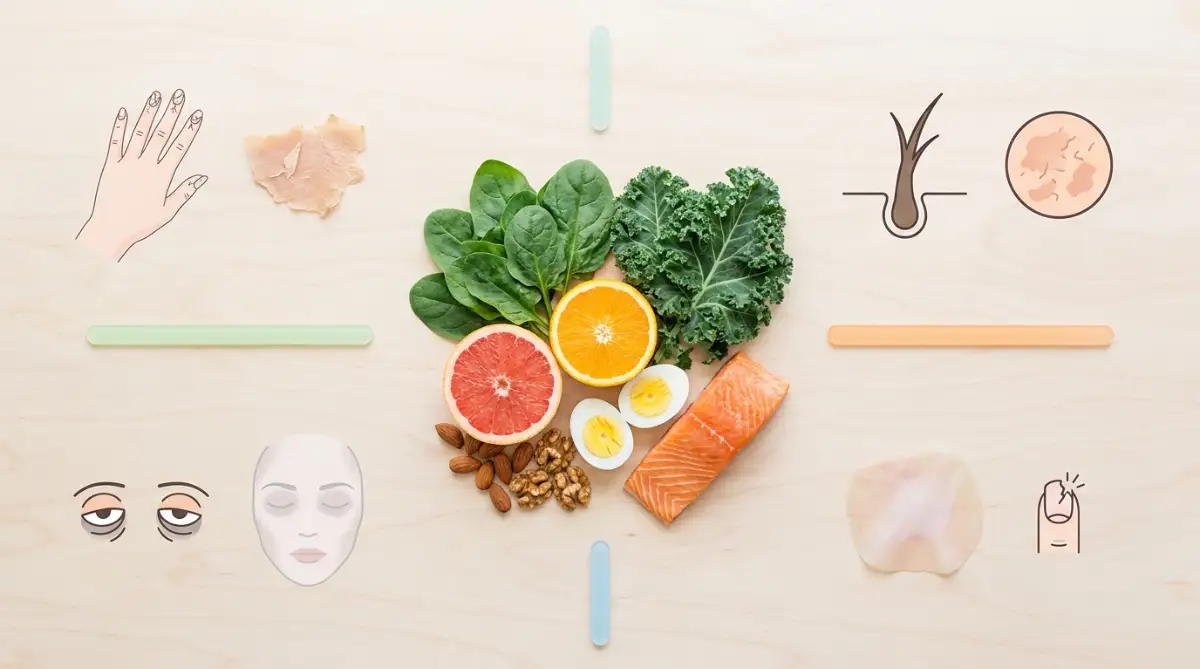
Common Signs That Your Body May Be Lacking Important Nutrients
Your body constantly communicates with you. Sometimes it speaks through energy levels, skin changes, mood shifts, or unexpected physical discomfort. Many people overlook these subtle signals, assuming they are simply the result of a busy lifestyle, aging, or temporary stress. However, in some cases, these changes may indicate that your body is not receiving enough essential vitamins, minerals, or other nutrients it needs to function properly.
Nutrients play a vital role in every system of the human body. They help produce energy, strengthen the immune system, repair tissues, support brain function, maintain healthy bones, and regulate countless biological processes. Even a mild deficiency can gradually affect your physical and mental well-being over time.
The good news is that recognizing the early warning signs may help you make informed lifestyle choices before small problems become more significant. While these symptoms do not automatically confirm a deficiency, they can be valuable clues that deserve attention.
In this guide, you'll learn about the most common signs your body may be lacking important nutrients, why these symptoms happen, and how understanding them can support better long-term health.
Why Nutrients Matter More Than Many People Realize
When one nutrient becomes insufficient, it may affect multiple systems at once. For example:
- Energy production may slow down.
- The immune system may become less effective.
- Skin and hair may lose their healthy appearance.
- Muscle recovery may become slower.
- Brain function may become less efficient.
Many nutrient deficiencies develop gradually, making them difficult to notice until symptoms become more obvious.
Understanding the Difference Between Poor Nutrition and Nutrient Deficiency
Not every unhealthy diet causes an immediate deficiency, and not every symptom means you're lacking a specific vitamin.
Poor nutrition generally refers to an eating pattern that doesn't provide balanced nourishment.
A nutrient deficiency occurs when the body consistently receives too little of a particular nutrient or cannot absorb it effectively.
Several factors may contribute to deficiencies, including:
- Limited food variety
- Digestive conditions affecting absorption
- Certain medications
- Increased nutritional needs during different life stages
- Highly processed diets
- Restrictive eating patterns
Recognizing these factors helps explain why even people who eat enough calories may still miss important nutrients.
Persistent Fatigue That Doesn't Improve With Rest
Feeling tired after a long day is normal. Feeling exhausted almost every day despite adequate sleep may deserve closer attention.
Persistent fatigue is one of the most common symptoms associated with nutritional imbalance.
Several nutrients support energy production, including:
- Iron
- Vitamin B12
- Folate
- Magnesium
When these nutrients are insufficient, oxygen delivery, nerve function, or cellular energy production may become less efficient.
Fatigue can also result from many other medical conditions, so it should never be used alone to diagnose a nutrient deficiency.
Frequent Illness or Slow Recovery
Your immune system depends on proper nutrition to function effectively.
If you frequently experience common infections or notice that minor illnesses seem to last longer than expected, your body may not be receiving everything it needs for optimal immune support.
Nutrients involved in immune health include:
- Vitamin C
- Vitamin D
- Zinc
- Selenium
- Protein
A balanced diet supports the body's natural defense mechanisms and helps maintain overall resilience.
Hair Thinning or Increased Hair Loss
Hair naturally sheds every day. However, excessive hair loss or noticeably thinner hair may sometimes be linked to nutritional factors.
Hair growth requires a steady supply of nutrients because hair follicles are among the body's most active tissues.
Important nutrients include:
- Iron
- Protein
- Biotin
- Zinc
- Vitamin D
Hair changes can also result from hormonal conditions, genetics, stress, medications, or certain illnesses.
Dry Skin and Slow Skin Healing
Healthy skin acts as your body's protective barrier.
If your skin frequently feels unusually dry, rough, or slow to heal after minor cuts and scrapes, nutrition may be one possible contributing factor.
Skin health depends on nutrients such as:
- Vitamin A
- Vitamin C
- Vitamin E
- Healthy fats
- Zinc
Adequate hydration and proper skincare habits also play important roles.
Brittle Nails That Break Easily
Strong nails usually reflect healthy nail growth.
If your nails split, peel, or break easily without obvious injury, your body may be signaling nutritional imbalance.
Potential nutrients involved include:
- Iron
- Biotin
- Zinc
- Protein
Since nails grow slowly, improvements often take time after nutritional changes are made.
Muscle Weakness or Frequent Muscle Cramps
Muscles require a careful balance of minerals and nutrients to contract and relax properly.
Occasional cramps after intense exercise are common.
However, repeated muscle cramps or unexplained weakness may sometimes be associated with low levels of:
- Magnesium
- Potassium
- Calcium
- Vitamin D
Hydration, physical activity, medications, and other health conditions may also influence muscle function.
Tingling or Numbness in the Hands and Feet
Healthy nerves rely on several essential nutrients.
If you frequently experience tingling, numbness, or unusual sensations in your hands or feet, nutritional issues could be one possible explanation.
Vitamin B12 is particularly important for maintaining healthy nerve function.
However, nerve-related symptoms should always be evaluated by a qualified healthcare professional because they may also indicate neurological or metabolic conditions.
Mouth Sores or Cracks Around the Lips
Small sores inside the mouth or painful cracks at the corners of the lips can sometimes occur due to inadequate intake of certain vitamins and minerals.
Possible nutrients involved include:
- B vitamins
- Iron
- Zinc
These symptoms may also result from infections, irritation, allergies, or other medical conditions, making proper evaluation important.
Changes in Mood or Difficulty Concentrating
Nutrition affects not only physical health but also brain function.
Some people experiencing nutritional imbalance may notice:
- Difficulty focusing
- Poor concentration
- Mental fatigue
- Irritability
- Mood changes
Several nutrients contribute to healthy brain function, including:
- Omega-3 fatty acids
- Vitamin B12
- Folate
- Iron
- Magnesium
Mental health symptoms are complex and should never be attributed solely to nutrition without appropriate medical assessment.
Reduced Night Vision or Eye Discomfort
Your eyes require continuous nutritional support.
Vitamin A plays an essential role in maintaining normal vision, especially under low-light conditions.
People experiencing ongoing vision changes should seek professional eye care rather than assuming nutrition is the only cause.
Eye health also benefits from antioxidants found in colorful fruits and vegetables.
Frequent Bone or Joint Discomfort
Bones constantly rebuild themselves throughout life.
Nutrients supporting bone health include:
- Calcium
- Vitamin D
- Magnesium
- Phosphorus
Insufficient intake over long periods may affect bone strength.
Joint discomfort, however, has many possible causes beyond nutrition.
Unexplained Pale Skin
Skin color naturally varies among individuals.
If someone develops unusual paleness compared to their normal appearance, it could sometimes be associated with reduced red blood cell production, which may relate to iron, folate, or vitamin B12 intake.
Because many medical conditions can also cause pale skin, professional evaluation is recommended when symptoms persist.
Poor Wound Healing
Even small cuts require nutrients for proper tissue repair.
Healing depends on:
- Protein
- Vitamin C
- Zinc
- Vitamin A
Slow healing may result from nutritional factors, but it can also occur due to diabetes, circulation problems, infections, and other medical conditions.
Increased Food Cravings
Occasionally craving certain foods is completely normal.
Some researchers have explored whether nutritional imbalance may influence specific cravings, although cravings alone are not considered reliable indicators of nutrient deficiency.
Instead of focusing on individual cravings, it's generally more helpful to evaluate overall dietary quality and eating habits.
Digestive Changes
The digestive system relies on adequate fiber, water, and nutrients to function efficiently.
Common digestive concerns include:
- Constipation
- Bloating
- Irregular bowel movements
While these symptoms often relate to diet, hydration, and lifestyle, persistent digestive problems should be discussed with a healthcare provider to identify their underlying cause.
Why Self-Diagnosis Can Be Misleading
Many nutrient deficiency symptoms overlap with other health conditions.
For example:
- Fatigue may result from poor sleep, thyroid disorders, anemia, infections, or chronic stress.
- Hair loss may relate to hormones, genetics, medications, or illness.
- Muscle cramps may occur due to dehydration, exercise, or certain medications.
This is why symptoms alone cannot confirm a specific deficiency.
Blood tests, medical history, dietary assessment, and professional evaluation are often needed to identify the actual cause.
Simple Daily Habits That Support Better Nutrition
While every individual has different nutritional needs, several healthy habits can help support overall nutrient intake:
- Eat a variety of colorful fruits and vegetables.
- Include whole grains regularly.
- Choose lean protein sources.
- Add healthy fats such as nuts, seeds, and fish when appropriate.
- Stay adequately hydrated.
- Limit highly processed foods.
- Avoid skipping meals frequently.
- Follow any dietary recommendations provided by healthcare professionals.
These habits contribute to overall health rather than targeting a single nutrient.
Who May Be More Likely to Experience Nutrient Deficiencies
Certain groups may have a higher chance of developing deficiencies, including:
- Older adults
- Pregnant individuals
- People with digestive disorders
- Individuals following highly restrictive diets
- Those with certain chronic medical conditions
- People recovering from prolonged illness
These groups may benefit from personalized nutritional guidance based on their individual circumstances.
When It's Time to Seek Professional Advice
If symptoms are persistent, worsening, or affecting your daily life, it's important to speak with a qualified healthcare professional.
Medical evaluation may include:
- Reviewing your health history
- Assessing dietary habits
- Physical examination
- Laboratory testing when appropriate
Early evaluation helps identify whether symptoms are related to nutrition or another medical condition requiring treatment.
Practical Ways to Improve Your Nutrient Intake Naturally
Supporting your body with essential nutrients does not require complicated diets or expensive superfoods. In many cases, small, consistent improvements to your daily eating habits can make a meaningful difference over time. The goal is not perfection but creating a balanced dietary pattern that provides a wide variety of vitamins, minerals, protein, healthy fats, and fiber.
One of the easiest strategies is to focus on diversity. Eating the same foods every day may limit your intake of certain nutrients. Including different fruits, vegetables, whole grains, legumes, dairy or fortified alternatives, lean proteins, nuts, and seeds throughout the week helps provide a broader nutritional profile.
Instead of thinking about individual vitamins, consider building meals that include multiple food groups. For example:
- A source of lean protein
- A serving of colorful vegetables
- Whole grains or other complex carbohydrates
- Healthy fats
- Fresh fruit when appropriate
This balanced approach supports overall health while reducing the risk of nutritional gaps.

Foods That Naturally Provide Important Nutrients
Iron-Rich Foods
Iron supports oxygen transport throughout the body.
Examples include:
- Lean red meat
- Poultry
- Fish
- Lentils
- Beans
- Spinach
- Fortified breakfast cereals
Pairing plant-based iron sources with foods rich in vitamin C may help improve iron absorption.
Foods High in Vitamin B12
Vitamin B12 is essential for healthy nerves and red blood cell production.
Common sources include:
- Fish
- Eggs
- Dairy products
- Meat
- Fortified cereals
- Fortified plant-based beverages
Individuals following vegan diets may require personalized guidance regarding B12 intake.
Calcium-Rich Foods
Calcium supports healthy bones, teeth, muscles, and nerve function.
Good sources include:
- Milk
- Yogurt
- Cheese
- Fortified plant-based drinks
- Tofu prepared with calcium
- Leafy green vegetables
Vitamin D Sources
Vitamin D helps the body absorb calcium and supports immune function.
It may come from:
- Fatty fish
- Egg yolks
- Fortified dairy products
- Fortified cereals
- Safe sunlight exposure, depending on individual circumstances
Since vitamin D production varies widely, some individuals may require medical assessment if deficiency is suspected.
Magnesium-Rich Foods
Magnesium contributes to hundreds of biochemical processes.
Healthy options include:
- Almonds
- Pumpkin seeds
- Whole grains
- Black beans
- Spinach
- Cashews
Zinc Sources
Zinc plays an important role in wound healing and immune health.
Foods containing zinc include:
- Beef
- Seafood
- Chickpeas
- Lentils
- Pumpkin seeds
- Dairy products
Vitamin C-Rich Foods
Vitamin C supports collagen production and immune function.
Excellent choices include:
- Oranges
- Strawberries
- Kiwi
- Bell peppers
- Broccoli
- Tomatoes
Lifestyle Habits That Affect Nutrient Absorption
Eating nutritious foods is only part of the equation. Your body also needs to absorb and use those nutrients efficiently.
Several lifestyle factors influence absorption, including:
Maintaining Digestive Health
A healthy digestive system helps break down food and absorb nutrients effectively.
Supporting digestive health may involve:
- Eating enough dietary fiber
- Drinking sufficient water
- Staying physically active
- Managing long-term digestive conditions with medical guidance
Limiting Highly Processed Foods
Highly processed foods often contain excess added sugars, sodium, and unhealthy fats while providing fewer vitamins and minerals compared to minimally processed alternatives.
Choosing whole foods more often can improve overall nutrient intake without requiring strict dietary rules.
Avoiding Extreme Dieting
Very restrictive eating plans may unintentionally eliminate important food groups.
Over time, this can increase the likelihood of nutritional deficiencies, especially when diets exclude:
- Dairy
- Fruits
- Vegetables
- Whole grains
- Protein-rich foods
Balanced nutrition is generally more sustainable than highly restrictive approaches.

Hydration and Nutrition Work Together
Water does much more than quench thirst.
Proper hydration supports:
- Digestion
- Nutrient transportation
- Temperature regulation
- Joint lubrication
- Waste removal
Water-rich foods such as fruits and vegetables also contribute to daily fluid intake.
Can Supplements Replace Healthy Eating?
Dietary supplements can be helpful in certain situations, but they should not replace a balanced diet.
Whole foods contain combinations of nutrients, fiber, antioxidants, and beneficial plant compounds that supplements cannot fully replicate.
Some people may benefit from supplements under professional guidance, including:
- Individuals with medically confirmed deficiencies
- Certain older adults
- Pregnant individuals
- People with absorption disorders
- Individuals following specialized diets
Taking high doses of vitamins or minerals without medical advice may carry potential risks.
More is not always better when it comes to nutrition.
Everyday Habits That Help Maintain Healthy Nutrient Levels
Small daily habits often have a greater long-term impact than occasional dramatic changes.
Helpful practices include:
- Planning balanced meals ahead of time.
- Including vegetables at lunch and dinner.
- Eating fruit instead of highly processed snacks.
- Choosing whole grains more frequently.
- Reading food labels to understand nutritional content.
- Cooking at home when possible.
- Staying physically active.
- Prioritizing consistent sleep.
- Managing stress through healthy coping strategies.
These habits support overall wellness while helping maintain adequate nutrient intake.
Common Nutrition Myths That Can Cause Confusion
The internet contains countless nutrition claims, many of which lack reliable scientific support.
Let's examine several common misconceptions.
Myth: Feeling Fine Means You Cannot Have a Deficiency
Some nutrient deficiencies develop gradually and produce very subtle symptoms.
Regular health checkups and balanced eating remain important even when you feel healthy.
Myth: Supplements Are Always Better Than Food
Whole foods provide nutrients alongside fiber and naturally occurring compounds that work together.
Whenever possible, obtaining nutrients through food remains the preferred approach for most healthy individuals.
Myth: Only Older Adults Experience Nutrient Deficiencies
Although aging may increase certain nutritional risks, deficiencies can affect people of all ages depending on diet, health conditions, medications, or lifestyle factors.
Myth: More Vitamins Always Mean Better Health
Taking excessive amounts of certain vitamins or minerals can sometimes be harmful.
Following recommended intake levels and professional advice is safer than self-prescribing large doses.
Nutrition Across Different Life Stages
Your body's nutritional needs change throughout life.
Children and Teenagers
Growing bodies require adequate protein, calcium, vitamin D, iron, and other nutrients to support healthy development.
Balanced meals and healthy eating habits established early may provide lifelong benefits.
Adults
Busy schedules often lead adults to skip meals or rely heavily on convenience foods.
Maintaining balanced nutrition helps support:
- Energy
- Muscle maintenance
- Brain function
- Immune health
- Heart health
Older Adults
As people age, nutrient absorption and appetite may change.
Paying attention to dietary quality becomes increasingly important for maintaining strength, bone health, and overall wellness.
Recognizing Patterns Instead of Isolated Symptoms
One headache does not necessarily indicate a nutrient deficiency.
One episode of fatigue rarely provides enough information either.
Instead, healthcare professionals often consider patterns such as:
- Multiple symptoms occurring together
- Symptoms lasting several weeks
- Progressive worsening
- Medical history
- Lifestyle factors
- Dietary habits
- Laboratory findings
Looking at the complete picture provides a more accurate understanding than focusing on one symptom alone.
Building Long-Term Healthy Eating Habits
Healthy nutrition is not about following temporary trends.
Long-term success usually comes from sustainable routines.
Helpful strategies include:
Prepare Meals in Advance
Planning meals reduces reliance on fast food and highly processed snacks during busy days.
Simple preparation also makes balanced eating more convenient.
Keep Healthy Snacks Available
Nutritious snack ideas include:
- Fresh fruit
- Unsalted nuts
- Yogurt
- Vegetable sticks
- Whole-grain crackers
Having healthier options nearby makes nutritious choices easier.
Learn Portion Balance
Rather than eliminating foods completely, focus on moderation and variety.
Balanced portions help support both nutritional intake and overall health.
Continue Learning About Nutrition
Reliable nutrition knowledge evolves as scientific understanding improves.
Seeking information from trusted healthcare organizations and qualified professionals helps reduce confusion caused by misinformation online.
When Laboratory Testing May Be Appropriate
Not everyone requires routine vitamin testing.
However, healthcare professionals may recommend laboratory evaluation when symptoms, medical history, or physical examination suggest a possible deficiency.
Testing may help assess nutrients such as:
- Iron status
- Vitamin B12
- Vitamin D
- Folate
- Other nutrients depending on individual circumstances
Results should always be interpreted within the context of overall health rather than in isolation.
Frequently Asked Questions
Can nutrient deficiencies develop even if I eat every day?
Yes. Eating enough calories does not always guarantee adequate intake of every essential nutrient. Food variety, absorption, and individual health conditions all play important roles.
How long does it take to correct a nutrient deficiency?
The timeline varies depending on the nutrient involved, the severity of the deficiency, dietary changes, and any underlying medical conditions. Improvement may take weeks or longer in some cases.
Should I take a multivitamin just to be safe?
Not necessarily. Many healthy people can meet their nutritional needs through a balanced diet. Supplements are best used when recommended by a qualified healthcare professional.
Can stress affect nutritional status?
Long-term stress may influence eating habits, digestion, appetite, and overall lifestyle, which can indirectly affect nutritional intake.
Are nutrient deficiencies common?
Some deficiencies are more common than others, depending on age, dietary patterns, geographic location, and certain medical conditions. Individual risk varies considerably.
Supporting Your Health Through Better Nutrition
Your body depends on a continuous supply of essential nutrients to perform thousands of important functions every single day. While symptoms such as fatigue, brittle nails, muscle cramps, dry skin, or frequent illness may sometimes suggest nutritional imbalances, they are not enough to confirm a deficiency on their own.
Rather than chasing quick fixes or relying on nutrition myths, focus on consistent daily habits that support your body's natural needs. Over time, these simple choices can contribute to better energy, stronger immunity, healthier skin, improved physical performance, and long-term well-being.
Disclaimer
This article is intended for educational and informational purposes only and should not be considered medical advice, diagnosis, or treatment. Nutrient deficiency symptoms can overlap with many other health conditions. If you experience persistent, severe, or worsening symptoms, consult a qualified healthcare professional for a proper evaluation and personalized recommendations. Never begin, stop, or change medications or dietary supplements without appropriate medical guidance.