
A Step-by-Step Guide to Building Better Health Habits at Home
Creating a healthier lifestyle does not always require expensive equipment, complicated routines, or major changes to your daily schedule. In many cases, meaningful improvements can begin with simple decisions made inside your own home.
Your home environment influences what you eat, how much you move, when you sleep, how you manage stress, and even how consistently you take care of basic hygiene. Because of this, building better health habits at home can be a practical way to create a more supportive daily routine.
The key is not to change everything at once. Sustainable habits are usually built through small actions that are realistic enough to repeat.
This guide explains how to approach that process step by step, while keeping the focus on general wellness rather than quick fixes or unrealistic health promises.
Why Your Home Environment Matters More Than You Think
Many health decisions happen almost automatically.
You may reach for a snack because it is easily available, remain seated because your work area is comfortable, stay awake longer because your phone is nearby, or skip movement because there is no clear place in your routine for it.
These behaviors are not necessarily signs of a lack of discipline. Your surroundings can strongly influence repeated behavior.
That is why improving your health habits can begin with changing the environment around those habits.
For example, placing water where you can easily see it may encourage regular hydration. Keeping nutritious foods accessible can make balanced eating more convenient. Creating a consistent bedtime routine can make it easier to prepare for sleep.
Instead of relying entirely on motivation, try making healthy choices easier to notice and easier to repeat.
Start by Understanding Your Current Routine
Before introducing a long list of new habits, spend a few days observing your existing routine.
You can ask yourself:
- When do I usually wake up and go to bed?
- How often do I eat during the day?
- What types of foods are usually available at home?
- How much time do I spend sitting?
- Do I drink enough fluids throughout the day?
- How often do I move or exercise?
- What usually causes me to skip healthy behaviors?
- Do I have a regular period for relaxation?
- What tends to interfere with my sleep?
The purpose is not to criticize yourself.
Instead, this simple observation can reveal patterns that are easy to overlook.
For instance, someone may believe they need a complicated workout plan when their biggest opportunity is simply taking short movement breaks during long periods of sitting.
Another person may focus heavily on changing their diet while ignoring irregular sleep.
A healthier routine starts with understanding what is actually happening.
Choose a Small Number of Priorities
One of the most common problems with lifestyle changes is trying to improve everything simultaneously.
A person may decide to exercise every day, completely change their diet, wake up extremely early, eliminate every favorite food, meditate for a long period, drink large amounts of water, and follow several other rules starting on the same day.
That approach can quickly become overwhelming.
A better strategy is to choose one or two realistic priorities first.
For example, your initial focus could be:
- drinking water regularly,
- adding more nutritious foods to meals,
- taking short movement breaks,
- maintaining a more consistent sleep schedule,
- spending a few minutes preparing for the next day.
Once these behaviors become more familiar, additional habits can be introduced gradually.
Consistency is generally more useful than intensity when you are trying to establish a routine that can last.
Build a More Supportive Eating Environment
Healthy eating does not have to mean following a restrictive diet.
A practical approach is to make balanced choices more convenient within your home.
Try to include a variety of foods that provide important nutrients, such as vegetables, fruits, whole grains, legumes, nuts, seeds, and appropriate sources of protein, depending on your dietary needs and preferences.
Instead of focusing only on foods to remove, consider what nutritious foods you can add.
For example, you might:
- add vegetables to a familiar meal,
- keep fruit available for a convenient snack,
- include a source of protein with meals,
- choose whole or minimally processed foods more often,
- pay attention to portion sizes,
- prepare some meals at home when practical.
There is no universal eating pattern that works perfectly for everyone.
Age, activity level, medical conditions, allergies, cultural preferences, budget, and other factors can influence nutritional needs. If you have a specific medical or dietary concern, professional guidance from a qualified healthcare or nutrition professional can be appropriate.

Make Hydration Part of Your Daily Routine
Water is essential for normal body functions, but remembering to drink regularly can be surprisingly difficult when you are busy.
Instead of waiting until you feel very thirsty, create simple reminders throughout the day.
You can keep a reusable water container nearby, drink water with meals, or associate drinking water with existing activities such as waking up, taking a break, or returning to your workspace.
Individual fluid needs can vary, particularly because of factors such as climate, physical activity, age, and health status.
The goal is not to force yourself to consume excessive amounts of water. Rather, develop a reasonable routine that supports regular hydration.
Turn Movement Into an Everyday Habit
Exercise does not have to happen only in a gym.
Your home can provide many opportunities for physical activity, depending on your space, fitness level, and abilities.
You might try:
- walking around your home during short breaks,
- stretching gently,
- doing bodyweight movements that are appropriate for you,
- following a beginner-friendly movement routine,
- dancing to music,
- performing household tasks that involve movement,
- taking regular breaks from prolonged sitting.
If you are new to exercise, begin at a comfortable level and increase activity gradually.
A simple routine that you can consistently perform may be more sustainable than an extremely demanding program that you quickly abandon.
People with certain health conditions, injuries, pregnancy-related concerns, or other physical limitations may need individualized advice before starting a new exercise routine.
Create Natural Movement Triggers
One useful way to make movement more consistent is to connect it with activities you already perform.
For example:
After finishing a work session → stand and move for a few minutes.
After preparing lunch → take a short walk around the home.
During a television break → stretch gently.
After completing a household task → change position and move around.
This technique reduces the need to remember a completely separate exercise session.
Over time, these small triggers can help make movement feel like a normal part of your day rather than another task on a long checklist.
Give Sleep a More Consistent Place in Your Routine
Sleep is another major component of overall wellness.
Adults generally benefit from regular, sufficient sleep, but individual needs can differ. Creating a consistent sleep environment and schedule can support healthier sleep habits.
Consider developing a simple wind-down period before bedtime.
During this period, you might:
- reduce stimulating activities,
- dim bright lights,
- prepare your room for sleep,
- avoid unnecessary work,
- put electronic devices farther away,
- read something relaxing,
- practice a quiet activity that helps you transition toward rest.
A consistent bedtime and wake-up pattern can also help create structure.
However, persistent sleep problems should not simply be ignored. If difficulties with sleep continue or significantly affect daily life, discussing them with a qualified healthcare professional can be helpful.
Improve Your Home Hygiene Habits
Health protection is not only about food, exercise, and sleep.
Everyday hygiene also plays an important role in reducing exposure to germs and maintaining a healthier living environment.
Simple practices can include regular handwashing, keeping frequently used surfaces reasonably clean, storing food safely, washing produce appropriately, and maintaining personal hygiene.
The objective is not to make your home perfectly sterile.
Instead, focus on practical habits that reduce unnecessary exposure and support a clean, comfortable environment.
Create a Simple Daily Health Checklist
A checklist can make healthy habits easier to remember without making your routine complicated.
A basic daily checklist might include:
☐ Drink water regularly
☐ Eat balanced meals
☐ Include some fruits or vegetables
☐ Move your body throughout the day
☐ Take breaks from prolonged sitting
☐ Maintain personal hygiene
☐ Spend some time relaxing
☐ Follow a consistent sleep routine
This list is not a medical prescription. It is simply a practical reminder of common areas that contribute to everyday wellness.
You can adjust it according to your lifestyle and personal needs.
Make Healthy Choices Easier Than Unhealthy Defaults
Your environment can either support or undermine your intentions.
If nutritious food requires preparation while less nutritious snacks are immediately available, convenience may influence your decision.
Small environmental adjustments can help.
For example, you could organize your kitchen so that healthier options are easy to see and access. You can prepare ingredients in advance when convenient. You can keep your movement area free from unnecessary clutter.
The same principle applies to sleep.
If your phone remains beside your pillow and notifications continue throughout the night, reducing distractions may require more effort. Moving the device farther away can create a small barrier between you and unnecessary nighttime use.
The goal is not perfection. It is to design your surroundings so that your preferred habits require less effort.
Track Progress Without Becoming Obsessed With It
Tracking can be useful when it helps you understand patterns.
You might mark whether you completed a particular habit, record how often you moved during the day, or simply write down how your routine felt.
But tracking should not become a source of unnecessary pressure.
Missing one day does not erase previous progress.
A healthier mindset is to look at patterns over time rather than judging yourself based on a single day.
Ask:
What worked?
What made the habit difficult?
What could I make easier tomorrow?
This approach turns setbacks into information rather than treating them as failure.
Build Habits Around Real Life
The best health routine is one that fits your actual circumstances.
If your schedule is unpredictable, a rigid routine may be difficult to maintain.
If you have limited space, choose activities that require little room.
If you are responsible for family members, look for habits that can fit naturally into shared routines.
If your budget is limited, focus on basic nutritious foods and simple forms of physical activity rather than assuming wellness requires expensive products or equipment.
Health habits should support your life, not make everyday life unnecessarily complicated.
Give Yourself Time to Adjust
A new behavior can feel uncomfortable simply because it is unfamiliar.
That does not mean you are doing something wrong.
Instead of expecting immediate transformation, focus on repetition.
Perhaps your first goal is simply to drink water more regularly. Once that becomes easier, you might introduce regular movement. Later, you can improve your sleep routine or meal planning.
This gradual approach allows your routine to evolve without creating unnecessary pressure.
Most importantly, avoid comparing your progress with someone else's lifestyle.
Your starting point, responsibilities, environment, preferences, and physical abilities may be completely different.
The goal is to build a healthier routine that is realistic for you.
A Practical Home Wellness Routine to Try
To put these ideas together, imagine a simple day organized around small health-supporting actions.
Begin your morning with water and a few minutes of gentle movement if appropriate for you. Eat a balanced breakfast or another nutritious first meal that suits your schedule.
During work or study periods, avoid remaining in the same position for excessively long periods. Take short movement breaks when possible.
At meals, focus on variety and balanced nutrition rather than extreme restrictions.
During the evening, gradually reduce stimulating activities and prepare your environment for rest.
Before sleeping, briefly review what went well during the day.
You do not need to complete every habit perfectly.
The purpose is to create a repeatable structure that makes healthy choices more familiar.
What to Remember as You Build Your Routine
Better health habits are rarely created through one dramatic decision.
They are built through repeated, manageable actions.
Start by observing your current lifestyle. Choose a small number of priorities. Make nutritious choices easier to access. Add regular movement. Protect your sleep routine. Maintain practical hygiene. Track patterns without becoming overly critical of yourself.
Most importantly, allow your routine to develop gradually.
A healthy home environment is not one that looks perfect. It is one that makes it easier for the people living there to make reasonable, sustainable choices.
If a health concern, symptom, medication, injury, or medical condition affects your ability to change your routine, personalized guidance from a qualified healthcare professional is more appropriate than relying solely on general wellness advice.
Small improvements can become meaningful when they are repeated consistently. By treating your home as a place that supports healthy decisions, you can create a daily routine that is practical, flexible, and easier to maintain.
Building Health Habits That Actually Fit Real Life
Creating healthier habits is only the beginning. The more difficult and more valuable part is learning how to maintain those habits when life becomes busy, unpredictable, or stressful.
A routine that works perfectly on a quiet day may become difficult when work takes longer than expected, family responsibilities increase, sleep is disrupted, or motivation suddenly disappears. This is why long-term health habits should be flexible enough to survive ordinary life.
The goal is not to create a flawless schedule. It is to build a system that can adapt.
When healthy behaviors become practical, familiar, and realistic, they are more likely to remain part of everyday life.
Make Your Routine Flexible Instead of Fragile
A rigid routine can sometimes create unnecessary pressure.
For example, if someone decides that they must exercise at one specific time every day, missing that time may lead them to skip movement completely. A more flexible approach could allow several opportunities throughout the day.
The same principle can apply to meals, relaxation, household responsibilities, and sleep preparation.
Instead of creating only one acceptable version of a healthy habit, develop a few alternatives.
Create a Full, Short, and Minimum Version
A useful strategy is to give a habit different levels.
Suppose your preferred physical activity is a longer walk.
Your full version might be a longer walk when you have enough time.
Your shorter version could be a brief walk around the neighborhood or home.
Your minimum version might simply involve standing up, stretching, and moving around for a few minutes.
The purpose is not to pretend that every version provides exactly the same benefit. Rather, it prevents the idea that a busy day means you have to abandon the behavior entirely.
This approach can make habits more resilient.
Prepare for Difficult Days Before They Arrive
Healthy routines are often easiest to maintain when everything is going well.
The real test comes during difficult periods.
Instead of waiting for those situations to happen, think about what usually disrupts your routine.
Perhaps you become busy with work. Maybe family responsibilities increase. You may travel, feel tired, or have less time available for cooking.
Once you identify predictable obstacles, create simple backup plans.
For example:
If I cannot complete my usual activity, I will choose a shorter movement session.
If I do not have time to prepare an elaborate meal, I will choose a simple balanced option.
If my evening becomes busy, I will still complete one small part of my bedtime routine.
This turns unexpected disruption into something you have already considered.
Use “If-Then” Planning
An if-then plan connects a predictable situation with a predetermined response.
For example:
- If I sit for a long period, then I will take a brief movement break when practical.
- If I feel overwhelmed, then I will pause and take a few slow breaths.
- If I miss a planned habit, then I will resume at the next reasonable opportunity.
- If I notice that my routine is becoming unrealistic, then I will simplify it.
These plans reduce the need to make a completely new decision every time a problem occurs.
Personalize Healthy Habits Around Your Actual Life
There is no single daily routine that works equally well for everyone.
People have different schedules, responsibilities, cultures, food preferences, physical abilities, living environments, and health needs.
A healthy habit should therefore be adapted rather than copied blindly from someone else's lifestyle.
Consider Your Natural Schedule
Some people feel more energetic earlier in the day. Others have more energy later.
Instead of constantly fighting your natural rhythm, consider placing demanding activities at times when you are more likely to have the energy and attention required.
This does not mean ignoring responsibilities or assuming that personal preference overrides health needs. It simply means using self-awareness to make your routine more realistic.
Respect Your Individual Circumstances
Nutrition, exercise, sleep, and other lifestyle recommendations can require modification for certain people.
Pregnancy, chronic health conditions, injuries, medications, allergies, disabilities, age-related needs, and other circumstances can affect what is appropriate.
General online guidance should not replace individualized professional advice when such circumstances apply.
Build a Healthier Relationship With Screens
Digital devices can be useful parts of modern life, but constant screen exposure can sometimes interfere with rest, movement, concentration, or social connection.
The solution does not necessarily have to be eliminating screens.
Instead, create intentional boundaries.
You might establish periods during the day when notifications are reduced or devices are placed away from the immediate workspace.
At night, reducing stimulating digital activity before bed may make it easier for some people to transition toward sleep.
Create Technology-Free Moments
Consider introducing a few screen-free moments into your routine.
For example, meals can become an opportunity to focus on food and conversation. A short walk can be used for movement rather than scrolling. Time before bed can be reserved for quieter activities.
These small boundaries can also create more mental space.
The goal is not to treat technology as inherently harmful. It is to make sure technology supports your life rather than automatically controlling your attention.
Make Your Kitchen Support Better Decisions
The kitchen can play a major role in household health because it is where many food decisions happen.
Organization can make healthy choices more convenient.
Keep frequently used ingredients easy to locate. Prepare certain foods ahead of time when practical. Maintain a reasonable variety of nutritious options rather than relying on a single “perfect” food.
If multiple people share the household, involve them in planning whenever appropriate.
Avoid Extreme Food Rules
Healthy eating does not require fear, guilt, or unnecessary restriction.
Food serves nutritional, social, cultural, and personal purposes. A sustainable approach allows room for different preferences while maintaining an overall balanced pattern.
Be especially cautious about diets that promise dramatic results through severe restriction, eliminate entire food groups without a clear reason, or claim to solve multiple health problems without reliable evidence.
A healthy routine should support adequate nutrition, not create unnecessary anxiety around eating.
Make Everyday Movement More Automatic
Structured exercise can be valuable, but everyday movement also matters.
Look for opportunities to make activity part of normal tasks.
You might walk while talking on the phone when practical, choose stairs when appropriate, perform light household tasks, stretch during breaks, or spend time participating in active hobbies.
These behaviors may seem small individually, but they can make movement feel less like a separate appointment.
Use Movement Breaks During Sedentary Activities
Long periods of sitting can become common during desk work, studying, gaming, or entertainment.
Consider creating reminders or natural cues to change position and move periodically.
The exact frequency and type of movement will depend on the individual and the activity. The broader principle is simply to avoid allowing long sedentary periods to become completely uninterrupted whenever practical.
If you have pain or mobility limitations, choose safe movements appropriate to your circumstances and seek professional advice when needed.
Turn Health Into a Household Culture
Healthy habits can become easier when they are supported by the people around you.
Families or housemates do not need to follow identical routines. However, they can create an environment where healthy behaviors are normal and encouraged.
For example, a household might:
- Prepare meals together.
- Take walks together.
- Keep regular quiet periods.
- Encourage adequate rest.
- Limit unnecessary distractions during meals.
- Share household responsibilities.
- Make time for conversation.
- Support each other's realistic goals.
The emphasis should remain on encouragement rather than pressure.
Avoid Turning Health Into Competition
Comparing bodies, weight, exercise performance, or food choices can create unnecessary stress.
A healthier household environment focuses on behaviors and well-being rather than appearance.
Children and teenagers in particular benefit from learning that health involves nourishment, movement, sleep, emotional well-being, relationships, and self-care—not simply body size.
Pay Attention to Your Home's Safety
Health habits are not only about nutrition and exercise.
A supportive home should also reduce preventable risks.
Keep commonly used pathways reasonably clear. Store medications, cleaning products, and other potentially hazardous substances safely. Pay attention to kitchen safety, electrical equipment, stairs, bathrooms, and areas where children or older adults may be more vulnerable to falls or accidents.
Consider Safety for Different Household Members
A home that works well for one person may not be equally suitable for everyone.
Children may require secure storage and supervision.
Older adults may benefit from reducing fall hazards and improving accessibility.
People with mobility limitations may require additional environmental adjustments.
If someone in the household has specific safety needs, individualized guidance from an appropriate professional can be valuable.
Learn to Distinguish Normal Setbacks From Warning Signs
Habit building involves adjustment, but health concerns should not always be treated as simple lifestyle problems.
For example, persistent unexplained symptoms, significant changes in physical function, ongoing pain, severe sleep difficulties, or other concerning changes may require professional assessment.
Trying to solve every health issue through exercise, diet, supplements, or online advice can delay appropriate care.
Know When Self-Management Is Not Enough
Seek qualified medical guidance when a concern is persistent, worsening, unusual, or interfering with everyday functioning.
Urgent or emergency symptoms should receive appropriate immediate medical attention rather than being managed solely through a home wellness routine.
A healthy lifestyle and professional healthcare are not competing ideas.
They can work together.
Measure Progress Beyond the Bathroom Scale
Weight can be relevant in some healthcare contexts, but it is not the only way to evaluate a healthier lifestyle.
Other useful observations may include:
- How consistently you sleep.
- Whether you feel more capable during daily activities.
- Whether movement feels easier.
- Whether meals are becoming more balanced.
- Whether you are taking regular breaks from sitting.
- Whether stress-management practices are becoming easier to use.
- Whether your routine feels more organized.
- Whether healthy behaviors are becoming more automatic.
These observations can provide a broader picture of progress.
Use a Weekly Health Reflection
Instead of evaluating yourself every few hours, consider reviewing your routine periodically.
Ask yourself:
Which habit felt easiest to maintain?
Which habit created unnecessary difficulty?
What caused my routine to break down?
What environmental change could make the next week easier?
Is there anything I should discuss with a healthcare professional?
The answers can help you refine your approach.
The objective is continuous learning rather than perfection.
Replace All-or-Nothing Thinking With Sustainable Thinking
One of the most damaging beliefs in habit formation is that a routine must be perfect to be worthwhile.
Suppose you planned to prepare a nutritious meal but ended up choosing something different because your day became unexpectedly busy.
That single event does not determine your entire lifestyle.
Likewise, missing one planned activity does not mean you have failed.
The healthier response is to return to your routine without unnecessary guilt.
Think in Terms of Direction
Instead of asking whether every day was perfect, ask whether your overall direction is improving.
Are you becoming more aware of your choices?
Are you making healthier decisions more often?
Are you learning what causes your routines to fail?
Are you becoming better at restarting after interruptions?
These questions are often more useful than demanding flawless consistency.
Avoid Making Too Many Changes at Once
When people become motivated to improve their health, they may attempt to change food, exercise, sleep, screen time, stress management, hydration, productivity, and dozens of other behaviors simultaneously.
That approach can become exhausting.
A simpler strategy is to prioritize.
Choose the behavior that would provide the most practical value or solve the most obvious problem.
Once it becomes reasonably stable, consider introducing another change.
This allows your routine to grow gradually rather than becoming another source of stress.
Give Your Habits Enough Time to Become Familiar
A new behavior can feel unnatural at first.
You may need reminders. You may forget occasionally. You may need to change the timing or simplify the process.
That is normal.
Habit development is not a competition.
Instead of expecting an immediate transformation, focus on repetition and adjustment.
A behavior that initially requires conscious effort can eventually become part of your normal routine.
The process becomes easier when the behavior is:
Specific enough to understand.
Simple enough to begin.
Practical enough to repeat.
Flexible enough to survive difficult days.
Build a Personal “Reset” Routine
Everyone has days when their routine becomes disorganized.
A short reset can help you regain direction.
Your reset might include:
- Tidying one small area.
- Drinking fluids according to your needs.
- Eating a simple balanced meal.
- Taking a little movement if appropriate.
- Reviewing your next sleep opportunity.
- Reducing unnecessary digital distractions.
- Choosing one realistic priority for the next day.
The purpose is not to compensate for previous choices.
It is simply to create a clean starting point.
This can be particularly helpful after travel, busy periods, holidays, illness recovery, or other disruptions.
Turn Health Knowledge Into Everyday Action
Information becomes useful when it changes behavior in realistic ways.
Knowing that sleep matters is helpful.
Creating a consistent bedtime routine makes that knowledge practical.
Understanding the value of physical activity is useful.
Finding a form of movement you can realistically repeat makes it actionable.
Knowing that balanced nutrition matters is important.
Learning how to create simple meals that fit your budget, culture, preferences, and schedule turns that information into everyday behavior.
This is the difference between knowing about healthy living and actually building a healthier lifestyle.
Your Home Health Habit Blueprint
At this point, you can bring the ideas together into a simple personal framework.
Start With Awareness
Understand what your current routine looks like without unnecessary judgment.
Choose a Priority
Identify one behavior that is realistic and meaningful.
Make It Convenient
Adjust your environment so the desired behavior requires less effort.
Create a Backup
Decide what you will do when the normal routine becomes impossible.
Track What Matters
Observe useful patterns without becoming overly focused on numbers.
Review and Adjust
Change the routine when it stops fitting your real circumstances.
Know Your Limits
Recognize when a concern requires qualified healthcare advice rather than self-management.
This framework can be adapted to different homes, schedules, ages, abilities, and lifestyles.
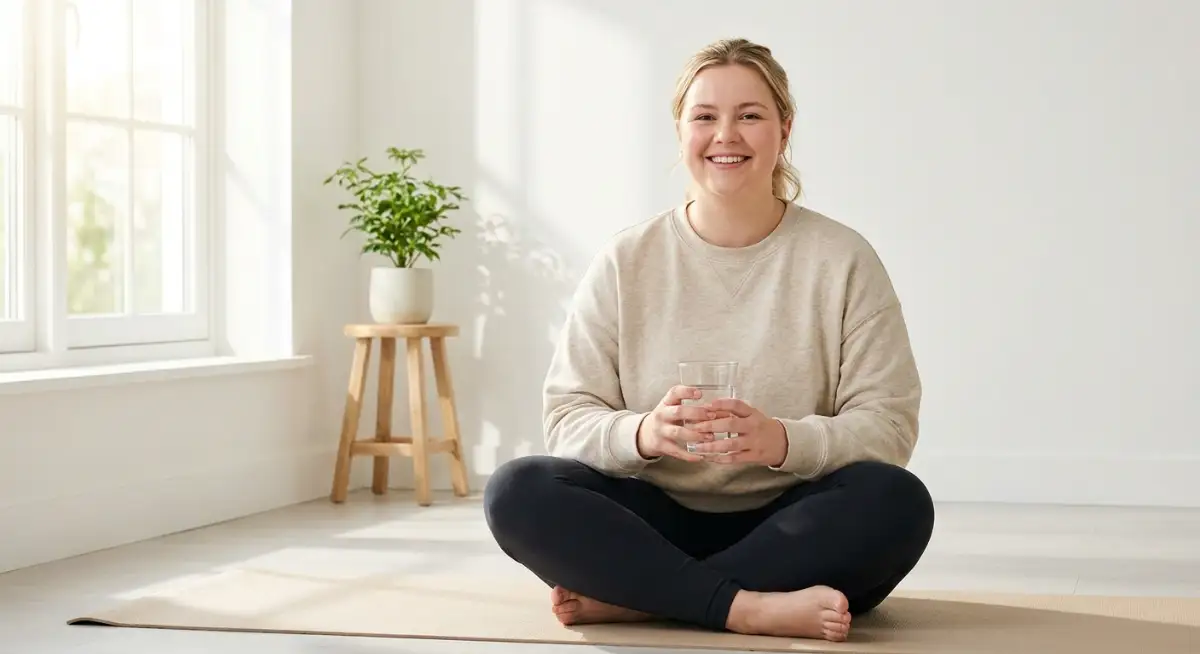
A Healthier Routine Is Built, Not Perfected
Building better health habits at home is an ongoing process.
There will be productive days and difficult days. Some habits will become natural quickly, while others may require repeated adjustments. The key is to create a lifestyle structure that remains useful even when circumstances change.
Focus on practical actions rather than unrealistic perfection.
Make healthy choices easier.
Keep your routine flexible.
Protect your sleep.
Include regular movement.
Support balanced nutrition.
Create healthier digital boundaries.
Make your home safer.
Pay attention to your mental well-being.
And most importantly, learn when professional healthcare guidance is appropriate.
A sustainable approach does not ask you to become a completely different person overnight. It helps you make better choices within the life you already have.
The strongest health habits are often the ones that are simple enough to repeat, flexible enough to adapt, and meaningful enough to keep.
A Simple Reminder to Carry Forward
You do not need to change everything today.
Choose one useful behavior.
Make it realistic.
Repeat it.
Learn from interruptions.
Adjust when necessary.
Then build from there.
Over time, these ordinary decisions can create a stronger foundation for everyday well-being.
Health Information Disclaimer
This article is intended for general educational and informational purposes only. It does not provide medical diagnosis, treatment, or individualized healthcare advice. Health needs can vary significantly from person to person, and information that is appropriate for one individual may not be appropriate for another.
If you have a medical condition, persistent or concerning symptoms, an injury, are taking medication, are pregnant, or have specific dietary, exercise, or other health-related concerns, consult a qualified healthcare professional for advice appropriate to your circumstances.
Do not delay professional medical care because of information presented in this article. In an urgent or emergency situation, seek appropriate emergency medical assistance.