Why Your Crypto Wallet Balance Doesn't Mean You're Actually Rich
Cryptocurrency has given a whole new group of investors the chance to open a wallet, check a balance, and instantly feel richer than ever. Seeing a portfolio worth thousands—or even millions—of dollars can be pretty exciting. Screenshots of huge gains also spread all over social media, making it look like a lot of people have gotten rich overnight through digital assets.
But there’s a big difference between having a high crypto wallet balance and actually being wealthy.
A big number on a screen doesn’t always mean financial security, real spending power, or long-term stability. A lot of investors only realize this after a market crash, a liquidity issue, or some unexpected financial emergency.
Knowing the difference between digital wealth and real wealth is important for every crypto investor. It can help you make smarter money decisions and avoid expensive mistakes.
The Illusion of Digital Wealth
Psychology plays a huge role in investing.
When people see their portfolio go up, they often feel richer even if they haven’t sold a single coin or token. That feeling is called the wallet effect .
For example, say you bought a cryptocurrency for $1,000 and its value later jumps to $20,000. You might start thinking you’re $20,000 richer.
Technically, your portfolio may show that amount, but here’s the real question:
Can you actually use that money right now?
That depends on a few things, like:
- Market liquidity
- Trading volume
- Tax implications
- Price volatility
- Your ability to sell without moving the price too much
Until those gains turn into money you can actually use, they’re mostly just numbers on a screen.
Unrealized Gains Are Not Cash
One of the biggest mistakes in crypto investing is treating unrealized profits like real money.
An unrealized gain just means your asset has gone up in value, but you haven’t sold it yet.
Here’s a simple example.
You buy a token for $5,000. Over time, its market value climbs to $50,000. Your wallet now shows a balance of $50,000.
But if the market suddenly drops by 70%, your portfolio could shrink to $15,000 in just a few days—or even hours.
That’s happened over and over again in crypto.
Until profits are moved into more stable assets or used for actual financial goals, they’re still exposed to market swings.
Crypto Markets Can Change Really Fast
Traditional investments usually move more slowly. Crypto is a different story.
Digital assets can shoot up fast and drop just as quickly.
An investor might wake up and see:
- A 20% jump in portfolio value.
- A sudden 40% drop.
- A major exchange announcement affecting prices.
- Unexpected regulatory news.
That kind of volatility means the wealth shown in your wallet can disappear way faster than most people expect.
A big balance today might not be there tomorrow.
That doesn’t mean crypto is bad or that investing in digital assets is wrong. It just means you need to understand the risks that come with such a volatile market.
Liquidity Matters More Than Most People Think
Another reason a crypto wallet balance can be misleading is liquidity.
Liquidity is basically how easily you can turn an asset into cash without messing up the price too much.
Let’s say you own a token worth $200,000 based on the latest market price.
If there aren’t many buyers, selling your whole position could push the price down. You might end up getting a lot less than what your wallet says it’s worth.
This is especially common with:
- Low-cap cryptocurrencies
- Newly launched tokens
- Thinly traded assets
- Speculative projects
A high balance in an illiquid asset doesn’t always give you the kind of financial freedom real wealth should.
Wealth Is More Than a Number on a Screen
Being financially wealthy usually means more than just having a big investment balance.
Financial Security
Can you handle emergencies?
Can you cover unexpected expenses without selling investments during a market dip?
Stable Income
Do you have reliable income outside of investment gains?
Diversification
Are all your finances tied up in one asset class?
Long-Term Sustainability
Can your money support your goals for years to come?
A crypto wallet alone can’t answer those questions.
Real wealth comes from a mix of assets, planning, and financial resilience.
The Psychological Trap of Paper Wealth
A lot of investors start making lifestyle choices based on unrealized profits.
Some people:
- Spend more.
- Take on extra debt.
- Quit their jobs too soon.
- Make bigger financial commitments.
That can get risky fast if the market suddenly turns.
History has shown that big price runs are often followed by corrections.
Building your life around temporary gains can create a lot of unnecessary financial stress.

Market Cycles Can Change Everything Overnight
Crypto markets usually move in cycles.
There are times of hype and fast growth, followed by fear and steep drops.
During bull markets, investors often feel confident and wealthy.
During bear markets, many realize their digital wealth wasn’t as solid as they thought.
Understanding market cycles helps investors stay realistic and avoid emotional decisions.
A portfolio’s value should always be looked at in the context of long-term financial planning.
Why Diversification Still Matters
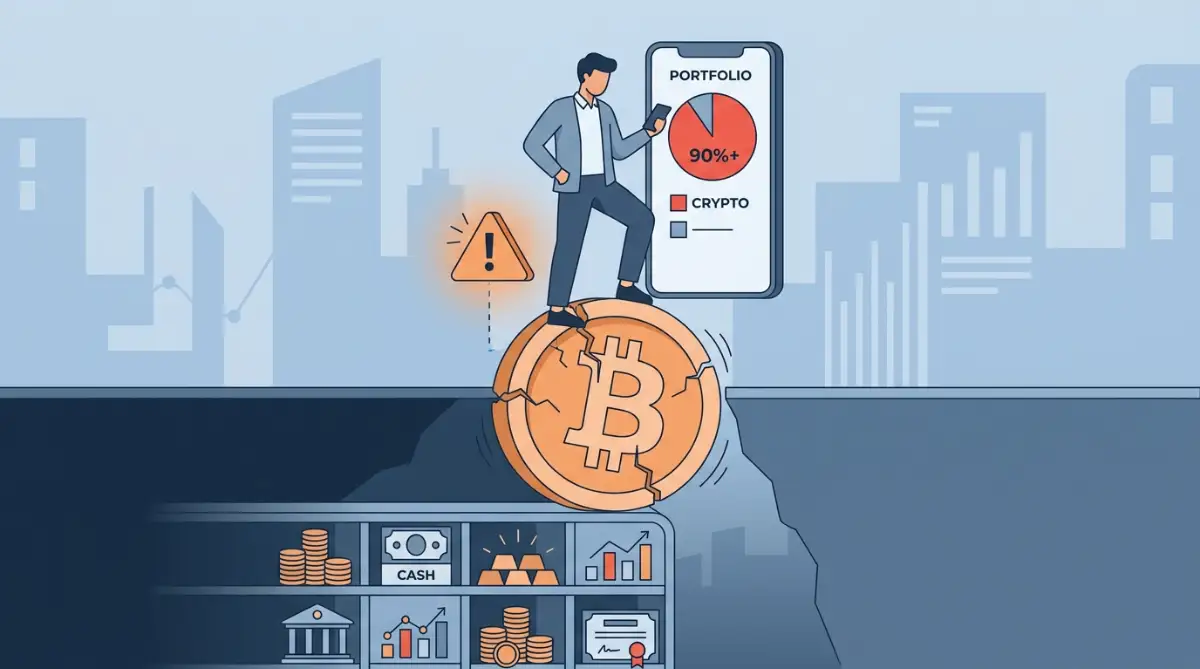
A lot of smart investors avoid putting everything into one investment.
Diversification doesn’t remove risk, but it can help reduce your dependence on one market.
A more balanced financial setup might include:
- Emergency savings
- Retirement investments
- Traditional assets
- Cash reserves
- Cryptocurrency exposure
When all your wealth sits inside one volatile market, it’s a lot harder to stay financially stable.
Diversification helps build a stronger base for long-term financial health.
Real Wealth Creates Freedom
The point of wealth isn’t just to see a big number in an investment account.
Real wealth gives you:
Peace of Mind
Financial security can lower stress during uncertain times.
Flexibility
True wealth gives you more options and choices.
Stability
A diversified financial life can handle market ups and downs better.
Long-Term Opportunities
Financial strength lets people go after meaningful goals and opportunities.
A large crypto balance might feel exciting, but real wealth is about a lot more than temporary market value.
Understanding Risk Is Essential
Every investment has risk, including crypto.
Responsible investors ask questions like:
- What happens if the market drops a lot?
- Do I have emergency savings?
- Am I relying too much on one investment?
- Can I handle long periods of volatility?
These questions lead to better decisions and healthier financial habits.
Understanding risk doesn’t mean avoiding crypto completely. It just means approaching digital assets with realistic expectations.
Common Signs That a Wallet Balance May Be Misleading
A few signs can show that portfolio numbers don’t really reflect financial strength.
Your Net Worth Depends on One Asset
Putting everything into crypto increases your exposure to market swings.
You Can’t Easily Access the Funds
Illiquid investments can be hard to turn into usable cash.
You Have No Emergency Savings
Financial emergencies get a lot more stressful when you have to sell investments at the wrong time.
You Base Spending on Unrealized Gains
Temporary profits can vanish quickly.
Spotting these warning signs can help investors make more balanced choices.
Building a Healthier Financial Mindset
Crypto has opened the door to exciting opportunities and new technology.
Still, successful investing takes discipline and perspective.
Keep these ideas in mind:
Separate Portfolio Value from Personal Wealth
Your investment account is only one part of your overall financial life.
Focus on Long-Term Goals
Investments should support your bigger financial plans.
Maintain Financial Flexibility
Savings and diversified assets can give you more stability.
Avoid Emotional Decisions
Fast market moves often trigger fear and excitement. Clear thinking usually leads to better results.
The Bigger Picture of Financial Success
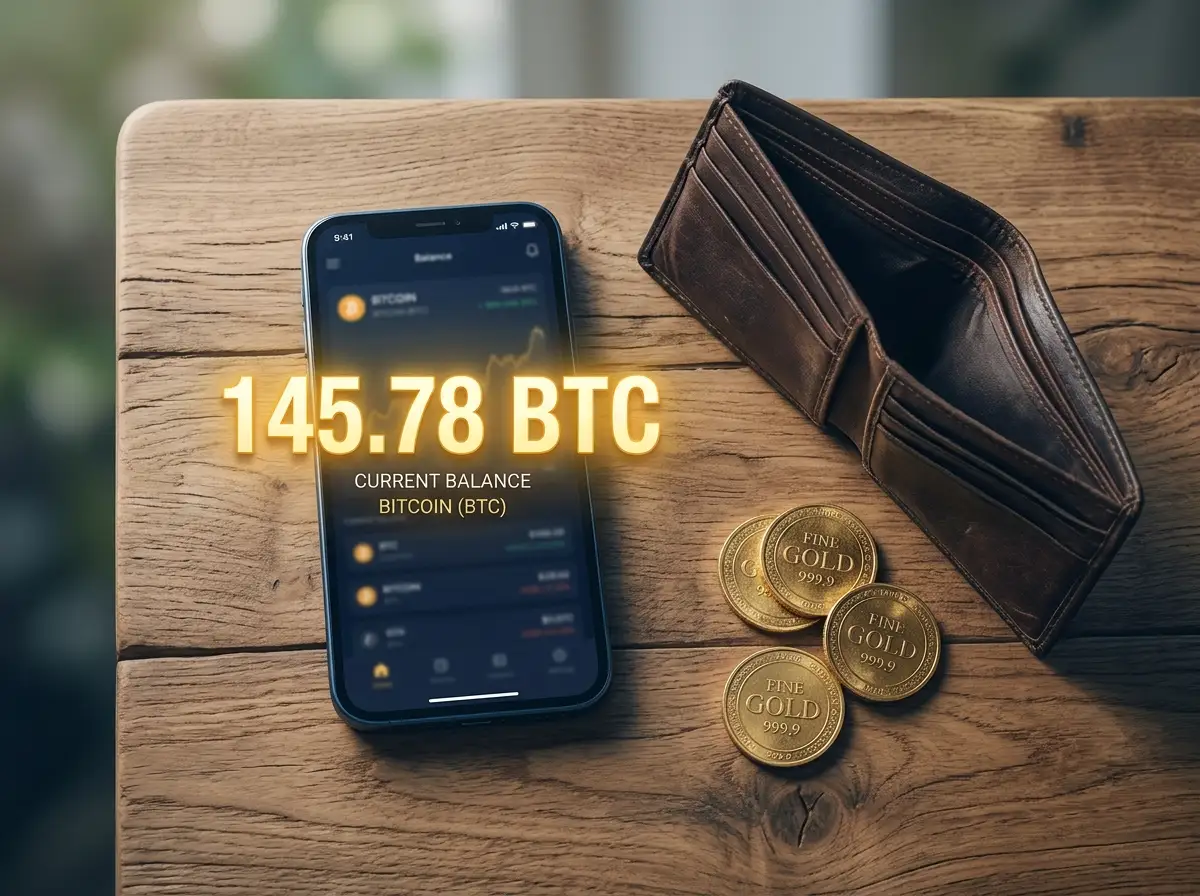
A crypto wallet with a huge balance can feel motivating, but a number on a screen isn’t the same as lasting financial security.
Real wealth is built through:
- Smart financial habits
- Risk management
- Diversification
- Long-term planning
- Financial education
Crypto can absolutely be part of a strong financial journey, but it shouldn’t be confused with guaranteed wealth.
Turning Digital Gains Into Real Financial Strength
Knowing that a big crypto wallet balance doesn’t automatically make you rich is really just the first step. The bigger challenge is figuring out how to turn those digital gains into real, lasting financial security.
A lot of investors spend years chasing bigger portfolio numbers without ever building a solid financial foundation. Others, even with smaller portfolios, end up in a much better spot because they focus on staying sustainable, managing risk, and planning for the long haul.
A lot of the difference comes down to what people do with their assets once they start growing.
Why Cash Flow Still Matters in a Digital Economy
One of the biggest myths in crypto investing is that a rising portfolio can replace regular income.
Sure, a growing wallet balance can look amazing. But if you still need to sell investments just to cover everyday expenses, your finances may be a lot more fragile than they seem.
Real financial stability usually includes:
- Reliable income sources
- Emergency savings
- Controlled expenses
- Long-term investment strategies
- Financial flexibility
Crypto can definitely be part of your financial picture, but it usually works best when it’s paired with solid personal finance habits.
The Difference Between Being Asset-Rich and Cash-Rich
Some investors own valuable assets but don’t have easy access to money when they need it.
That’s what people usually mean when they say someone is “asset-rich but cash-poor.”
For example, someone might have a crypto portfolio worth six figures but very little cash on hand for emergencies, medical bills, school costs, or household expenses.
That kind of imbalance can create a lot of stress, especially when the market drops.
Having liquid money available can make a huge difference when things get uncertain.
A lot of financial resilience comes from preparation, not just portfolio size.
Why Many Investors Overestimate Their Wealth
People naturally get more optimistic when their investments go up.
That optimism can lead to a few common habits:
Lifestyle Inflation
As portfolios grow, spending often grows too.
People may start upgrading their lifestyle, assuming the gains will keep coming forever.
Overconfidence
A few good trades can make investors feel like they’ve cracked the code.
That kind of confidence can sometimes lead to taking on way more risk than they should.
Ignoring Downside Risk
When markets are strong, it’s easy to stop thinking about what happens if prices fall hard.
But history shows that every market goes through rough patches and corrections.
Keeping expectations realistic can help investors avoid emotional decisions.
Building Financial Security Beyond Cryptocurrency
Digital assets can be valuable, but they should ideally support your bigger financial goals instead of becoming the whole plan.
A lot of financially successful people focus on a few key priorities:
Creating an Emergency Fund
Unexpected expenses can show up at any time.
Having emergency savings can keep you from having to sell investments when the market is down.
Managing Debt Responsibly
High-interest debt can slow down long-term financial progress.
Cutting back on unnecessary debt often gives you a lot more breathing room.
Investing With Purpose
Instead of chasing every new opportunity, successful investors usually tie their investments to specific goals.
That might include:
- Retirement planning
- Education funding
- Business opportunities
- Family financial security
- Long-term wealth creation
When investing has a purpose, decision-making usually gets a lot better.
The Importance of Taking a Long-Term View
Crypto markets can be pretty emotional.
Prices can swing wildly in short periods, which can lead to both excitement and panic.
Investors who focus only on daily price changes often end up stressed for no good reason.
Taking a longer-term view can help you build a healthier relationship with investing.
It can help to ask yourself:
- What are my financial goals?
- How much risk can I realistically handle?
- What role should cryptocurrency play in my overall financial plan?
Thinking through those questions can bring a lot more clarity and confidence.
Why Social Media Can Distort Financial Reality
Social media makes it way too easy to compare yourself to other people.
Posts about huge profits and flashy lifestyles can create unrealistic expectations.
But social media usually leaves out things like:
- Investment losses
- Financial mistakes
- Emotional stress
- Risk exposure
- Failed strategies
Comparing your own financial journey to carefully chosen online highlights can lead to bad decisions.
Everyone’s situation is different.
Long-term success usually comes from consistency and discipline, not short-term hype.
Learning to Separate Wealth From Market Prices
Markets are always changing.
Prices go up and down based on all kinds of factors, many of which are completely outside an individual investor’s control.
Because of that, it helps to separate your sense of financial security from the day-to-day value of your portfolio.
A temporary price jump shouldn’t automatically change your lifestyle, financial commitments, or long-term plans.
And on the flip side, a market drop shouldn’t always trigger panic.
Financial confidence usually comes from preparation, education, and patience.
Questions Every Crypto Investor Should Ask
As your portfolio grows, it’s a good idea to check in on your financial situation from time to time.
Ask yourself:
If my portfolio dropped a lot, would my daily life be affected?
Do I have enough savings for emergencies?
Am I making decisions based on facts or emotions?
Is my investment strategy actually aligned with my goals?
Have I become too dependent on one asset?
These questions can help you stay grounded and make smarter decisions.
Common Mistakes That Can Make Investors Feel Richer Than They Are
Even experienced investors can fall into these traps.
Treating Temporary Gains as Permanent Wealth
Markets can change fast.
Assuming today’s prices will last forever can lead to unrealistic expectations.
Ignoring Risk Management
Every investment comes with risk.
Having a plan for rough market conditions is just as important as planning for success.
Focusing Only on Portfolio Size
A big balance might get attention, but financial health is about a lot more than just numbers.
Chasing Constant Growth
Some investors get obsessed with making their portfolios bigger and bigger.
That mindset can create stress and push people into risky decisions.
Good investing usually comes down to balance and patience.
Practical Habits That Support Long-Term Financial Health
Building strong habits can make a big difference over time.
Keep Learning
Financial education is one of the best investments you can make.
Learning more about markets, risk, and personal finance can improve your decisions.
Review Your Goals Regularly
Financial goals change over time.
Checking in on your priorities can help make sure your strategy still makes sense.
Avoid Emotional Reactions
Excitement and fear are both powerful forces in investing.
A calmer, more thoughtful approach usually works better in the long run.
Protect Your Financial Flexibility
Keeping savings and avoiding unnecessary commitments can give you a lot more peace of mind.
Measuring Wealth in a More Meaningful Way
Instead of looking only at wallet balances, it can help to measure progress in other ways too:
- Less financial stress
- More savings
- Better money habits
- Stronger financial education
- Greater long-term stability
- More flexibility and choices
These things often give a much clearer picture of real financial well-being.
A Better Definition of Being Rich
A lot of people think wealth just means having a huge investment account.
But financial success can mean different things to different people.
For some, it means having enough savings to handle emergencies.
For others, it means supporting family, reaching financial independence, or having the freedom to pursue meaningful goals.
A large crypto balance might help with those goals, but it doesn’t automatically guarantee them.
Real wealth usually includes:
- Financial security
- Stability
- Flexibility
- Knowledge
- Responsible planning
Those are the things that tend to hold up even when markets get unpredictable.
Final Thoughts
Cryptocurrency has changed the way people think about money, investing, and financial opportunity. It has opened up new possibilities and introduced millions of people to digital assets.
But one important truth still applies:
Real financial strength comes from careful planning, disciplined habits, diversified thinking, and a long-term mindset.
The investors who do well over time are often not the ones with the biggest wallet balances. They’re the ones who understand risk, stay flexible, and build wealth that can handle changing market conditions.
If you look beyond the numbers on a screen, you can build a healthier relationship with investing and create a much stronger foundation for long-term financial success.
Disclaimer: This article is for educational and informational purposes only and shouldn’t be taken as financial, investment, or legal advice. Cryptocurrency investments involve risks, and readers should do their own research and think about their financial situation before making any investment decisions.