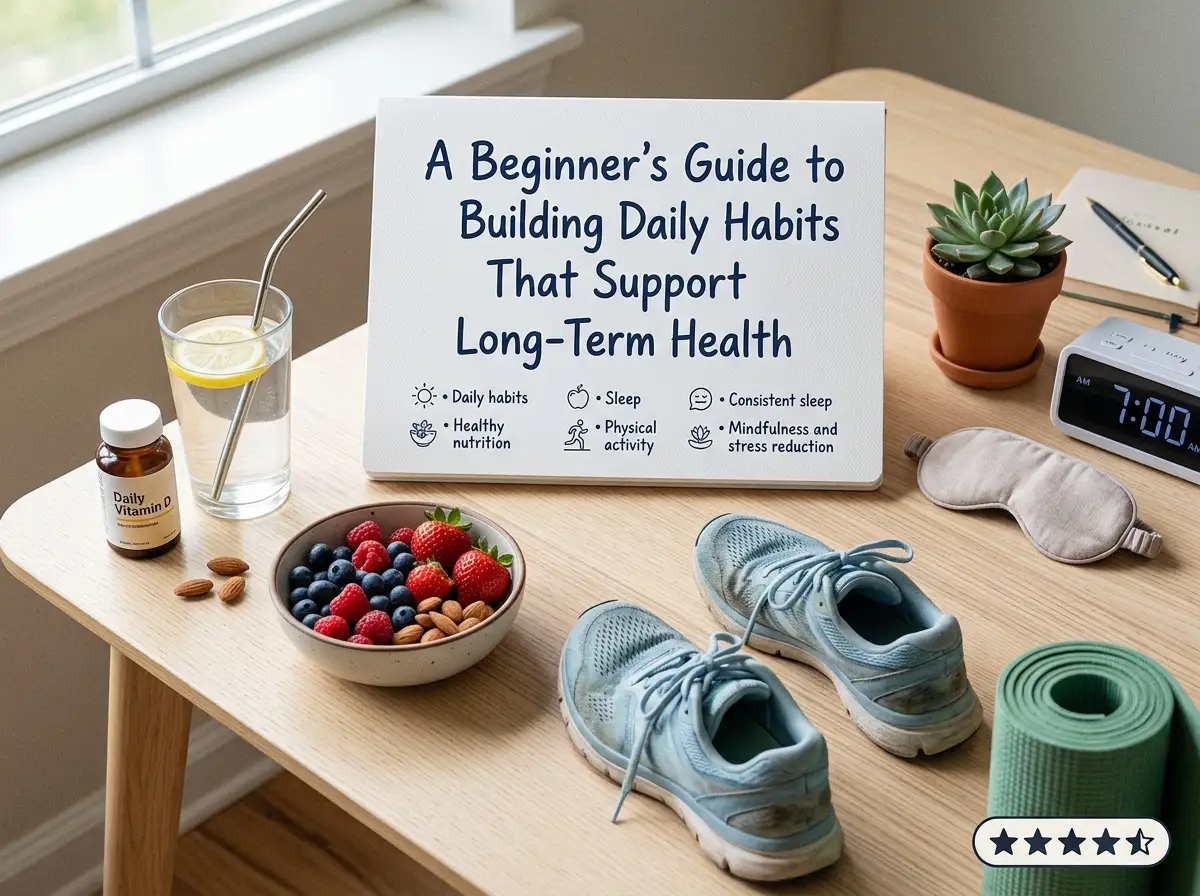
A Beginner's Guide to Building Daily Habits That Support Long-Term Health
Good health is rarely the result of one big decision. Instead, it is usually built through small actions that are repeated every day. Drinking enough water, moving your body, getting quality sleep, and eating nutritious foods may seem simple, but together these habits create a strong foundation for long-term health.
Many people believe that becoming healthier requires a complete lifestyle makeover. They think they need an intense exercise program, a strict diet, or expensive wellness products. The truth is much simpler. Lasting health often comes from small, consistent habits that fit naturally into everyday life.
If you are just starting your wellness journey, this beginner's guide will help you understand how daily habits influence your physical and mental well-being and how you can build routines that support a healthier future.
Wham airily Habits Matter More Than Motivation
Motivation comes and goes. Some days you feel inspired to exercise, eat healthy meals, and stay productive. On other days, you may feel tired, stressed, or distracted.
Habits are different. They help you take action even when motivation is low.
A healthy habit becomes part of your routine over time. You no longer have to think about whether you should drink water or take a walk because it becomes something you naturally do.
Research in behavioral science suggests that repeated actions strengthen neural pathways in the brain. This means that every healthy choice you repeat becomes easier over time.
Small habits may seem insignificant, but their long-term impact can be powerful.
The Hidden Cost of Unhealthy Daily Routines
Many modern lifestyles encourage habits that slowly affect health over time.
These habits may include:
•Sitting for long hours
•Sleeping too little
•Eating highly processed foods
•Spending too much time on screens
•Ignoring stress and mental health
•Drinking insufficient water
These behaviors do not always create immediate problems. However, over time they can contribute to fatigue, weight gain, poor concentration, and increased health risks.
The good news is that even small positive changes can make a meaningful difference.
Start With One Habit Instead of Changing Everything
One of the biggest mistakes beginners make is trying to improve every aspect of life at once.
For example, someone might decide to:
•Completely change their diet
•Wake up earlier
•Stop eating sugar
•Meditate every morning
While these goals sound impressive, trying to do everything at the same time often leads to burnout.
Instead, focus on one small habit.
Examples include:
•Drinking one extra glass of water each day
•Walking for ten minutes after dinner
•Going to bed thirty minutes earlier
•Eating one serving of vegetables with lunch
Small wins build confidence and create momentum.
Build a Morning Routine That Supports Wellness
Your morning habits can influence the rest of your day.
A healthy morning routine does not need to be complicated. Even a few positive actions can improve energy and focus.
Drink Water After Waking Up
After several hours of sleep, your body needs hydration. Drinking water in the morning can help you feel refreshed and ready for the day.
Get Natural Light
Sunlight helps regulate your body's internal clock and may support better sleep and mood.
Move Your Body
Gentle stretching or a short walk can improve circulation and help you feel more energized.
Avoid Immediately Checking Your Phone
Starting your day with notifications and social media can increase stress and reduce focus. Consider spending the first few minutes of your morning on yourself instead.
Create Eating Habits That Support Long-Term Health
Healthy eating is not about perfection. It is about making balanced choices consistently.
Eat More Whole Foods
Whole foods often contain important nutrients that support overall health.
Examples include:
•Fruits
•Vegetables
•Whole grains
•Nuts and seeds
•Beans and legumes
•Lean proteins
Practice Portion Awareness
Eating slowly and paying attention to hunger signals can help you make healthier choices.
Avoid Skipping Meals Regularly
Skipping meals may lead to low energy and overeating later in the day.
Keep Healthy Snacks Available
Having nutritious options nearby can reduce the temptation to rely on highly processed foods.

Make Physical Activity a Daily Habit
Exercise does not have to mean spending hours in the gym.
Regular movement can improve:
•Heart health
•Muscle strength
•Energy levels
•Mental well-being
•Sleep quality
For beginners, simple activities can be highly effective.
Easy Ways to Move More
•Take short walks.
•Use the stairs when possible.
•Stretch during work breaks.
•Do simple home exercises.
•Dance to your favorite music.
Consistency is more important than intensity.
The Importance of Quality Sleep
Sleep is one of the most powerful tools for long-term health, yet it is often overlooked.
During sleep, the body repairs itself, supports immune function, and processes information from the day.
Poor sleep may affect:
•Mood
•Concentration
•Energy levels
•Appetite regulation
•Overall well-being
Healthy Sleep Habits for Beginners
•Maintain a regular bedtime.
•Reduce screen time before sleeping.
•Create a calm sleeping environment.
•Limit caffeine late in the day.
•Keep your bedroom comfortable and quiet.
Improving sleep habits can positively influence many other areas of health.
Take Care of Your Mental and Emotional Well-Being
Health is not only physical. Mental and emotional wellness also play an important role in overall quality of life.
Stress is a normal part of life, but chronic stress can affect both mind and body.
Simple Daily Habits for Better Mental Health
Practice Gratitude
Writing down a few things you appreciate each day can help shift your focus toward positive experiences.
Spend Time in Nature
Fresh air and natural environments can promote relaxation and reduce stress.
Connect With Other People
Healthy relationships and social support are important for emotional well-being.
Take Breaks During Busy Days
Short breaks can improve concentration and reduce feelings of overwhelm.
Stay Hydrated Throughout the Day
Water supports many essential functions in the body, including:
•Temperature regulation
•Digestion
•Energy production
•Joint health
•Cognitive performance
Many people do not drink enough water during the day.
Simple ways to improve hydration include:
•Carrying a reusable water bottle
•Drinking water with meals
•Setting reminders
•Choosing water instead of sugary drinks more often
Hydration is a small habit that can have significant long-term benefits.
Learn the Power of Habit Stacking
Habit stacking means attaching a new habit to an existing routine.
For example:
•Drink water after brushing your teeth.
•Stretch after making coffee.
•Take a short walk after Progress
Write in a journal before bedtime.
This technique makes it easier to remember new habits and turn them into part of daily life.
Be Patient With Your Progress
Healthy habits take time to develop.
There will be days when you miss a workout, eat unhealthy food, or forget your routine. This does not mean you have failed.
Progress is not about being perfect.
The goal is to return to your healthy habits as soon as possible and continue moving forward.
Small actions repeated consistently often create bigger changes than short periods of extreme effort.
Signs That Your Healthy Habits Are Working
Positive changes may happen gradually.
You might notice:
•More energy throughout the day
•Better sleep quality
•Improved mood
•Increased focus
•Better stress management
•Greater confidence in your routines
Even if changes seem small at first, they often become more noticeable over time.
A Simple Beginner Plan for Building Healthy Habits
Week One
Focus on drinking more water.
Week Two
Add a ten-minute walk to your day.
Week Three
Improve your bedtime routine.
Week Four
Include more fruits and vegetables in your meals.
By introducing one habit at a time, you create a sustainable path toward better health.
Why Consistency Beats Perfection
One of the biggest reasons people give up on healthy habits is the belief that they must do everything perfectly.
You may miss a workout, eat an unhealthy meal, or skip your morning routine. Many people view these moments as failure and stop trying altogether. In reality, healthy living is not about perfection. It is about consistency.
A person who exercises for twenty minutes four times a week over several months often experiences greater benefits than someone who exercises intensely for one week and then quits.
Long-term health comes from repeating positive behaviors again and again, even when progress feels slow.
The goal is not to have a perfect day. The goal is to have more healthy days than unhealthy ones.
How Long Does It Take to Build a Healthy Habit?
There is no exact timeline for creating a new habit. Some habits become automatic quickly, while others require more time and practice.
Several factors influence habit formation:
- The complexity of the habit
- Your daily schedule
- Your environment
- Your motivation and goals
- How often you repeat the behavior
The key is to focus on repetition rather than speed. A healthy habit becomes stronger every time you practice it.
Instead of asking, "How quickly can I build this habit?" ask yourself, "How can I make this habit easier to repeat?"
Make Healthy Habits Easy to Follow
Many people fail because they create routines that are too difficult to maintain.
For example:
- Exercising for two hours every day may be unrealistic for beginners.
- Following an extremely restrictive diet can feel overwhelming.
- Waking up three hours earlier overnight may not be sustainable.
A better approach is to make healthy habits simple.
Easy Habit Examples
- Walk for ten minutes.
- Drink one extra glass of water.
- Eat one piece of fruit each day.
- Stretch for five minutes.
- Read for ten minutes before bed.
Small habits are easier to maintain, and small habits often grow into larger routines naturally.
Design an Environment That Supports Good Habits
Your environment influences your choices more than you may realize.
If healthy foods are visible, you are more likely to eat them.
If your workout clothes are prepared the night before, you are more likely to exercise.
If your phone stays beside your bed, you may spend too much time scrolling instead of sleeping.
Creating an environment that supports your goals can make healthy habits easier.
Helpful Environmental Changes
- Keep a water bottle on your desk.
- Store fruits where they are easy to see.
- Remove unnecessary distractions from your workspace.
- Prepare healthy snacks in advance.
- Create a comfortable sleeping environment.
Small changes in your surroundings can encourage better daily decisions.
Build Habits That Improve Mental Health
Long-term health is about more than physical fitness. Mental well-being deserves equal attention.
Chronic stress can affect sleep, energy, focus, and overall quality of life.
Adding a few simple habits to your daily routine can support emotional wellness.
Practice Deep Breathing
Deep breathing exercises may help your body relax and improve focus.
Spend Less Time Comparing Yourself to Others
Social media often shows only the highlights of people's lives. Comparing your progress to others can increase stress and reduce motivation.
Schedule Quiet Time
Even ten minutes of quiet reflection can help reduce mental fatigue.
Engage in Activities You Enjoy
Reading, gardening, drawing, or listening to music can support emotional balance and improve your mood.
Healthy Habits for Better Brain Function
Your brain benefits from healthy routines just as much as the rest of your body.
Simple habits that may support cognitive health include:
Prioritize Sleep
Sleep helps the brain process information and maintain concentration.
Stay Physically Active
Regular movement supports healthy circulation and may improve mental clarity.
Continue Learning
Reading books, learning new skills, or solving puzzles keeps the mind engaged.
Eat Nutrient-Rich Foods
Balanced nutrition supports both physical and cognitive wellness.
Stay Socially Connected
Meaningful conversations and relationships can contribute to emotional and mental well-being.
The Role of Stress Management in Long-Term Health
Stress cannot always be avoided, but it can be managed.
Uncontrolled stress may contribute to:
- Sleep problems
- Fatigue
- Difficulty concentrating
- Changes in eating habits
- Reduced productivity
Healthy stress-management habits can improve overall wellness.
Simple Ways to Manage Stress
- Take short walks.
- Practice mindfulness.
- Write in a journal.
- Spend time with loved ones.
- Set realistic expectations.
Managing stress is not about eliminating challenges. It is about building healthy responses to those challenges.
How to Stay Motivated When Progress Feels Slow
Healthy changes often happen gradually.
Many benefits of healthy habits are invisible at first. You may not notice improvements immediately, but your efforts are still valuable.
When motivation decreases:
Focus on Small Wins
Celebrate simple achievements such as:
- Drinking more water
- Completing a walk
- Going to bed earlier
- Eating a balanced meal
Remember Your Reasons
Think about why you wanted better health in the first place.
Perhaps you want:
- More energy
- Better quality of life
- Improved fitness
- Reduced stress
- Greater confidence
Your reasons can help keep you moving forward.
Common Mistakes Beginners Should Avoid
Trying to Change Everything at Once
Big changes can become overwhelming.
Expecting Immediate Results
Healthy habits take time to produce noticeable benefits.
Ignoring Sleep and Recovery
Rest is an essential part of a healthy lifestyle.
Following Unrealistic Routines
Choose habits that fit your current lifestyle.
Giving Up After One Bad Day
One missed day does not erase your progress.
Consistency over time matters most.
Daily Habits That Support Healthy Aging
Healthy routines can benefit people of all ages.
Stay Active
Regular movement supports strength, balance, and mobility.
Eat a Balanced Diet
Nutritious foods help the body function effectively.
Protect Your Mental Health
Stress management and social connections remain important throughout life.
Continue Learning New Things
Keeping the mind active supports lifelong well-being.
Prioritize Preventive Care
Paying attention to your health and maintaining healthy routines can contribute to a better quality of life over time.
A Simple Long-Term Health Checklist
Consider these habits as part of your everyday routine:
✓ Drink enough water.
✓ Eat fruits and vegetables regularly.
✓ Move your body every day.
✓ Get quality sleep.
✓ Manage stress in healthy ways.
✓ Spend time with supportive people.
✓ Limit excessive screen time.
✓ Make time for activities you enjoy.
✓ Practice gratitude.
✓ Stay consistent with your routines.
You do not need to master all of these habits immediately. Progress happens one step at a time.
Frequently Asked Questions
What is the most important daily habit for better health?
There is no single habit that works for everyone. However, getting enough sleep, staying active, eating nutritious foods, and managing stress all play important roles in overall health.
Can small habits really improve long-term health?
Yes. Small habits repeated consistently can create meaningful changes over time. Many long-lasting lifestyle improvements begin with simple daily actions.
How many healthy habits should I start with?
Beginners often succeed by focusing on one or two habits at a time. Building too many habits at once may feel overwhelming.
What should I do if I lose motivation?
Return to your routine with small steps. Even a short walk or one healthy meal can help rebuild momentum.
Why do healthy habits sometimes feel difficult?
New behaviors require effort and repetition. As healthy actions become part of your routine, they often become easier to maintain.
Final Thoughts
Building daily habits that support long-term health does not require dramatic changes or complicated routines. The most effective habits are often simple, practical, and easy to repeat.
A healthier life is created through everyday decisions:
- Choosing water instead of sugary drinks.
- Going to bed on time.
- Taking a short walk.
- Eating more nutritious foods.
- Making time for rest and relationships.
Each small action is a step toward a healthier future.
Start where you are, use what you have, and focus on progress rather than perfection. Over time, these simple daily habits can help you build a stronger body, a healthier mind, and a better quality of life that lasts for years to come.

Disclaimer
The information provided in this article is intended for educational and informational purposes only and should not be considered medical advice, diagnosis, or treatment. While every effort has been made to provide accurate and up-to-date information, health recommendations may vary from person to person.
Always consult a qualified healthcare professional or licensed medical provider before making significant changes to your diet, exercise routine, lifestyle, or healthcare decisions, especially if you have an existing medical condition, are pregnant, breastfeeding, or are taking medications.
The content on this website is not intended to replace professional medical advice, and reliance on any information provided in this article is solely at your own discretion.