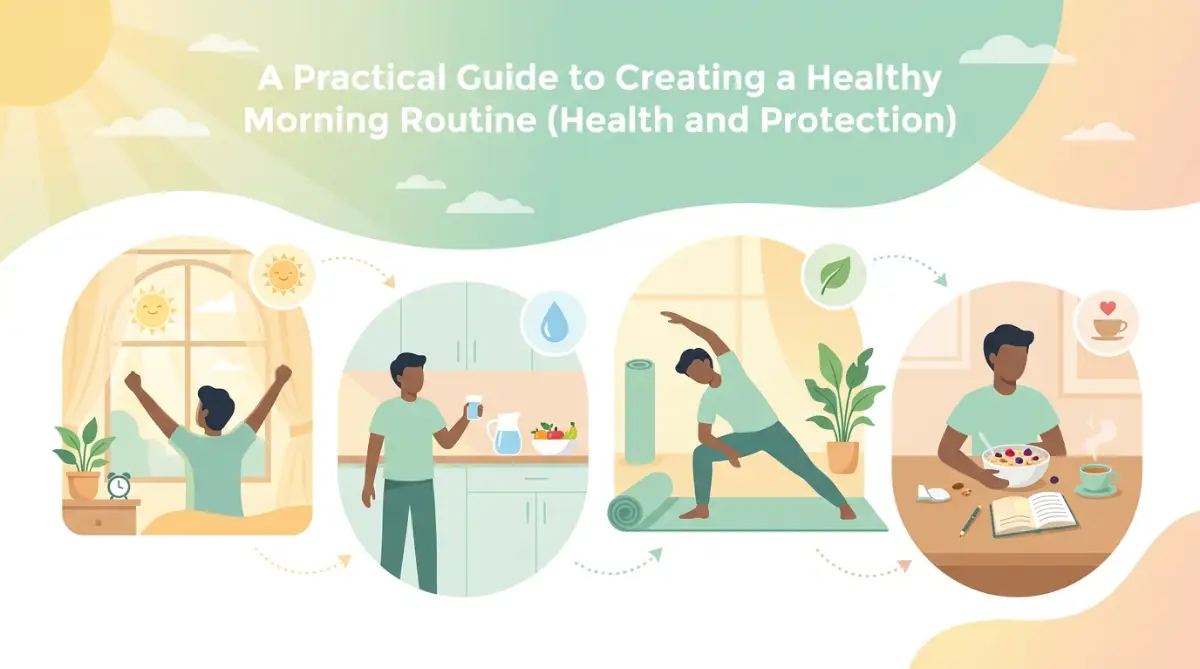
A Practical Guide to Creating a Healthy Morning Routine
A healthy morning routine is more than a list of tasks you complete before leaving home. It is a foundation that influences your physical health, mental clarity, emotional balance, and productivity throughout the rest of the day. While every person has different responsibilities and schedules, the first hour after waking often sets the tone for everything that follows.
Many people begin their mornings by checking social media, rushing through breakfast, or skipping healthy habits altogether. Over time, these small decisions can contribute to stress, fatigue, poor concentration, unhealthy eating patterns, and reduced motivation. On the other hand, a thoughtfully designed morning routine helps your body wake up naturally while preparing your mind for challenges ahead.
The good news is that building a healthy morning routine does not require expensive equipment, complicated programs, or waking up before sunrise. Small, consistent actions performed every day often create the greatest long-term benefits.
In this guide, you'll discover practical, realistic strategies that help you build a sustainable morning routine that supports better health and protects your overall well-being.
Why Your Morning Routine Matters More Than You Think
Healthy morning habits reinforce this natural rhythm by helping your body recognize when it's time to become alert and active. When your mornings are consistent, many aspects of your health may improve, including:
- Better energy throughout the day
- Improved concentration
- More stable mood
- Healthier eating habits
- Better digestion
- Reduced stress
- Higher productivity
- Improved sleep quality at night
Rather than relying on motivation alone, a routine creates structure that makes healthy decisions easier.
Common Morning Habits That Quietly Affect Your Health
Many daily routines include behaviors that seem harmless but gradually impact physical and mental wellness.
Checking Your Phone Immediately
Scrolling through notifications immediately after waking exposes your brain to information overload before it has fully awakened. This can increase stress and reduce focus before your day even begins.
Skipping Breakfast Without a Plan
Some people intentionally delay eating for medical or dietary reasons, but unintentionally skipping breakfast because of poor planning often leads to excessive hunger later in the day.
Staying Dehydrated
After several hours of sleep, your body naturally loses water through breathing and perspiration. Beginning the day without drinking fluids may contribute to tiredness and headaches in some individuals.
Constantly Rushing
A rushed morning often creates unnecessary stress that can carry into work, school, or family responsibilities.
Start the Day by Waking Up at a Consistent Time
Consistency matters more than perfection.
Instead of waking at dramatically different times every day, aim to wake within a similar window whenever possible.
Regular wake-up times help regulate:
- Hormone release
- Energy production
- Sleep quality
- Appetite
- Mental alertness
Even on weekends, avoiding large changes in your sleep schedule may help maintain your body's natural rhythm.
Give Your Body Time to Wake Up Naturally
Instead of jumping out of bed immediately or repeatedly hitting the snooze button, spend a minute becoming fully awake.
Take several slow breaths.
Stretch gently.
Allow your muscles to loosen.
This gradual transition can help reduce grogginess and prepare your body for movement.
Rehydrate Before Anything Else
Water is one of the simplest ways to support your body after waking.
Drinking a glass of water soon after getting up helps replace fluids lost overnight.
Some people enjoy plain water, while others prefer water with lemon for flavor. Although lemon water can be refreshing, plain water provides the same hydration benefits.
Keep a reusable water bottle nearby if remembering to drink water is difficult.
Open the Curtains and Let Natural Light In
Morning sunlight plays an important role in regulating your internal body clock.
Exposure to natural light shortly after waking may help:
- Increase alertness
- Support healthy sleep cycles
- Improve mood
- Encourage daytime energy
If outdoor light is available, spending a few minutes outside can provide additional benefits.
Move Your Body Before Sitting for Hours
Morning exercise doesn't have to mean an intense workout.
Gentle movement is often enough to wake the muscles and improve circulation.
Examples include:
- Walking
- Light stretching
- Yoga
- Bodyweight exercises
- Mobility movements
Even ten to fifteen minutes of activity can make a meaningful difference in how energized you feel.
People with medical conditions should choose activities appropriate for their health and consult a healthcare professional when needed.
Choose a Balanced Breakfast When Possible
A nutritious breakfast provides important nutrients and may help maintain steady energy levels during the morning.
A balanced meal often includes:
Protein
Protein supports muscle maintenance and helps increase feelings of fullness.
Examples include:
- Eggs
- Greek yogurt
- Cottage cheese
- Beans
- Tofu
Fiber
Fiber supports digestive health and promotes satiety.
Good sources include:
- Oatmeal
- Whole grains
- Fruits
- Vegetables
- Seeds
Healthy Fats
Healthy fats contribute to overall nutrition.
Examples include:
- Nuts
- Seeds
- Avocado
- Nut butter
Highly processed sugary breakfasts may cause rapid changes in blood sugar that leave some people feeling hungry again shortly afterward.

Practice Mindful Breathing Before Starting Work
Many people begin working immediately after waking, leaving little time for mental preparation.
Just a few minutes of mindful breathing can help you become more aware of the present moment.
Simple breathing exercises may help reduce feelings of stress while improving focus for the tasks ahead.
You don't need special equipment or lengthy meditation sessions to experience benefits.
Avoid Making Every Morning Complicated
One common mistake is trying to introduce too many habits at once.
Instead of attempting ten new routines immediately, begin with just two or three.
For example:
- Wake up consistently.
- Drink water.
- Stretch for five minutes.
Once those habits become automatic, gradually add new ones.
Small improvements are much easier to maintain over time than dramatic lifestyle changes.
Make Your Morning Routine Sustainable for the Long Term
The best morning routine isn’t the one that looks perfect on paper—it’s the one you can actually stick with day after day. Consistency is what really makes the difference, because good habits start to feel automatic over time. Instead of trying to be perfect, aim for something that actually fits your life, your responsibilities, and your energy.
Life doesn’t really run on a schedule. Work gets busy, kids need you, travel happens, and things just come up. A flexible routine will always work better than one that only works when everything goes perfectly.
For example, if your usual morning workout is 30 minutes but you only have 10, just do a quick stretch or take a short walk instead of skipping it completely. Even small actions help you stay on track.
Organize Your Environment the Night Before
A lot of good mornings actually start the night before.
Getting a few simple things ready ahead of time makes your morning way easier and helps you avoid unnecessary stress or decision-making when you’re half awake.
You can prep things like:
- Your outfit for the next day
- A reusable water bottle
- Breakfast ingredients
- Your work bag or school stuff
- A quick to-do list
- Workout clothes if you plan to move
When your space is already set up for success, your morning feels a lot smoother and less rushed.
Protect Your Mental Health Before the Day Gets Busy
A healthy morning isn’t just about your body—it’s also about your mind and mood.
Instead of jumping straight into emails, news, or stressful tasks, try giving yourself a few quiet minutes first.
Some simple ideas:
Gratitude Reflection
Think of three things you’re grateful for, even small ones.
It’s a simple way to start your day on a more positive note instead of immediately focusing on stress.
Positive Intentions
Don’t overcomplicate it—just pick one intention for the day.
For example:
- Be patient in conversations
- Drink more water
- Finish one important task
- Take short breaks to move around
Simple goals are usually easier to stick with than long lists.
Fuel Your Brain Along With Your Body
Your energy and focus depend on more than just sleep.
A good morning routine can help you feel more alert by combining a few basic habits:
- Drinking water
- Eating something nutritious
- Getting some natural light
- Moving your body a bit
- Avoiding too much screen time right away
These all work together to help you feel awake and focused—without relying only on caffeine.
Coffee is totally fine for many people, but it works best when it supports healthy habits, not replaces them.
Build Healthy Habits One Step at a Time
One of the biggest mistakes people make is trying to change everything at once.
It’s usually much easier (and more realistic) to build habits slowly over time.
Here’s a simple example:
Week One
Just focus on waking up at a consistent time.
Week Two
Add a glass of water when you wake up.
Week Three
Add 5–10 minutes of stretching or walking.
Week Four
Improve your breakfast a bit.
Week Five
Add a few minutes of quiet reflection or breathing.
Each step builds on the last one, making the routine easier to maintain.
Recognize When Your Routine Needs Adjustment
Your life changes, so your routine should too.
What worked before might not fit your current schedule or energy levels—and that’s completely normal.
It helps to check in with yourself sometimes:
- Do I feel rested when I wake up?
- Am I always rushing in the morning?
- Do I have enough energy?
- Am I eating well?
- Does my routine feel helpful or stressful?
Small tweaks can make a big difference.
Common Mistakes That Can Slow Your Progress
Even with good intentions, it’s easy to fall into habits that make mornings harder than they need to be.
Expecting Immediate Results
Most benefits take time. You might feel small improvements quickly, but real change comes from consistency.
Comparing Your Routine With Others
Social media often shows “perfect” routines that aren’t realistic for most people.
Your routine should work for you, not someone else.
Ignoring Sleep Quality
A good morning starts the night before. If your sleep is poor, your morning will feel harder no matter what you do.
Skipping Recovery
If you’re active, rest matters just as much as movement. Your body needs time to recover.
Being Too Strict
Missing a day doesn’t ruin your progress. Just pick it back up the next day.
Simple Morning Routine Examples for Different Lifestyles
For Busy Professionals
- Wake up at a consistent time
- Drink water
- Do a quick stretch
- Eat breakfast
- Check your top priorities
- Give yourself enough time to commute without stress
For Students
- Try not to hit snooze repeatedly
- Open the curtains for light
- Eat something healthy
- Quickly review class notes
- Bring water with you
For Parents
Mornings with kids are rarely predictable, so keep it simple:
- Wake up a bit earlier if you can
- Prep things the night before
- Have breakfast together if possible
- Stay flexible when things don’t go as planned
For Older Adults
Gentle movement can be really helpful:
- Walking
- Light stretching
- Simple mobility exercises
Choose what feels comfortable for your body.
Measuring Progress Without Becoming Obsessed
Healthy habits aren’t about being perfect every day.
Instead of focusing only on numbers or strict goals, notice things like:
- Better mood
- More focus
- Steadier energy
- Less morning stress
- Better sleep
- More consistent habits
- Feeling more in control of your routine
These are often the real signs of progress.
When to Seek Professional Advice
Healthy habits can support your well-being, but they’re not a replacement for medical care.
They can help you figure out what’s really going on and what support you might need.

Building a Morning Routine That Supports Lifelong Wellness
A good morning routine isn’t about being strict or perfect—it’s about creating a simple rhythm that helps you feel better and start your day on the right foot.
The best routines are made up of small, realistic habits like drinking water, getting some light, moving your body, eating well, and taking a moment to plan your day.
Big changes don’t happen overnight. They come from small things you do consistently. Even tiny improvements, when repeated over time, can boost your energy, focus, mood, and overall well-being.
Start small, stick with it, and build from there. Your morning routine is really just a way of taking care of yourself—one easy step at a time.
Disclaimer
This article is intended for educational and informational purposes only and should not be considered medical advice, diagnosis, or treatment. Individual health needs vary. If you have a chronic medical condition, are pregnant, are taking prescription medications, or experience persistent or concerning symptoms, consult a qualified healthcare professional before making significant changes to your diet, exercise routine, sleep habits, or overall lifestyle.