Surprising Health Benefits of Spending More Time Outdoors
These days, most of us end up staying indoors way more than we realize. Work, school, entertainment, shopping—almost everything can be done without stepping outside. While that’s super convenient, it also means we’re spending less time in natural environments.
The truth is, our bodies aren’t really built to stay indoors all day. Fresh air, sunlight, green spaces, and just being around nature all play a big role in how we feel physically and mentally. Even a little bit of outdoor time each day can make a noticeable difference.
A lot of people think being outdoors only means working out or going on trips. But honestly, it can be as simple as sitting in a park, taking a short walk, gardening, or just relaxing outside for a bit.
In this guide, you’ll see why spending more time outdoors is one of the easiest habits you can add to your routine for better overall health.
Why Modern Lifestyles Keep Us Indoors
Before getting into the benefits, it’s worth looking at why we’re indoors so much in the first place.
Most daily routines now happen inside:
- Office jobs
- Online meetings
- TV and streaming
- Video games
- Social media
- Indoor malls
- Home entertainment
Even getting around often involves less walking than in the past.
So without even noticing, we end up missing out on fresh air, sunlight, and natural movement.
The Powerful Connection Between Nature and Human Health
Scientists are still learning just how much nature affects our health, but the results so far are pretty clear.
Spending time in green spaces may help with:
- Better mood
- Less stress
- Improved focus
- Healthier sleep
- More physical activity
- Better heart health
And the cool part is, these benefits often overlap.
For example, a simple park visit can get you walking, expose you to sunlight, calm your mind, and lift your mood all at once.
Fresh Air Helps Your Body Feel More Energized
Indoor air isn’t always as fresh as we think.
Dust, allergens, and poor ventilation can sometimes make us feel sluggish.
Going outside gives your body a break from that and lets you breathe in more natural air.
Fresh air can help you feel:
- More awake
- Less mentally drained
- More refreshed
- Better focused
Of course, air quality depends on where you are, but parks, gardens, and green areas usually feel especially refreshing.
Natural Sunlight Supports Important Body Functions
Sunlight does a lot more than just brighten your day.
A bit of safe sun exposure helps your body produce vitamin D, which is important for several key functions.
Vitamin D supports:
- Bone strength
- Muscle health
- Immune system
- Overall wellness
Sunlight also helps regulate your internal body clock (your circadian rhythm), which affects:
- Sleep quality
- Energy during the day
- Daily alertness
Just remember to be mindful of strong sun and protect your skin when needed.
Spending Time Outdoors Can Improve Your Mood
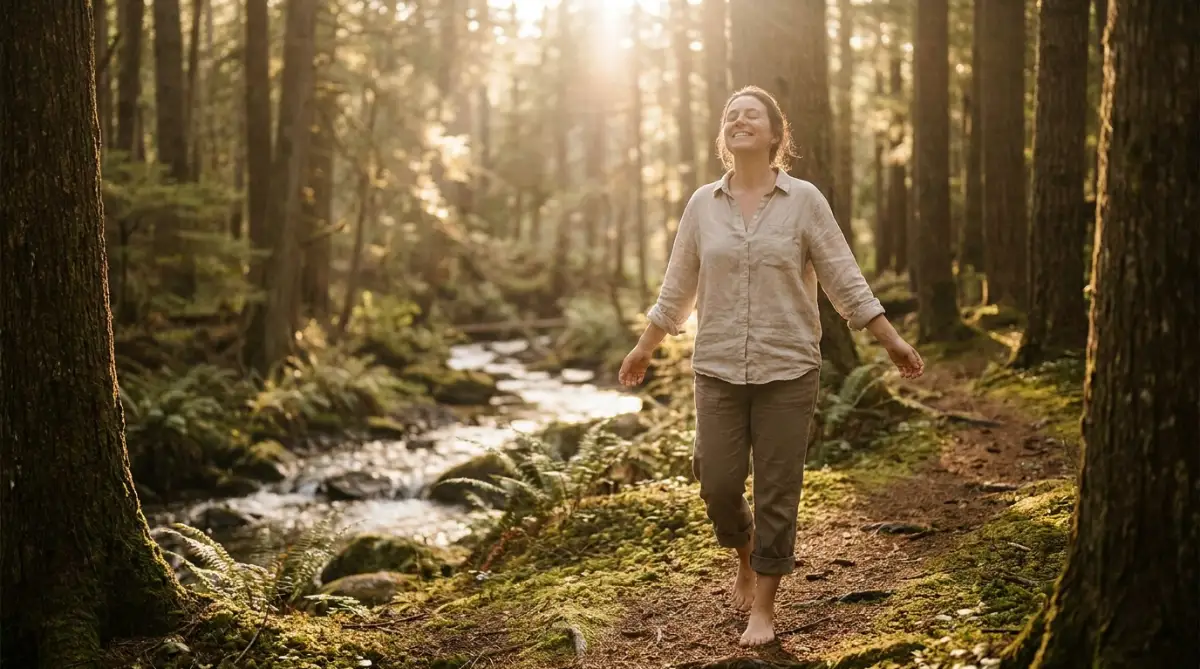
One of the quickest things people notice outdoors is a better mood.
Nature has a calming effect that helps you step away from daily stress, even if just for a little while.
People often feel:
- More relaxed
- Less stressed
- More positive
- Mentally recharged
Simple things can help, like:
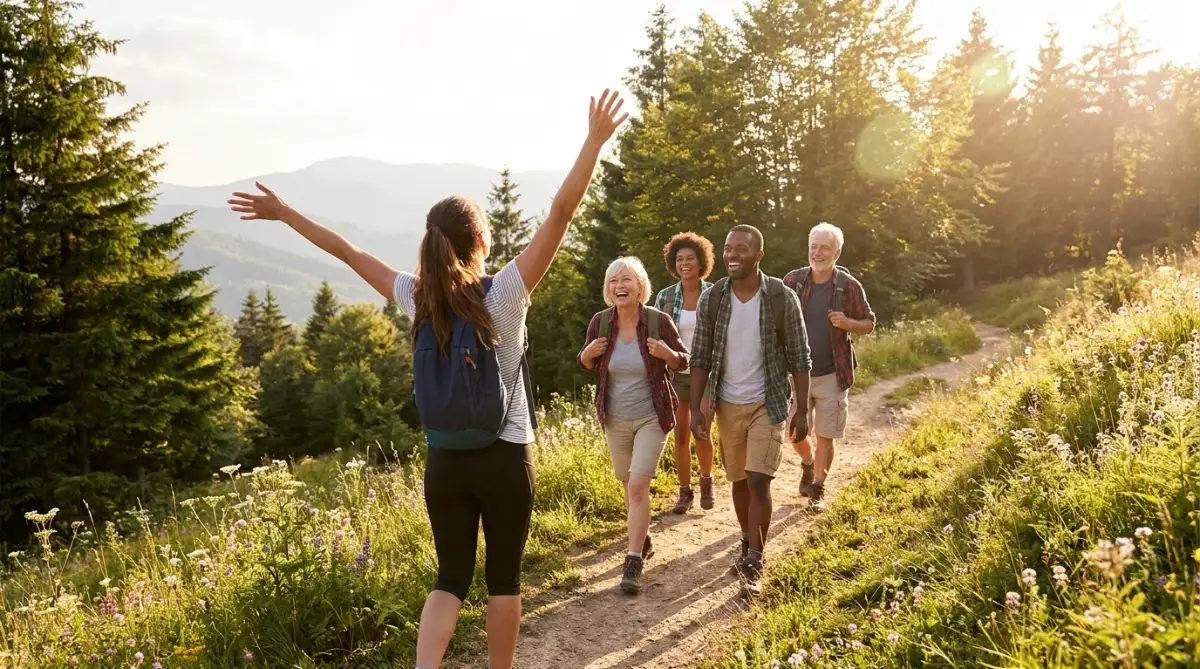
- Walking in a park
- Sitting under a tree
- Watching the sunset
- Listening to birds
- Hanging out in a garden
Even a short break outside during a busy day can help you feel better emotionally.
Green Spaces May Help Lower Everyday Stress
Stress is something almost everyone deals with.
Over time, it can affect:
- Sleep
- Digestion
- Blood pressure
- Energy
- Focus
Being in nature can help your body and mind slow down a bit and relax.
That’s why many experts suggest spending regular time in green spaces as part of a healthy routine.
And the best part? You don’t need anything fancy—just being outside helps.
Outdoor Walking Is One of the Simplest Forms of Exercise
You don’t need a gym to stay active.
Walking outside is one of the easiest ways to move your body while also enjoying fresh air and scenery.
It can support:
- Heart health
- Weight control
- Joint movement
- Muscle strength
- Better circulation
A lot of people find outdoor walking easier to stick with because it doesn’t feel boring or repetitive.
What matters most is consistency, not intensity.
Even a little bit every day adds up.
Nature Can Help Improve Focus and Mental Clarity
After long hours on screens, it’s normal to feel mentally tired.
Stepping outside gives your brain a break from constant digital noise.
Nature can help reset your attention, which may improve:
- Focus
- Creativity
- Problem-solving
- Productivity
That’s why many schools and workplaces encourage outdoor breaks during long study or work sessions.
Better Sleep Often Starts Earlier in the Day
If your sleep feels off, your daytime habits might be part of the reason.
Not getting enough natural light during the day can affect your sleep cycle.
Spending time outside helps your body stay in sync, making it easier to:
- Fall asleep
- Stay asleep
- Wake up feeling rested
Good sleep supports almost everything in your body, so this is a big one.
Outdoor Time Encourages Healthy Physical Activity
Nature naturally gets you moving.
When you’re outside, you’re more likely to:
- Walk
- Hike
- Ride a bike
- Play sports
- Garden
- Explore nearby areas
And the best part is, it doesn’t always feel like “exercise”—it just feels like living your life.
Spending Time Outside Can Support Heart Health
Heart health is influenced by many lifestyle habits.
Outdoor time often brings several of them together, like:
- Regular movement
- Lower stress
- Better sleep
- More active routines
While it’s not a cure or treatment, it can definitely be part of a heart-healthy lifestyle.
Children Also Benefit from Outdoor Play
Kids especially need time outside.
Outdoor play helps with:
- Physical activity
- Social skills
- Creativity
- Coordination
- Curiosity
Balancing screen time with outdoor time can help build healthier habits early on.
Simple Outdoor Activities Anyone Can Enjoy
You don’t need a big adventure to enjoy nature.
Here are some easy ideas:
- Walking around your neighborhood
- Visiting a local park
- Gardening at home
- Reading outside
- Having coffee on the balcony
- Taking calls while walking
- Watching sunrise or sunset
- Playing with pets outside
Small habits like these can make a big difference over time.
Common Myths About Spending Time Outdoors
There are a few common misunderstandings that stop people from going outside more often.
Myth: You need hours outside to benefit
Even a few minutes can help.
Myth: It only counts if you’re exercising
Just relaxing outside still matters.
Myth: Bad weather means staying inside all day
With the right clothing, many outdoor activities are still possible.
Myth: Nature only exists in forests
Parks, gardens, and even tree-lined streets count too.
Small Daily Changes Can Create Lasting Health Benefits
You don’t need a huge lifestyle overhaul to feel better.
Just spending a bit more time outside each day is one of the simplest habits that can improve both your body and mind.
Whether it’s walking, relaxing in a park, gardening, or just sitting outside for a few minutes, nature gives you a chance to reset.
In the next part, we’ll go deeper into more science-backed benefits, easy ways to build an outdoor routine, common mistakes to avoid, FAQs, and practical tips to make outdoor time a natural part of your everyday life.
How to Make Outdoor Time a Sustainable Daily Habit
Knowing that spending time outdoors is good for you is one thing, but actually turning it into a habit is another. A lot of people are busy with work, family, or other responsibilities, so getting outside can feel like just one more thing to squeeze in. The good news is you don’t need a total lifestyle overhaul. Small, steady changes can go a long way.
Start by spotting little windows in your day where you can naturally step outside. Maybe it’s having your morning coffee on the balcony, taking a quick walk at lunch, or sitting in a nearby park for a few minutes after work. These kinds of simple routines are usually much easier to stick with than big, ambitious plans.
Consistency matters more than how long you stay outside. A few minutes most days is usually more realistic (and more helpful) than the occasional long outdoor trip.
Build Outdoor Time Into Everyday Activities
Instead of treating outdoor time like an extra chore, try mixing it into things you already do.
Some easy ideas:
- Walk while you’re on the phone.
- Read a book in your backyard or a local park.
- Exercise outside when the weather is nice.
- Take kids to a playground instead of staying indoors.
- Eat lunch outside when you can.
- Walk or bike for short errands instead of driving.
These small tweaks help outdoor time feel natural, not like another task on your to-do list.
Seasonal Changes Shouldn't Stop You
It’s normal to spend less time outside when the weather isn’t great. But colder, hotter, or rainy days don’t always mean you have to stay indoors.
Depending on your area, you can still get outside by:
- Dressing for the weather.
- Drinking enough water, especially when it’s hot.
- Finding shade when the sun is strong.
- Skipping outdoor time during extreme conditions.
- Picking safe, comfortable walking routes.
Adjusting to the seasons helps you keep the habit going all year, not just when the weather is perfect.
Outdoor Activities for Every Age Group
One of the best things about being outside is that it works for almost everyone, no matter their age.
Young Children
Kids usually love being outdoors naturally.
Try things like:
- Running and active play
- Nature scavenger hunts
- Gardening with family
- Playground visits
- Ball games
These help kids stay active while also learning and socializing.
Teenagers
Outdoor time can be a great break from school and screens.
Ideas include:
- Team sports
- Cycling
- Hiking
- Photography
- Walking with friends
Adults
For busy adults, simple routines work best.
Some options:
- Walking meetings
- Outdoor workouts
- Gardening
- Jogging
- Weekend park visits
Older Adults
Older adults can enjoy nature safely too, with activities like:
- Gentle walking
- Bird watching
- Light gardening
- Outdoor stretching
- Visiting local parks
Staying active outside can support mobility, independence, and overall well-being.
Simple Safety Tips for Spending Time Outdoors
Outdoor time is great, but it’s still important to stay safe.
Keep these in mind:
- Drink enough water.
- Wear comfortable, supportive shoes.
- Use sunscreen when needed.
- Dress for the weather.
- Check the forecast before heading out.
- Avoid isolated areas if you’re alone.
- Let someone know your plans for longer outings.
- Carry your phone in case of emergencies.
A little preparation helps you enjoy your time outside without unnecessary risks.
How Nature Supports Long-Term Healthy Living
Healthy living doesn’t come from one habit alone.
It’s built from small, consistent choices over time.
Spending time outside often naturally leads to other healthy habits too.
For example, people who get outside regularly may also:
- Sleep better.
- Move more during the day.
- Feel less stressed.
- Spend less time on screens.
- Feel more motivated to eat well.
These habits tend to support each other and build a stronger overall routine.
Common Mistakes That Reduce the Benefits of Outdoor Time
Even though getting outside is simple, a few habits can take away from the benefits.
Staying Focused on Your Phone
It’s easy to stay glued to your screen even outdoors.
Try putting your phone away and actually noticing what’s around you.
Choosing Convenience Over Movement
Driving very short distances instead of walking means missing easy chances to move.
If you can, try walking nearby trips.
Spending All Free Time Indoors
It’s tempting to spend weekends entirely inside.
Mixing in some outdoor time can make your routine feel more balanced.
Ignoring Hydration
Even light outdoor activity can dehydrate you, especially in warm weather.
Forgetting Sun Protection
Sunlight is great in moderation, but too much exposure can be harmful.
Use shade, sunscreen, hats, or sunglasses when needed.
Frequently Asked Questions
How much outdoor time is generally beneficial?
There’s no perfect amount. Even short, regular breaks outside can help your well-being.
Is walking outside better than walking indoors?
Both are good for you. Outdoor walking just adds fresh air, natural light, and scenery.
Can city parks still provide health benefits?
Yes, even small green spaces in cities can help you relax and move more.
Does outdoor time replace exercise?
No, it’s a great addition, but it doesn’t replace regular exercise.
Is spending time outdoors helpful for mental well-being?
Many people feel calmer and more refreshed outside, though experiences vary.
What if I have very little free time?
Even a few minutes outside during the day can still make a difference.
Should children spend time outdoors every day?
Yes, outdoor play is generally encouraged as long as it’s safe and age-appropriate.
Easy Ways to Stay Motivated
Sticking with outdoor habits is easier when it feels fun, not forced.
Try:
- Exploring new parks or routes
- Going with friends or family
- Listening to podcasts while walking
- Setting small weekly goals
- Taking photos of nature
- Keeping a simple habit tracker
- Focusing on consistency, not perfection
Supporting Both Physical and Mental Wellness Through Nature
Health isn’t just about avoiding illness. It’s about feeling good physically, mentally, and emotionally.
Nature helps with a lot of that at once.
Fresh air encourages movement.
Natural light helps regulate sleep.
Green spaces help you relax.
Outdoor activity supports heart health.
Time away from screens gives your mind a break.
Small daily choices really do add up over time.
Bringing Nature Back Into Everyday Life
Getting outside more doesn’t require fancy gear, travel, or big life changes. Most of the time, it’s about small, repeatable habits.
Whether it’s a short morning walk, lunch in a park, a bit of gardening, or just sitting outside for a few quiet minutes, it all counts.
Over time, these small moments can help you feel healthier, less stressed, more energized, and more connected to your surroundings.
Real wellness usually comes from simple, steady habits—not dramatic changes. And spending more time outside is one of the easiest ones to start with.
Disclaimer
This article is intended for educational and informational purposes only and should not be considered medical advice, diagnosis, or treatment. Individual health needs vary, and the benefits of outdoor activities may differ from person to person. If you have a medical condition, mobility limitation, severe allergies, or concerns about sun exposure or exercise, consult a qualified healthcare professional before making significant changes to your lifestyle. Always follow local weather advisories and practice appropriate outdoor safety measures.