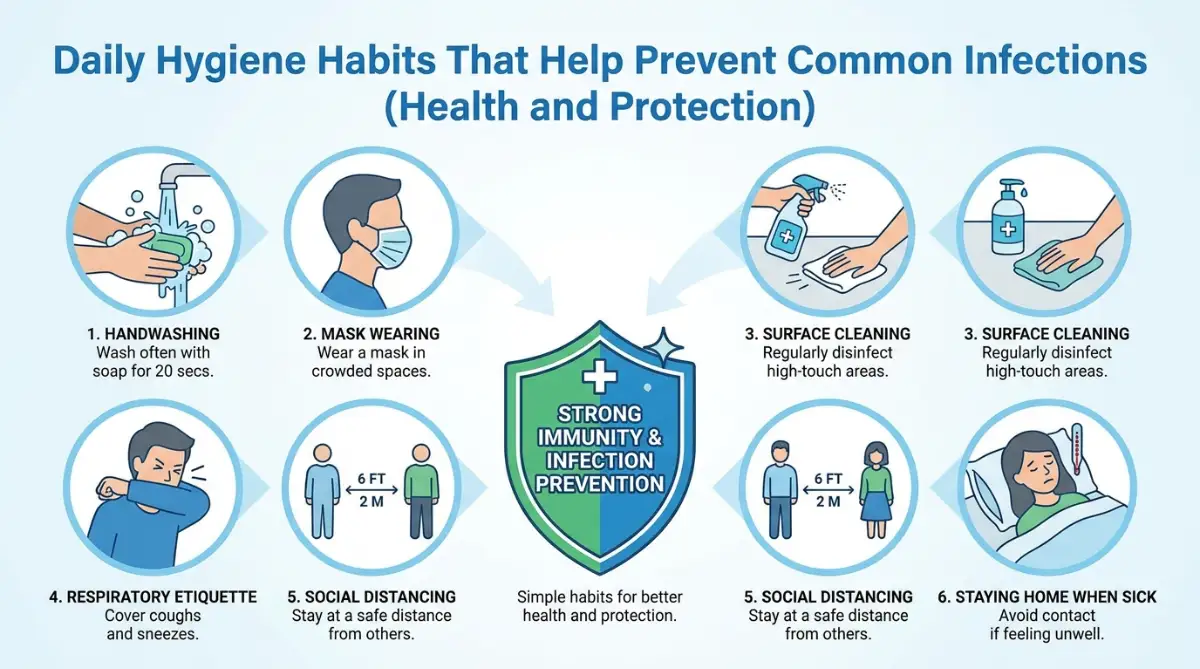
Daily Hygiene Habits That Help Prevent Common Infections
Every day, people come into contact with thousands of bacteria, viruses, fungi, and other microorganisms. While many of these microbes are harmless, some can cause illnesses ranging from mild colds to more serious infections. Fortunately, maintaining good hygiene is one of the simplest and most effective ways to reduce the risk of many common infections.
Daily hygiene is not about creating a perfectly sterile environment. Instead, it focuses on minimizing harmful germs while allowing your body's natural defenses to work effectively. Small habits practiced consistently can significantly lower the chances of spreading infections at home, at work, in schools, and in public places.
In this guide, you'll discover practical, science-supported hygiene habits that are easy to follow and suitable for people of all ages. Whether you're looking to protect yourself or your family, these simple routines can make a meaningful difference.
Why Everyday Hygiene Matters More Than Most People Realize
Many infections spread through routine daily activities. Touching a contaminated surface, shaking hands, sharing personal items, or preparing food without proper hygiene can transfer harmful microorganisms from one person to another.
Good hygiene helps interrupt these transmission pathways. It reduces exposure to harmful germs before they have the opportunity to enter the body through the mouth, nose, eyes, or broken skin.
Maintaining proper hygiene also benefits communities by reducing the spread of contagious illnesses, especially during seasonal outbreaks.
Understanding How Common Infections Spread
Before building better hygiene habits, it helps to understand how infections are transmitted.
Direct Contact
Many illnesses spread when people touch infected skin, bodily fluids, or contaminated hands.
Examples include:
- Skin infections
- Some viral illnesses
- Eye infections
Indirect Contact
Germs can survive on frequently touched objects such as:
- Door handles
- Mobile phones
- Keyboards
- Shopping carts
- Elevator buttons
- Remote controls
Touching these surfaces and then touching your face can introduce germs into your body.
Respiratory Droplets
Coughing, sneezing, and even talking can release droplets containing infectious organisms.
Good respiratory hygiene helps reduce this form of transmission.
Contaminated Food and Water
Improper food handling and poor kitchen hygiene can introduce bacteria and parasites that cause gastrointestinal infections.
Start with Proper Hand Hygiene
Hand washing remains one of the most effective methods for preventing common infections.
Hands frequently touch contaminated surfaces throughout the day, making them one of the primary ways germs spread.
Wash Your Hands At These Important Times
- Before eating
- Before preparing food
- After using the restroom
- After coughing or sneezing
- After touching animals
- After handling garbage
- After returning home
- Before caring for someone who is sick
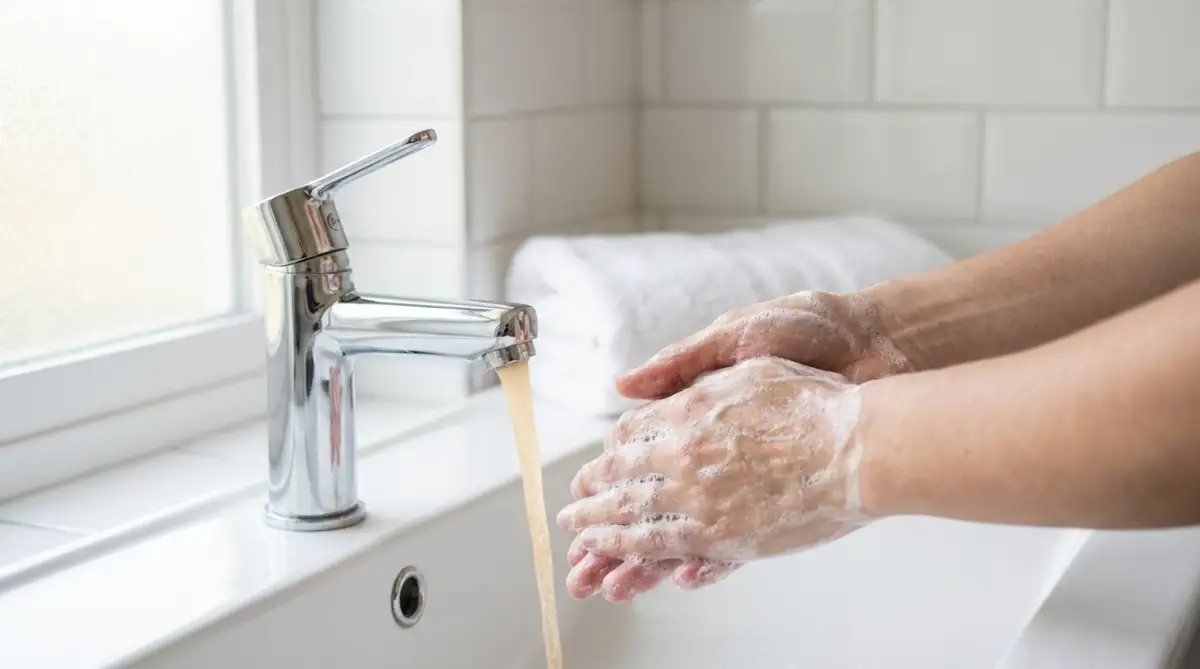
Wash Hands Correctly
Proper hand washing involves:
- Wetting hands with clean water
- Applying soap
- Scrubbing all surfaces, including fingertips and between fingers
- Cleaning under fingernails
- Washing for at least twenty seconds
- Rinsing thoroughly
- Drying with a clean towel or air dryer
Consistency is more important than perfection.
Avoid Touching Your Face Too Often
Many people touch their eyes, nose, and mouth without realizing it.
These areas serve as entry points for numerous viruses and bacteria.
Reducing unnecessary face touching helps lower the chance of transferring germs from contaminated hands.
Keep Your Fingernails Clean and Trimmed
Long or dirty fingernails can trap dirt, bacteria, and other microorganisms.
Maintaining short, clean nails makes hand hygiene more effective and reduces the risk of transferring harmful germs while eating or touching your face.
Regular nail cleaning is especially important for children and anyone involved in food preparation.
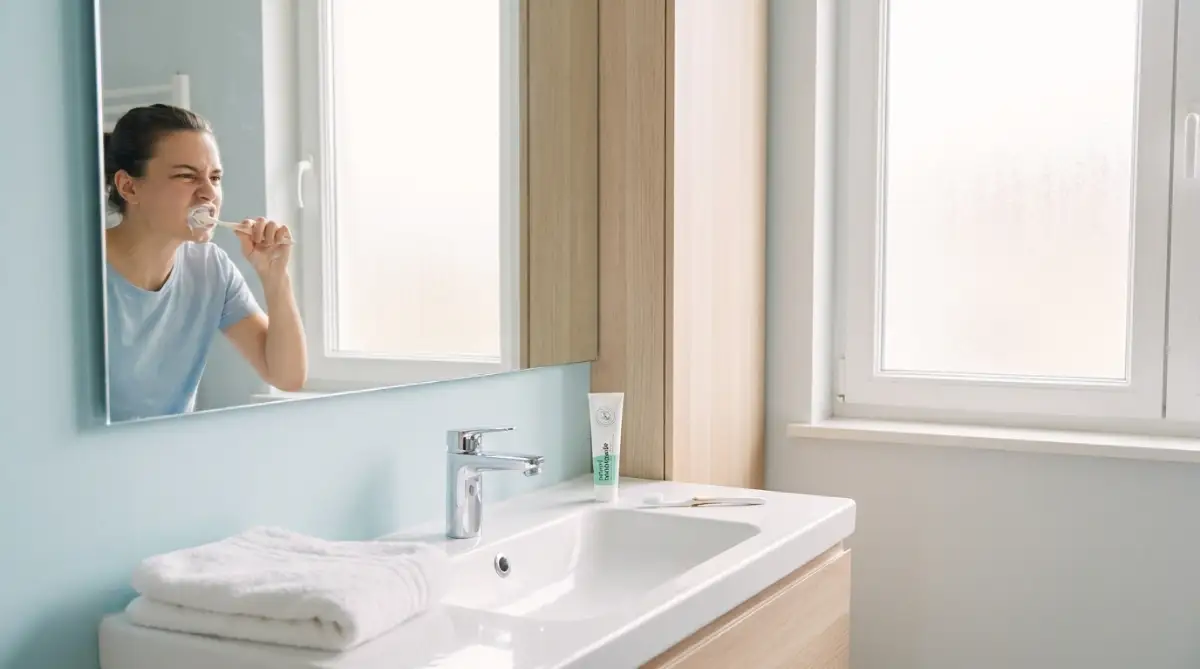
Practice Good Oral Hygiene Every Day
Oral hygiene is not only important for healthy teeth and gums but also plays a role in reducing harmful bacteria inside the mouth.
A healthy oral care routine includes:
- Brushing teeth twice daily
- Cleaning between teeth regularly
- Replacing worn toothbrushes
- Rinsing after meals when appropriate
Good oral hygiene supports overall health and may reduce the risk of certain infections.
Shower Regularly and Keep Skin Clean
Your skin acts as a protective barrier against harmful microorganisms.
Regular bathing removes sweat, dirt, excess oil, and germs that accumulate throughout the day.
Focus on cleaning:
- Underarms
- Feet
- Groin area
- Hands
- Face
Choose gentle cleansing products suitable for your skin type to avoid excessive dryness.
Wear Clean Clothes
Clothing can collect sweat, bacteria, dust, and environmental contaminants.
Changing into clean clothes daily supports better hygiene, especially:
- Undergarments
- Socks
- Workout clothing
- Sleepwear when needed
Laundry should be washed and dried thoroughly before reuse.
Maintain Good Foot Hygiene
Feet often remain enclosed for long periods, creating warm and moist environments where fungi can thrive.
Healthy foot habits include:
- Washing feet daily
- Drying carefully between toes
- Wearing breathable footwear
- Changing socks regularly
- Avoiding walking barefoot in public changing areas
These practices may reduce the likelihood of fungal infections.
Keep Frequently Touched Items Clean
Many personal belongings are handled countless times every day.
Examples include:
- Smartphones
- Tablets
- Eyeglasses
- Computer keyboards
- Mouse devices
- Wallets
- Keys
Cleaning these items according to manufacturer recommendations can reduce the buildup of germs.
Practice Safe Food Hygiene
Food preparation is another important part of infection prevention.
Wash Fresh Produce
Rinse fruits and vegetables under clean running water before eating or cooking.
Separate Raw and Cooked Foods
Keeping raw meat away from ready-to-eat foods helps prevent cross-contamination.
Cook Food Thoroughly
Proper cooking temperatures destroy many harmful bacteria and parasites.
Store Food Safely
Refrigerate perishable foods promptly and avoid leaving cooked meals at room temperature for extended periods.
Keep Your Kitchen Clean
Kitchen surfaces should be cleaned regularly because they often come into contact with raw ingredients.
Remember to clean:
- Cutting boards
- Countertops
- Knives
- Sink areas
- Dish sponges
- Dish towels
Replacing worn sponges regularly can also improve kitchen hygiene.
Stay Hydrated with Safe Drinking Water
Clean drinking water supports overall health while reducing exposure to waterborne infections.
If water safety is uncertain, use appropriate purification methods recommended by local health authorities.
Practice Respiratory Hygiene
Simple habits help reduce the spread of respiratory illnesses.
These include:
- Covering coughs and sneezes with a tissue or elbow
- Disposing of used tissues properly
- Washing hands afterward
- Staying home when feeling unwell if possible
These habits protect both you and those around you.
Avoid Sharing Personal Items
Certain personal items can carry germs from one person to another.
Avoid sharing:
- Toothbrushes
- Razors
- Towels
- Nail clippers
- Makeup products
- Drinking bottles
Keeping personal items separate lowers the risk of infection transmission.
Clean and Cover Minor Cuts
Even small cuts provide opportunities for bacteria to enter the body.
Basic wound care includes:
- Washing with clean water
- Applying appropriate first aid
- Covering with a clean dressing when necessary
- Monitoring for signs of infection
Prompt attention can help prevent complications.
Keep Your Living Space Clean
A clean home contributes to healthier living conditions.
Focus on regular cleaning of:
- Bathroom surfaces
- Kitchen counters
- Door handles
- Light switches
- Tables
- Frequently touched furniture
Good ventilation also supports healthier indoor air quality.
Develop Healthy Bathroom Hygiene
Bathrooms can become breeding grounds for microorganisms if not maintained properly.
Helpful habits include:
- Flushing toilets with the lid closed when possible
- Washing hands after every restroom visit
- Cleaning sinks and toilet surfaces regularly
- Keeping towels dry between uses
These small actions reduce the spread of harmful germs.
Teach Children Healthy Hygiene Early
Children often touch many surfaces throughout the day and may forget proper hygiene.
Parents and caregivers can encourage healthy routines through:
- Demonstrating proper hand washing
- Making hygiene part of daily routines
- Praising consistency
- Explaining why hygiene matters in age-appropriate ways
Learning these habits early can provide lifelong health benefits.
Support Your Immune System with Healthy Daily Habits
Hygiene works best when combined with overall healthy living.
Support your body's natural defenses by:
- Getting adequate sleep
- Eating balanced meals
- Staying physically active
- Managing stress
- Drinking enough water
A healthy immune system complements good hygiene practices.
Common Hygiene Mistakes Many People Overlook
Even people who value cleanliness sometimes miss important details.
Examples include:
- Forgetting to wash reusable water bottles
- Using the same kitchen towel for multiple purposes
- Touching the face after handling public objects
- Not cleaning mobile phones regularly
- Washing hands too quickly
- Ignoring reusable shopping bags
Correcting these small mistakes can further reduce infection risks.
Building Hygiene Habits That Last
Long-term success comes from creating routines rather than relying on occasional efforts.
Simple strategies include:
- Washing hands immediately after entering your home
- Keeping soap available near every sink
- Cleaning high-touch surfaces on a regular schedule
- Carrying tissues when away from home
- Teaching every family member consistent hygiene practices
Over time, these behaviors become automatic and require very little effort.
Small Habits That Create Stronger Protection
Preventing common infections doesn't require expensive products or complicated routines. Consistent daily hygiene remains one of the most reliable ways to reduce exposure to harmful germs while supporting overall health.
By washing your hands properly, practicing safe food handling, maintaining personal cleanliness, caring for your home environment, and encouraging healthy habits within your family, you create multiple layers of protection against everyday infections.
No single habit eliminates every risk, but together these simple practices form a strong foundation for healthier living. Making hygiene part of your daily routine is a practical investment in your long-term well-being and helps create a safer environment for everyone around you.
How Daily Hygiene Changes Throughout Different Stages of Life
Good hygiene is important for everyone, but daily routines should be adjusted according to age, lifestyle, and individual needs. Understanding these differences can help people build habits that offer better protection against common infections.
Hygiene Tips for Infants and Young Children
Young children are still developing their immune systems, making them more vulnerable to infections. Parents and caregivers should focus on creating a clean and safe environment without overusing harsh cleaning products.
Helpful practices include:
- Washing hands before feeding or preparing bottles.
- Cleaning toys that are frequently placed in the mouth.
- Keeping fingernails trimmed.
- Washing reusable feeding items thoroughly.
- Encouraging children to wash their hands before meals and after using the bathroom.
Teaching hygiene through positive reinforcement often creates lifelong healthy habits.
Hygiene for School-Age Children
Schools expose children to many shared surfaces and close contact with classmates.
Children should learn to:
- Wash hands after recess.
- Avoid sharing water bottles or eating utensils.
- Cover coughs and sneezes properly.
- Report cuts or wounds to an adult.
- Keep lunch boxes and reusable bottles clean.
Simple education about germs can help children understand why these habits matter.
Hygiene for Adults
Busy schedules often cause adults to overlook personal hygiene.
Prioritize:
- Cleaning workstations regularly.
- Washing hands after commuting.
- Maintaining good oral hygiene.
- Showering after intense physical activity.
- Changing workout clothing promptly.
Small improvements can reduce exposure to everyday germs.
Hygiene for Older Adults
As people age, the immune system may become less effective, making infection prevention increasingly important.
Older adults should pay special attention to:
- Skin care to prevent cracks and wounds.
- Oral health.
- Proper food storage.
- Safe medication handling.
- Regular cleaning of mobility aids if used.
Caregivers should also practice proper hand hygiene before providing assistance.
Seasonal Hygiene Habits That Support Better Health
Environmental conditions can influence how infections spread.
During Colder Seasons
Respiratory illnesses often become more common when people spend more time indoors.
Helpful habits include:
- Improving indoor ventilation.
- Washing hands after returning home.
- Cleaning frequently touched surfaces.
- Avoiding touching the face unnecessarily.
During Warmer Seasons
Heat and humidity may encourage bacterial growth in food and increase the risk of certain skin infections.
Extra attention should be given to:
- Food storage.
- Personal cleanliness after sweating.
- Keeping skin dry where possible.
- Drinking safe, clean water.
Travel Hygiene Tips That Reduce Infection Risks
Travel often introduces people to unfamiliar environments.
A few preventive habits can help lower health risks.
Before eating during travel:
- Wash hands whenever possible.
- Use alcohol-based hand sanitizer if soap and water are unavailable.
When staying in hotels:
- Clean frequently touched personal items.
- Store toothbrushes properly.
- Avoid sharing towels.
During public transportation:
- Avoid touching your face immediately after holding railings or handles.
- Wash hands soon after reaching your destination.
Digital Devices Need Hygiene Too
Many people clean their homes regularly but forget about electronic devices.
Studies consistently show that phones, keyboards, tablets, and computer mice can collect significant numbers of microorganisms because they are touched frequently throughout the day.
Develop a routine for cleaning:
- Mobile phones
- Smartwatches
- Earbuds
- Laptop keyboards
- Computer mouse
- Tablet screens
Always follow the manufacturer's cleaning recommendations to avoid damaging electronics.
Personal Hygiene at the Workplace
Offices, factories, retail stores, and other workplaces involve frequent contact with shared equipment.
Healthy workplace habits include:
- Washing hands before eating.
- Cleaning desks regularly.
- Disinfecting shared keyboards if appropriate.
- Avoiding sharing personal drinking containers.
- Staying home when experiencing contagious symptoms if workplace policies allow.
These habits protect both employees and customers.
Gym Hygiene: Protecting Yourself During Exercise
Fitness centers are excellent places to improve health, but shared equipment may also carry germs.
Consider these practical habits:
- Wipe equipment before and after use if cleaning supplies are available.
- Bring your own water bottle.
- Avoid walking barefoot in locker rooms.
- Wash hands after workouts.
- Shower after exercising.
- Wash gym clothes after every session.
Maintaining these habits supports both personal and community health.
Creating a Family Hygiene Routine
Healthy habits become easier when everyone participates.
Families can establish routines such as:
- Washing hands immediately after arriving home.
- Cleaning kitchen counters after meal preparation.
- Assigning regular household cleaning responsibilities.
- Washing reusable shopping bags.
- Replacing kitchen towels regularly.
Consistency is more effective than occasional deep cleaning.
Understanding the Difference Between Cleaning, Sanitizing, and Disinfecting
These terms are often confused but have different purposes.
Cleaning
Cleaning removes dirt, dust, grease, and many germs from surfaces.
Sanitizing
Sanitizing reduces the number of germs to safer levels.
Disinfecting
Disinfecting uses approved products to kill many disease-causing microorganisms on hard surfaces.
Knowing when each approach is appropriate helps maintain a healthier environment without unnecessary use of cleaning products.
Signs That Personal Hygiene Habits May Need Improvement
Sometimes everyday routines slowly become inconsistent.
You may benefit from reviewing your hygiene habits if you notice:
- Frequent stomach illnesses.
- Repeated skin infections.
- Persistent unpleasant body odor despite bathing.
- Dirty reusable bottles or lunch containers.
- Forgotten hand washing before meals.
- Regularly touching your face without noticing.
Small adjustments often produce meaningful improvements.
Myths About Hygiene That Can Be Misleading
Many misconceptions continue to circulate about hygiene.
Myth: More Soap Always Means Better Cleaning
Reality: Using enough soap and washing thoroughly is more important than using excessive amounts.
Myth: Every Germ Is Dangerous
Reality: Many microorganisms are harmless or even beneficial. Hygiene focuses on reducing harmful germs rather than eliminating all microbes.
Myth: Hand Sanitizer Replaces Hand Washing Every Time
Reality: Soap and water remain the preferred choice whenever hands are visibly dirty.
Myth: Wearing Gloves Eliminates Infection Risk
Reality: Gloves can become contaminated just like hands. Proper removal and hand washing afterward remain essential.
Building Hygiene Habits That Stick
Long-lasting habits are easier to maintain than complicated routines.
Try these practical strategies:
- Keep soap stocked at every sink.
- Place reminders near frequently used areas.
- Carry tissues during travel.
- Wash reusable water bottles daily.
- Schedule routine cleaning for high-touch household surfaces.
- Encourage every family member to participate.
Simple repetition gradually turns healthy actions into automatic behaviors.
When Hygiene Alone Is Not Enough
While good hygiene significantly reduces the risk of many infections, it cannot prevent every illness.
Seek appropriate medical evaluation if you experience symptoms such as:
- High or persistent fever.
- Difficulty breathing.
- Severe dehydration.
- Persistent vomiting.
- Confusion.
- Rapidly spreading skin infections.
- Symptoms that continue despite home care.
Early medical attention can improve outcomes for many infectious illnesses.
Frequently Asked Questions
How often should I wash my hands?
Wash your hands whenever they are visibly dirty and after activities that increase the risk of germ exposure, such as using the restroom, preparing food, handling waste, coughing, sneezing, or returning home from public places.
Is hand sanitizer enough?
Alcohol-based hand sanitizer can be useful when soap and clean water are unavailable. However, proper hand washing remains the preferred method whenever possible.
Should household surfaces be disinfected every day?
High-touch surfaces may benefit from regular cleaning, especially if someone in the household is ill. The appropriate frequency depends on household activities and individual circumstances.
Can good hygiene completely prevent infections?
No. Hygiene greatly lowers the risk of many infections but cannot eliminate every possibility. Healthy lifestyle habits, vaccinations where appropriate, and timely medical care also contribute to overall protection.
Why is consistency more important than occasional deep cleaning?
Daily hygiene interrupts the spread of germs before they accumulate. Consistent routines are generally more effective than infrequent intensive cleaning.
Making Infection Prevention Part of Everyday Living
The most successful hygiene routines are simple enough to practice every day. They do not require expensive equipment or complicated schedules. Instead, they rely on consistent actions that become second nature over time.
By washing your hands correctly, maintaining clean living spaces, practicing safe food handling, caring for personal items, and encouraging healthy habits within your family, you create multiple layers of protection against common infections.
Remember that hygiene is not about fear of germs—it is about making informed choices that support your body's natural defenses and reduce unnecessary health risks. Every small habit contributes to a healthier home, safer communities, and improved well-being over the long term.
Disclaimer
This article is intended for educational and informational purposes only and should not be considered medical advice, diagnosis, or treatment. Hygiene practices can significantly reduce the risk of many common infections, but they cannot prevent every illness. If you develop severe, persistent, or worsening symptoms, or if you have underlying health conditions or concerns about infection prevention, consult a qualified healthcare professional for personalized guidance.