Everyday Habits That May Increase the Risk of Getting Sick
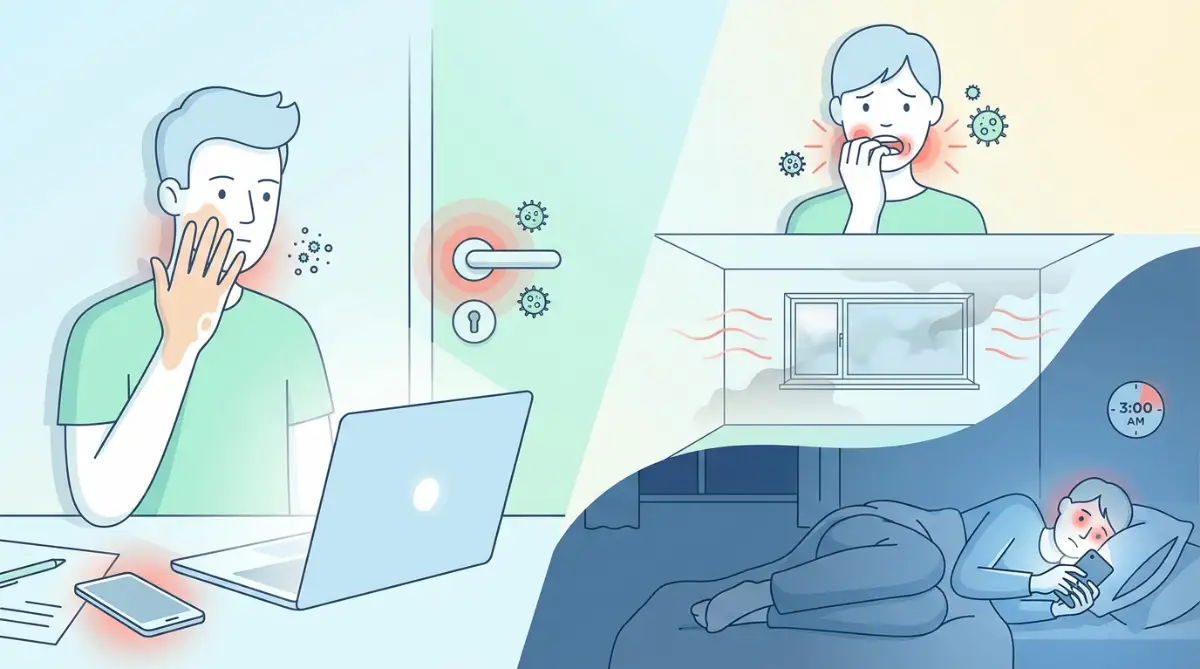
Good health is often shaped by the small things we do every day. While a lot of people focus on treating illnesses after they show up, they don’t always notice the everyday habits that can quietly make them more likely to get sick. Things like skipping sleep, forgetting to wash your hands, or eating too many processed foods can slowly weaken your body’s natural defenses.
Your immune system works 24/7 to protect you from bacteria, viruses, fungi, and other harmful germs. But when unhealthy routines become part of your daily life, your body may not be able to fight infections as well as it should.
The good news is that many of these habits are easy to spot and improve. With a few simple lifestyle changes, you can support your immune system, lower your chances of getting sick, and feel better overall.
This guide looks at some common daily habits that may increase the risk of getting sick and shares easy ways to replace them with healthier ones.
Why Small Daily Habits Matter More Than You Think
Most serious health issues don’t happen overnight. They usually build up over time from repeated habits that don’t seem like a big deal in the moment.
Skipping breakfast once won’t do much. Staying up late one night won’t instantly make you sick. But doing these things regularly can slowly put stress on your body.
On the flip side, small healthy habits done consistently can strengthen your immune system and support long-term health.
Instead of looking for complicated fixes, it’s often better to start by improving your everyday routines.
Not Getting Enough Sleep
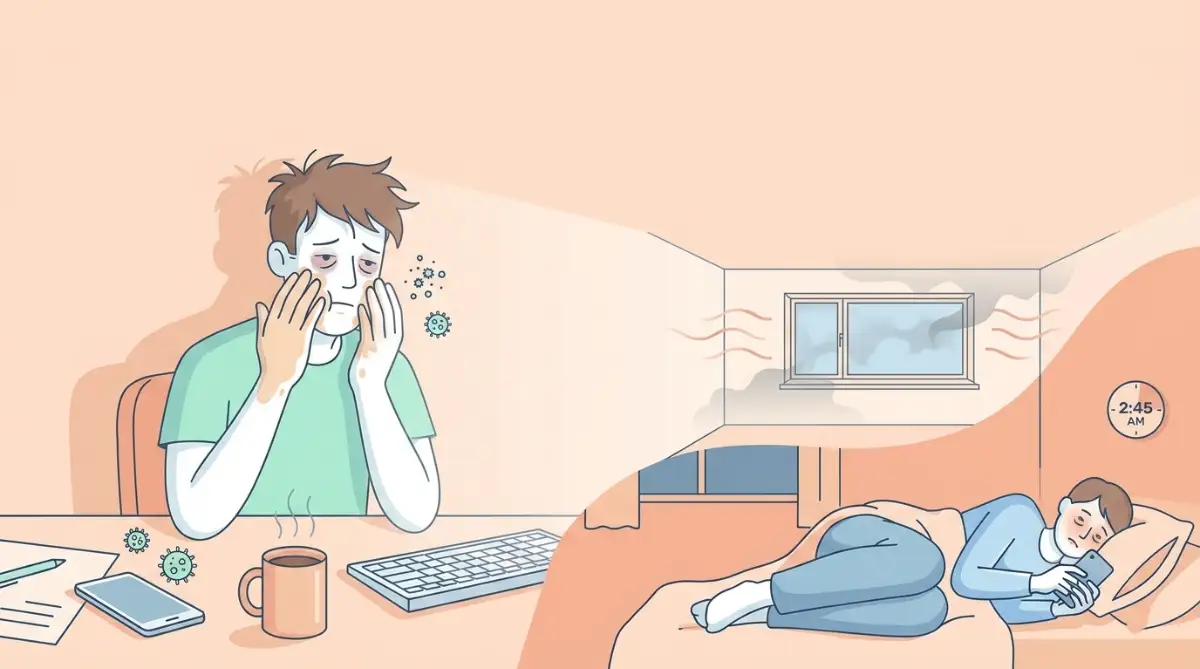
Sleep is one of the main ways your body repairs and resets itself.
While you sleep, your immune system produces protective proteins and antibodies that help fight off infections. Not getting enough sleep can weaken this defense and make it easier to get sick.
Signs of Poor Sleep
- Waking up still feeling tired
- Trouble focusing
- Frequent headaches
- Feeling irritable
- Getting sick more often
Better Sleep Habits
- Try to go to bed at the same time each night
- Cut down on screen time before bed
- Keep your room quiet and comfortable
- Avoid heavy meals right before sleeping
- Aim for enough sleep based on your age
Even going to bed just one hour earlier can make a difference over time.
Washing Hands Too Quickly or Not at All
Handwashing is one of the easiest ways to protect yourself from germs.
Washing your hands properly helps break that chain.
Wash Your Hands Especially After
- Using the restroom
- Preparing food
- Coming home from outside
- Blowing your nose
- Touching shared public surfaces
- Caring for someone who is sick
Using soap and water and scrubbing for at least 20 seconds is usually enough to keep your hands clean.
Frequently Touching Your Face
Most people touch their face—especially the eyes, nose, and mouth—without even noticing.
These areas are easy entry points for germs.
Even if your hands look clean, touching your face after handling shared objects can still increase your risk of getting sick.
Just being more aware of this habit can help reduce exposure.
Eating Too Many Ultra-Processed Foods
What you eat plays a big role in how strong your immune system is.
Ultra-processed foods often contain a lot of sugar, unhealthy fats, salt, and artificial ingredients, but not many nutrients your body actually needs.
Eating too much of these foods may increase inflammation and weaken your body’s natural defenses over time.
Foods That Better Support Immune Health
- Fresh fruits
- Vegetables
- Whole grains
- Beans
- Nuts
- Seeds
- Lean proteins
- Yogurt with live cultures (when suitable)
A balanced diet most of the time is more helpful than relying on any single “superfood.”
Drinking Too Little Water
Staying hydrated is important for almost everything your body does.
Water helps with digestion, circulation, temperature control, and nutrient transport.
Even mild dehydration can leave you feeling tired, give you headaches, or affect your focus.
Simple hydration tips:
- Keep a water bottle with you
- Sip water throughout the day
- Drink more in hot weather or when active
- Choose water over sugary drinks when possible
Your exact needs depend on your lifestyle, age, and environment.
Living with Constant Stress
Stress is normal, but too much of it for too long can affect your immune system.
When stress stays high, your body releases hormones that can interfere with how well your immune system works.
Common stress triggers include:
- Work pressure
- Money worries
- Family responsibilities
- School or study demands
- Not having enough personal time
Ways to manage stress:
- Regular exercise
- Deep breathing
- Spending time outside
- Talking to someone you trust
- Mindfulness or relaxation practices
- Keeping a steady routine
It’s not about removing stress completely—it’s about handling it better.
Avoiding Physical Activity
Moving your body regularly does a lot more than just help with weight.
Exercise improves blood flow, supports heart health, helps control blood sugar, and may also support immune function.
Sitting for long periods every day can have negative effects on your health.
Easy ways to move more:
- Walk after meals
- Take the stairs
- Stretch every hour
- Do light gardening
- Dance at home
- Ride a bike
- Play a sport
The key is consistency, not intensity.
Smoking and Exposure to Tobacco Smoke
Smoking harms many parts of the body, especially the lungs and heart.
It also weakens your body’s ability to fight infections, especially in the respiratory system.
Even secondhand smoke can be harmful, particularly for children and older adults.
Avoiding tobacco is one of the best things you can do for your long-term health.
Drinking Alcohol in Excess
Too much alcohol can affect your immune system, sleep, liver health, and overall nutrition.
Drinking in moderation—or not at all—is generally better for your health.
If you have medical conditions, it’s best to follow your doctor’s advice.
Ignoring Oral Hygiene
Your mouth naturally contains many types of bacteria.
If you don’t brush and floss regularly, harmful bacteria can build up and lead to gum disease or tooth decay.
Poor oral health has also been linked to other health problems.
Good oral care includes:
- Brushing twice a day
- Flossing regularly
- Replacing your toothbrush when needed
- Visiting the dentist regularly
Healthy teeth and gums are part of overall health.
Sharing Personal Items
Some everyday items can easily spread germs between people.
For example:
- Toothbrushes
- Razors
- Towels
- Water bottles
- Lip balm
- Makeup products
Keeping personal items to yourself helps reduce unnecessary exposure to germs.
Spending Too Much Time Indoors
Getting some fresh air and sunlight is good for your overall well-being.
While too much sun can be harmful, spending time outdoors in moderation can help with mood, movement, and vitamin D levels.
Try things like:
- Walking outside
- Gardening
- Outdoor workouts
- Visiting parks
- Spending time with family outdoors
Just remember to protect your skin when you’re in the sun for longer periods.
Ignoring Vaccination Recommendations
Vaccines help your immune system learn how to fight certain infections.
Following recommended vaccine schedules can lower your risk of preventable diseases and help protect others around you too.
If you have questions, it’s best to talk to a healthcare professional.
Overusing Antibiotics
Antibiotics only work for bacterial infections—not viruses like colds or most flu cases.
Using them when they’re not needed can lead to antibiotic resistance, which makes future infections harder to treat.
Always take antibiotics only when prescribed by a doctor.
Poor Food Safety Practices
Food borne illness is more common than many people think.
Simple mistakes in the kitchen can increase your risk of getting sick.
Good habits include:
- Washing fruits and vegetables
- Cooking food properly
- Storing leftovers quickly in the fridge
- Keeping raw and cooked foods separate
- Checking expiration dates
Safe food handling protects everyone at home.
Neglecting Mental Health
Your mental health and physical health are closely connected.
Ongoing stress, anxiety, or loneliness can affect sleep, eating habits, and overall well-being.
Getting support is completely normal and important.
Helpful options include:
- Talking to friends or family
- Joining support groups
- Practicing relaxation techniques
- Speaking with a mental health professional
Taking care of your mind is just as important as taking care of your body.

Building a Daily Routine That Supports Better Health
You don’t need to change everything at once.
Start small and build habits you can actually stick with.
A healthy daily routine might include:
- Eating balanced meals
- Staying active
- Drinking enough water
- Getting good sleep
- Managing stress
- Washing hands regularly
- Practicing good hygiene
- Spending time outdoors
- Taking care of mental health
- Following medical advice when needed
Small, steady changes often work better than big short-term efforts.
A Healthier Future Starts With Today's Choices
Your everyday habits really do add up. While no lifestyle can completely prevent illness, making better daily choices can strengthen your body and lower your risk of getting sick.
You don’t have to change everything at once. Start with one or two small habits and build from there. Over time, these small steps can turn into a healthier routine that supports your energy, immunity, and overall well-being.
It’s not about being perfect—it’s about making better choices most of the time so your body can function at its best, now and in the long run.
Simple Lifestyle Upgrades That Can Strengthen Your Natural Defenses
Staying healthy isn’t just about avoiding bad habits—it’s also about building simple routines that help your body do its job better. Every good habit you add gives your immune system a little extra support.
The goal isn’t to be perfect. It’s more about creating a lifestyle where your body can function well most of the time.
Make Nutrition More Colorful
One of the easiest ways to level up your diet is just to add more color to your plate.
Try adding things like:
- Leafy green vegetables
- Carrots
- Tomatoes
- Bell peppers
- Blueberries
- Oranges
- Apples
- Bananas
- Sweet potatoes
- Broccoli
A colorful plate usually means you’re getting a wider mix of nutrients instead of eating the same things over and over.
Choose Whole Foods More Often
Whole foods are usually less processed and naturally more nutrient-rich.
Examples include:
- Oats
- Brown rice
- Whole-grain bread
- Beans
- Lentils
- Eggs
- Fish
- Chicken
- Fresh vegetables
- Fresh fruits
Swapping processed snacks for whole foods here and there can slowly improve your diet without making things feel too strict.
Support Your Gut Health
Scientists are still learning just how important gut health is for your immune system.
Your gut is home to trillions of helpful bacteria that play a big role in keeping your body balanced.
Simple ways to support it include:
- Eating enough fiber
- Drinking plenty of water
- Adding fermented foods when it makes sense for you
- Avoiding unnecessary antibiotics
- Eating balanced meals instead of mostly processed foods
A healthy gut helps with digestion, nutrient absorption, and overall immune function.
Build Consistency Instead of Chasing Perfection
A lot of people try to change everything at once and end up giving up quickly.
What usually works better is building habits you can actually stick with.
Instead of overhauling your whole lifestyle, try adding one small habit each week.
For example:
- Walking for twenty minutes in the evening
- Adding one extra serving of vegetables a day
- Going to bed at a consistent time
- Drinking water before meals
- Taking short movement breaks during work
Small things done consistently can make a big difference over time.
Keep Your Home Cleaner Without Overcomplicating It
A clean home can help reduce dust, mold, allergens, and germs.
You don’t need to deep-clean everything every day—just focus on high-touch areas.
These include:
- Door handles
- Light switches
- Mobile phones
- Computer keyboards
- Kitchen counters
- Bathroom surfaces
- Remote controls
This is especially important if someone at home is sick or recovering.
Good airflow also helps, so opening windows when possible can improve indoor air quality.
Pay Attention to Early Warning Signs
Your body often gives you hints when something isn’t quite right.
Some common signs include:
- Ongoing fatigue
- A cough that won’t go away
- Fever that lingers
- Trouble breathing
- Unexplained weight changes
- Frequent infections
- Ongoing digestive issues
- Skin changes that keep getting worse
Don’t ignore symptoms for too long.
If something feels serious, persistent, or unusual, it’s best to check in with a healthcare professional.
Protect Yourself During Cold and Flu Seasons
Respiratory illnesses spread more easily when people are indoors together.
Simple habits that help include:
- Washing your hands regularly
- Covering coughs and sneezes
- Staying home when you’re sick if you can
- Avoiding close contact with sick people
- Cleaning shared surfaces
- Keeping up with sleep and nutrition
These small steps help protect both you and the people around you.
Healthy Workplace Habits
Most adults spend a big chunk of their day working, so small workplace habits really matter.
Try things like:
- Standing up and stretching often
- Keeping water nearby
- Washing hands before eating
- Cleaning your desk and keyboard sometimes
- Not skipping lunch
- Taking short screen breaks
- Sitting with good posture
Even tiny changes can make your workday feel a lot better physically.
Healthy Habits for Children
Kids learn a lot by watching the adults around them.
You can help build healthy habits by:
- Offering balanced meals
- Limiting sugary drinks
- Encouraging outdoor play
- Teaching proper handwashing
- Keeping sleep routines consistent
- Going to regular checkups
- Staying up to date with vaccinations (as recommended by healthcare providers)
Habits built early often stick for life.
Healthy Aging Begins with Everyday Choices
As we get older, the immune system naturally changes.
Older adults can especially benefit from focusing on:
- Nutritious meals
- Regular movement
- Staying hydrated
- Social connection
- Good sleep
- Managing medications properly
- Routine medical care
These habits can help support independence and overall quality of life.
Everyday Myths That Can Hurt Your Health
There’s a lot of health misinformation out there, especially online.
Here are a few common myths:
Myth: Taking More Vitamins Always Means Better Health
Reality:
Most people get what they need from food. Taking extra supplements without guidance doesn’t always help and can sometimes cause problems.
Myth: You Only Need to Wash Your Hands When They Look Dirty
Reality:
Germs aren’t visible, so clean hands matter even when they look fine.
Myth: Healthy People Never Get Sick
Reality:
Even very healthy people get sick sometimes. Good habits just lower the risk—they don’t remove it completely.
Myth: If You Feel Better, You Can Stop Medication Early
Reality:
Always follow your doctor’s instructions. Stopping medication too soon can make it less effective.
Common Daily Mistakes That People Often Overlook
Some habits are so common we don’t even notice them anymore.
- Skipping breakfast
- Drinking too many sugary drinks
- Sitting for long periods without moving
- Eating heavy meals late at night
- Ignoring stress for too long
- Using screens right before bed
- Missing regular checkups
- Sharing personal hygiene items
- Not cleaning frequently used personal items
Noticing these habits is the first step to improving them.
A Practical Daily Wellness Checklist
A simple checklist can make healthy habits easier to keep track of.
Each day, you can ask yourself:
- Did I drink enough water?
- Did I eat fruits or vegetables?
- Did I move my body?
- Did I sleep well?
- Did I manage stress in a healthy way?
- Did I practice good hygiene?
- Did I take breaks from screens?
- Did I make at least one healthy food choice?
- Did I avoid smoking and unnecessary alcohol?
- Did I notice any warning signs from my body?
You don’t need to get everything perfect—just aim to improve little by little.
Creating a Long-Term Healthy Lifestyle
Healthy living isn’t a short-term project—it’s something you build over time.
Instead of focusing only on avoiding illness, think about building a lifestyle that helps you feel energized, strong, and balanced.
Long-term healthy habits usually:
- Are realistic
- Fit into your daily routine
- Feel manageable
- Are based on solid information
- Focus on progress, not perfection
When healthy habits become automatic, taking care of yourself feels a lot easier.
Small Choices Today Can Shape Better Health Tomorrow
The small things you do every day really do add up. While genetics, age, and environment matter too, a lot of health outcomes are influenced by daily habits.
Sleeping well, eating balanced meals, staying active, managing stress, practicing good hygiene, and getting medical help when needed all build a strong foundation for long-term health.
Big changes don’t happen overnight. It’s the small, consistent choices that make the real difference. Every healthy step you take—no matter how small—helps support your body and improves your long-term well-being.
Disclaimer
This article is intended for educational and informational purposes only and should not be considered medical advice, diagnosis, or treatment. Health needs vary from person to person. If you experience persistent symptoms, have a chronic medical condition, or have concerns about your health, consult a qualified healthcare professional for personalized guidance. Never delay or ignore professional medical advice based on information found in this article.