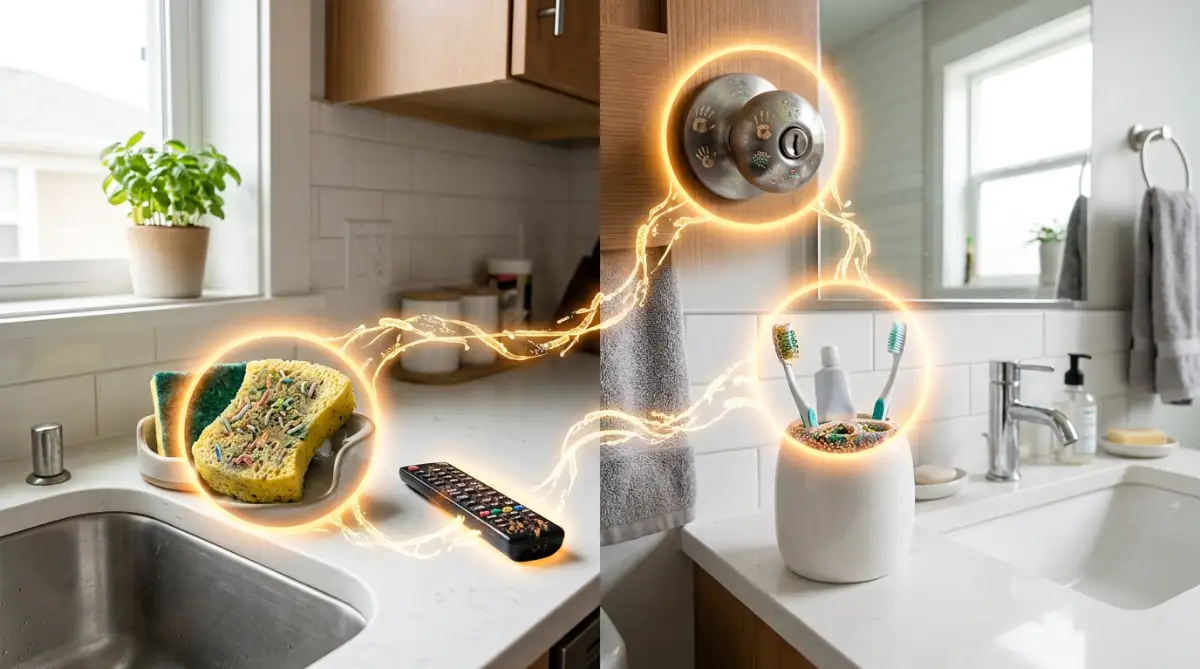
Everyday Germ Hotspots in Your Home You May Not Be Cleaning Properly
Keeping a home clean usually feels pretty straightforward. Most people vacuum the floors, wipe down kitchen counters, wash dishes, and clean the bathroom on a regular basis. Those habits matter, but they don't always cover the spots where germs tend to build up quietly over time.
A lot of the dirtiest things in a home are the ones we touch all the time but barely think about cleaning. From TV remotes to reusable shopping bags, these everyday items can collect bacteria, viruses, dirt, food bits, and moisture that make it easy for germs to stick around.
The good news is that you don't need fancy products or a complicated routine to make your home cleaner. A few small changes in how you clean can go a long way in cutting down the spread of germs and making your home feel healthier for everyone.
In this guide, you'll learn about some of the most overlooked germ hotspots, why they get dirty so easily, and a few simple cleaning tips that fit into everyday life.
Why Hidden Germ Hotspots Matter
Germs are everywhere. Most of them are harmless, but some can cause illness when they spread from person to person or end up on food and high-touch surfaces.
High-touch items matter most because different people in the house use them all day long without really thinking about how many germs can move from hands to surfaces.
Common ways germs spread include:
- Preparing food
- Using the bathroom
- Sneezing or coughing
- Touching pets
- Taking out the garbage
- Bringing items home from outside
- Using electronic devices
Cleaning these overlooked spots doesn't get rid of every germ, and it doesn't need to. The goal is simply to lower the amount of harmful contamination and build better hygiene habits.
The Kitchen Has More Than Just Cooking Messes
A lot of people think the bathroom is the dirtiest room in the house. But several kitchen items often have even more bacteria because of food crumbs, moisture, and constant handling.
Kitchen Sponge
A damp sponge is basically the perfect place for bacteria to grow.
Since it stays wet and often touches food residue, it can quickly become one of the germiest things in the kitchen.
Good habits include:
- Replace sponges regularly.
- Let them dry fully between uses.
- Clean them based on the manufacturer's instructions if they can be reused.
Dish Towels
Kitchen towels soak up moisture all day long.
Using the same towel to dry dishes, wipe counters, and dry hands makes it easier for germs to spread.
It's better to:
- Change towels often.
- Wash them with regular laundry.
- Let them dry completely after use.
Refrigerator Handles
People touch the fridge door over and over throughout the day, especially while cooking.
Still, these handles are often skipped during regular cleaning.
Wiping them down regularly with a suitable household cleaner helps cut down on dirt and germs.
Cutting Boards
Raw meat, vegetables, fruit, and cooked food all end up on cutting boards.
Cleaning them well after every use helps prevent cross-contamination.
Whenever you can, use separate cutting boards for raw meat and ready-to-eat foods.
Bathroom Items That Need More Attention
Bathrooms naturally have a lot of moisture, so regular cleaning matters even more there.
Still, some of the most touched items get way less attention than sinks or toilets.
Toothbrush Holders
Water drips into toothbrush holders every day.
Over time, toothpaste, residue, and moisture can build up.
Wash the holder regularly and let it dry before putting toothbrushes back in.
Faucet Handles
People often touch the faucet with dirty hands before washing them.
That means germs can stay on the handles even after hands are clean.
Make sure to wipe faucet handles during your regular bathroom cleaning.
Light Switches
Bathroom light switches get touched a lot but are easy to forget.
Cleaning high-touch switches regularly helps keep the whole house a little more hygienic.
Electronic Devices Are Touched All the Time
Phones, tablets, keyboards, gaming controllers, and remote controls go everywhere with us.
A lot of people use them while eating, cooking, or after coming home from public places.
Smartphones
A smartphone can be touched hundreds of times a day.
Clean it according to the manufacturer's instructions using safe cleaning materials that won't damage it.
Try not to use too much moisture.
Computer Keyboard
Dust, skin oils, food crumbs, and bacteria can collect between the keys.
Cleaning keyboards every so often helps with both hygiene and performance.
Television Remote Controls
Remote controls get passed around between family members all the time.
A quick wipe now and then can remove fingerprints, dust, and surface germs.
Door Handles Connect Every Room
Almost every trip through the house involves touching a few handles.
These include:
- Front doors
- Bedroom doors
- Bathroom doors
- Cabinet handles
- Closet doors
Since everyone touches them again and again, they should be part of your regular cleaning routine.
Light Switches Throughout the Home
Light switches are some of the most touched surfaces in any house.
Unlike counters or floors, they usually don't look dirty, so they're easy to overlook.
Adding switches to your weekly cleaning checklist is an easy way to improve hygiene without much extra work.
Frequently Used Household Items You Might Forget
Some things seem clean just because they aren't linked to food or bathrooms.
In reality, they get touched all the time.
Reusable Shopping Bags
Reusable grocery bags can pick up dirt from shopping carts, car floors, and grocery items.
Cleaning them based on their care instructions helps keep them fresh and hygienic.
Wallets and Handbags
These go almost everywhere.
They often touch public counters, chairs, car seats, and other surfaces before coming back home.
Wiping the outside now and then can help reduce built-up dirt.
Keys
House keys pass through a lot of hands and surfaces.
Even though they're small, they still deserve an occasional cleaning.
Pet Areas Also Need Regular Cleaning
Pets bring a lot of joy into a home, but their stuff needs attention too.
Examples include:
- Food bowls
- Water bowls
- Toys
- Leashes
- Bedding
Cleaning these items regularly helps support both pet health and household cleanliness.
Always follow the cleaning instructions that make sense for each pet product.
Laundry Hampers Can Collect More Than Clothes
Dirty clothes often carry sweat, dust, outdoor particles, and other contaminants.
Laundry baskets themselves can get dirty over time too.
Cleaning hampers every so often helps prevent buildup.
Let them dry completely before using them again.
Children's Toys Shouldn't Be Forgotten
Kids often put toys on floors, tables, and outdoor surfaces.
A lot of toys also end up in little mouths.
Different materials need different cleaning methods.
Always follow the manufacturer's instructions so you don't damage them.
Shared toys need extra attention when someone in the house is sick.
Cleaning Cloths Need Cleaning Too
One common mistake is using the same cloth all over the house.
A cloth used in the bathroom shouldn't also be used on kitchen counters.
Try using separate cloths for different areas.
Wash reusable cleaning cloths regularly according to their care instructions.
The Importance of Dry Surfaces
A lot of germs do better in damp places.
Keeping moisture under control around the house helps create a cleaner environment.
Simple habits include:
- Drying sinks after heavy use.
- Fixing leaks quickly.
- Letting towels dry fully.
- Ventilating bathrooms after showers.
- Keeping kitchen sponges from staying wet all the time.
- Create a Simple Cleaning Schedule
Trying to clean every surface every day can feel like too much.
Daily
- Kitchen counters
- Dining table
- Frequently touched handles
- Kitchen sink
- Bathroom sink
Weekly
- Remote controls
- Light switches
- Refrigerator handles
- Bathroom fixtures
- Electronic devices
- Trash cans
Monthly
- Toothbrush holders
- Laundry hampers
- Reusable shopping bags
- Cabinet handles
- Pet accessories
- Storage containers
A steady routine usually works better than cleaning everything once in a while.
Safe Cleaning Habits for Every Household
Cleaning products work best when you use them the right way.Keep these basic tips in mind:
- Read product labels carefully.
- Never mix different household cleaning chemicals unless the manufacturer says to.
- Wear gloves when needed.
- Keep cleaning products away from children and pets.
- Make sure there's good airflow while cleaning.
- Wash your hands after you're done.
These simple habits help keep things clean and safe.
Common Cleaning Mistakes
A lot of households make small mistakes that make cleaning less effective.
Some examples include:
- Using dirty sponges over and over.
- Forgetting high-touch surfaces.
- Cleaning with cloths that are too wet.
- Skipping electronic devices.
- Using one cloth for the whole house.
- Waiting too long to replace worn cleaning tools.
- Ignoring personal items that get used all the time.
Noticing these habits is the first step toward a better cleaning routine.
Building Better Everyday Habits
A healthy home doesn't come from deep cleaning once in a while.
It comes from small, steady habits that become part of everyday life.
Wiping down high-touch surfaces, replacing worn cleaning tools, washing reusable household items, and paying attention to overlooked objects all help keep your home cleaner.
You don't need to sanitize every inch of your house every day. A simple routine that focuses on high-touch areas is usually enough to cut down on unnecessary germs and make cleaning easier to manage.
Smart Habits That Help Reduce Germ Buildup Every Day
A healthier home is not created by occasional deep cleaning alone. Instead, it is the result of small, consistent habits that become part of everyday life. While no household can or should be completely free of microorganisms, reducing unnecessary germ buildup can help maintain a cleaner and more comfortable living environment.
One of the simplest ways to improve household hygiene is to become more aware of how germs move from one surface to another. Every time you touch a doorknob after preparing food, answer your phone while cleaning, or place grocery bags on the kitchen counter, microorganisms may transfer between surfaces.
Building awareness of these everyday actions makes it easier to develop routines that naturally limit the spread of germs.
Wash Hands at the Right Moments
Hand washing remains one of the most effective hygiene practices for everyday life.
Consider washing your hands after:
- Returning home from outside
- Using the restroom
- Preparing raw meat or seafood
- Taking out the trash
- Touching pets or cleaning litter areas
- Sneezing, coughing, or blowing your nose
- Gardening or yard work
- Handling dirty laundry
Proper hand washing should include soap, clean running water, and enough time to thoroughly clean all parts of the hands before drying them with a clean towel.
Reduce Cross Contamination Through out Your Home
Cross-contamination occurs when germs move from one object or surface to another. This often happens without anyone noticing.
For example:
- Using the same cutting board for raw meat and fresh vegetables.
- Cleaning the bathroom and then wiping kitchen counters with the same cloth.
- Touching refrigerator handles with hands that have handled raw ingredients.
- Placing shoes on furniture or beds.
Simple changes in routine can significantly reduce these risks.
Helpful strategies include:
- Assign separate cleaning cloths to different rooms.
- Wash reusable cleaning supplies regularly.
- Store raw foods separately during meal preparation.
- Clean food preparation areas after each use.
- Avoid sharing personal hygiene items.
- Improve Air Quality Alongside Surface Cleaning
Indoor air quality also plays an important role in overall cleanliness.
Dust, pet dander, moisture, and poor ventilation can affect the comfort of your living environment.
You can improve indoor air quality by:
- Opening windows when weather permits.
- Using kitchen exhaust fans while cooking.
- Running bathroom ventilation after showers.
- Replacing air filters according to manufacturer recommendations.
- Dusting surfaces before vacuuming.
- Keeping humidity at comfortable levels.
Good airflow can also help reduce moisture that encourages mold growth.
Pay Attention to Seasonal Cleaning Tasks
Some household areas need attention less frequently but should not be forgotten.
Seasonal cleaning provides an opportunity to inspect places that accumulate dust, dirt, and moisture over time.
Examples include:
- Ceiling fan blades
- Window tracks
- Air vents
- Under large furniture
- Behind kitchen appliances
- Closet shelves
- Storage containers
- Curtains and blinds
Including these tasks in a rotating schedule helps prevent excessive buildup.
Don't Overlook Frequently Shared Spaces
Homes with multiple family members naturally have more shared contact points.
These include:
- Dining tables
- Stair railings
- Kitchen cabinet handles
- Shared computer equipment
- Bathroom counters
- Children's play areas
Creating simple household habits encourages everyone to participate in maintaining cleanliness.
Even young children can learn age-appropriate hygiene practices such as putting toys away, washing hands before meals, and using clean tissues.
Cleaning Products Are Only Part of the Solution
Many people assume stronger cleaning chemicals always produce better results.
In reality, effective cleaning depends just as much on proper technique.
For many household surfaces, the process generally involves:
- Removing visible dirt.
- Cleaning the surface according to product instructions.
- Allowing the cleaner to remain on the surface for the recommended contact time if applicable.
- Letting the surface dry completely when appropriate.
Using excessive amounts of cleaning products does not necessarily improve results and may leave unwanted residue.
Always follow product instructions carefully.
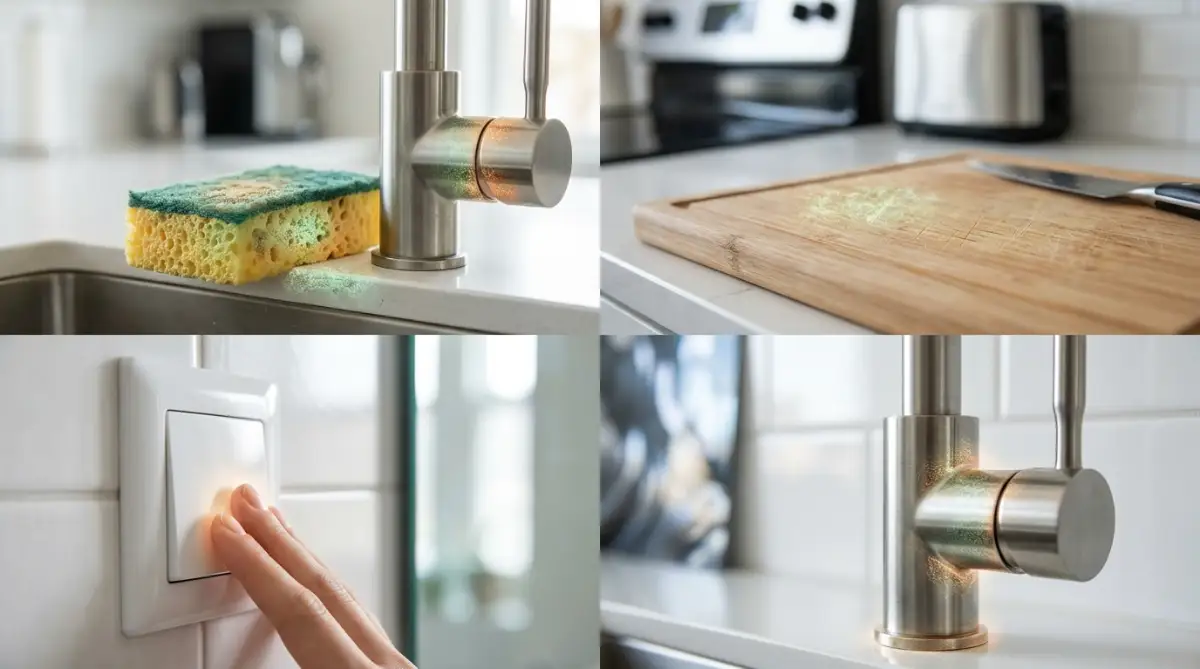
Create Cleaning Zones Instead of Cleaning Randomly
One effective strategy is dividing the home into manageable cleaning zones.
For example:
Kitchen Zone
Focus on:
- Food preparation surfaces
- Appliance handles
- Sink fixtures
- Dining table
- Cabinet pulls
Bathroom Zone
Include:
- Faucets
- Toilet handles
- Shower fixtures
- Mirrors
- Light switches
Living Area
Remember:
- Remote controls
- Coffee tables
- Gaming controllers
- Light switches
- Door handles
Bedrooms
Include:
- Bedside tables
- Lamp switches
- Closet handles
- Mobile devices
- Frequently touched furniture
Cleaning one zone at a time often feels less overwhelming than attempting to clean the entire house at once.
Healthy Habits When Someone at Home Is Sick
When a family member feels unwell, additional attention to hygiene can help reduce the spread of germs within the household.
Consider practical measures such as:
- Washing hands more frequently.
- Cleaning commonly touched surfaces more often.
- Using separate towels when practical.
- Disposing of used tissues promptly.
- Keeping shared areas well ventilated.
- Cleaning personal items according to manufacturer recommendations.
These simple habits support overall household hygiene while helping everyone feel more comfortable.
Small Household Items That Often Go Unnoticed
Many tiny objects receive constant contact but little attention during cleaning.
Examples include:
- Cabinet knobs
- Drawer pulls
- Thermostats
- Alarm clocks
- Desk organizers
- Reusable water bottles
- Eyeglass cases
- Makeup organizers
- Hairbrush handles
- Charging cables
Adding these items to occasional cleaning routines can make your home maintenance more complete.
Keeping the Entryway Cleaner
The entrance to your home serves as the transition between outdoor and indoor environments.
Creating simple entryway habits may reduce the amount of dirt brought inside.
Ideas include:
- Removing shoes near the entrance if appropriate for your household.
- Keeping a washable doormat inside and outside the door.
- Storing umbrellas after drying them.
- Wiping pet paws after outdoor walks when needed.
- Organizing bags instead of placing them on food preparation surfaces.
These small routines require little effort but can reduce unnecessary dirt throughout the home.
Build a Sustainable Cleaning Routine
The best cleaning schedule is one that fits realistically into your lifestyle.
Instead of spending an entire day cleaning, many households benefit from shorter daily sessions.
For example:
- Spend ten to fifteen minutes each evening wiping frequently touched surfaces.
- Choose one room each week for extra attention.
- Rotate larger tasks throughout the month.
- Keep cleaning supplies easily accessible.
Consistency is generally more effective than perfection.
Common Myths About Household Germs
Many misconceptions exist about home hygiene.
Let's examine several common myths.
Myth: If It Looks Clean, It Is Germ-Free
Many germs are invisible.
A surface can appear spotless while still carrying microorganisms.
Regular cleaning remains important even when dirt is not visible.
Myth: Strong Smells Mean Better Cleaning
The scent of a cleaning product does not determine how effectively it cleans.
Always evaluate products based on their intended use and follow manufacturer instructions.
Myth: Every Germ Is Dangerous
Not all microorganisms are harmful.
Many naturally exist in our environment.
Good hygiene focuses on reducing harmful contamination rather than eliminating every microorganism.
Myth: More Cleaning Product Is Always Better
Using excessive amounts of cleaner rarely improves results.
Following label directions is usually the safest and most effective approach.
Mistakes That Can Reduce Cleaning Effectiveness
Even with good intentions, certain habits may reduce the benefits of cleaning.
Avoid these common mistakes:
- Forgetting to clean reusable cleaning tools.
- Using one towel for multiple purposes.
- Ignoring high-touch surfaces.
- Allowing moisture to remain on frequently used items.
- Delaying replacement of worn sponges or brushes.
- Cleaning too quickly without allowing products to work as directed.
- Overlooking personal electronics.
Correcting these habits can make routine cleaning noticeably more effective.
Encourage the Whole Family to Participate
Keeping a home clean is easier when everyone contributes.
Simple responsibilities may include:
- Returning items to their proper place.
- Wiping spills immediately.
- Washing hands before meals.
- Keeping bedrooms organized.
- Emptying trash when needed.
- Cleaning personal electronics regularly.
Shared responsibility also helps establish lifelong healthy habits for children.
When Deep Cleaning Makes Sense
Routine maintenance handles most daily cleaning needs.
However, some situations may call for more thorough cleaning, such as:
- Moving into a new home.
- Completing home renovations.
- Preparing for guests after extended periods.
- Recovering after plumbing leaks.
- Organizing long-unused storage areas.
Planning deep cleaning projects in manageable sections can make the process much less stressful.
Build a Home Hygiene Checklist
Many people find checklists helpful because they reduce the chance of forgetting overlooked areas.
A practical checklist might include:
Daily:
- Kitchen counters
- Dining table
- Bathroom sink
- Frequently touched handles
Weekly:
- Electronics
- Light switches
- Appliance handles
- Trash containers
- Bathroom fixtures
Monthly:
- Toothbrush holders
- Laundry hampers
- Reusable shopping bags
- Pet supplies
- Window tracks
- Storage shelves
Adjust the schedule according to your household's needs and daily routines.
Creating a Cleaner Home Without Added Stress
One of the biggest misconceptions about home hygiene is that it requires constant effort or expensive products.
In reality, maintaining a cleaner home often comes down to consistency rather than intensity.
Small habits—such as putting dirty laundry directly into a hamper, wiping kitchen counters after cooking, replacing worn cleaning tools, and paying attention to high-touch surfaces—can gradually become second nature.
Over time, these routines create a living environment that feels cleaner, more organized, and easier to maintain.
Remember that every household is different. Families with children, pets, elderly adults, or frequent visitors may have different cleaning priorities than someone living alone. The goal is not perfection but developing practical habits that fit your lifestyle while supporting a healthier home.
Frequently Asked Questions
How often should frequently touched surfaces be cleaned?
The ideal frequency depends on household activity. Surfaces that receive regular contact, such as door handles, light switches, and remote controls, generally benefit from routine cleaning as part of your normal household schedule.
Should every room follow the same cleaning routine?
Not necessarily. Kitchens and bathrooms usually require more frequent attention because of moisture and food preparation. Bedrooms and living areas may have different priorities based on how they are used.
Are natural cleaning methods always better?
Different cleaning approaches work best for different situations. Always choose products appropriate for the specific surface and follow manufacturer guidance for safe use.
Is deep cleaning necessary if I clean every day?
Regular cleaning greatly reduces buildup, but occasional deep cleaning helps address areas that are less accessible or cleaned less frequently.
Final thought
A cleaner home begins with awareness. The surfaces you touch every day often deserve the most attention, even if they don't appear dirty. By combining consistent hand hygiene, thoughtful cleaning routines, proper ventilation, and regular maintenance of overlooked household items, you can significantly improve your home's overall cleanliness.
Rather than striving for an impossible germ-free environment, focus on practical habits that reduce unnecessary contamination and support a healthier living space. Small improvements practiced consistently often have the greatest long-term impact, making your home safer, more comfortable, and easier to maintain for everyone who lives there.
Disclaimer: This article is intended for general educational and informational purposes only. It does not provide medical advice, diagnosis, or treatment recommendations. Cleaning methods and products should always be used according to the manufacturer's instructions and safety guidelines. If you have concerns about infectious diseases, mold, allergies, or health-related conditions in your home, consult a qualified healthcare professional or an appropriate environmental specialist.