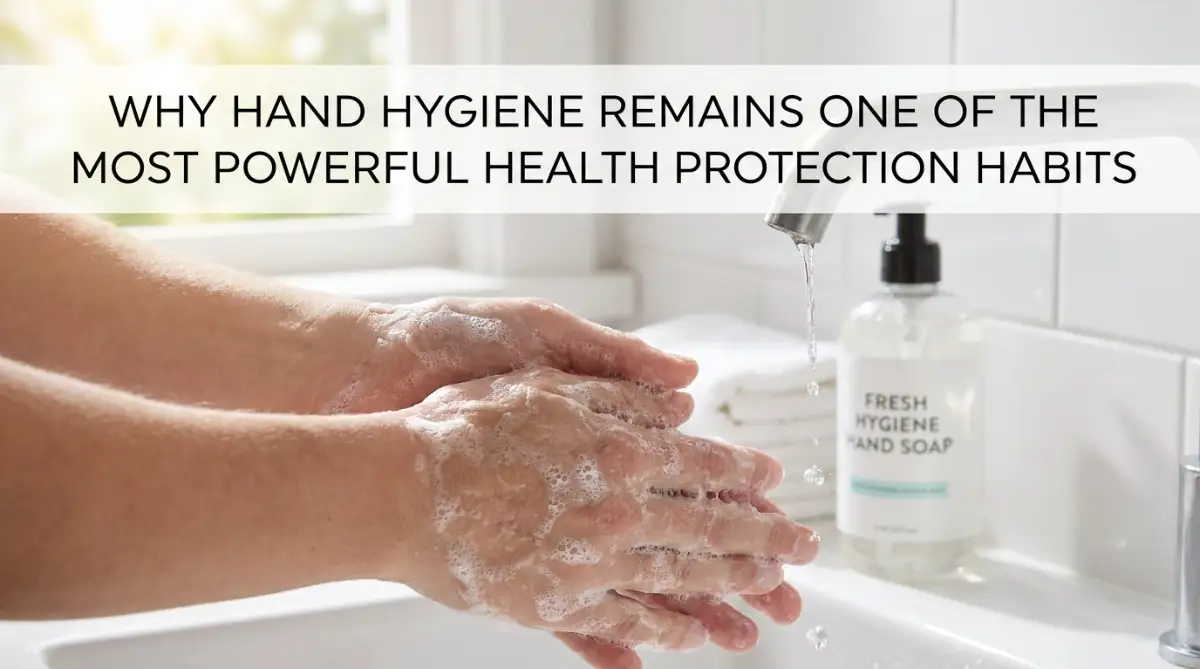
Why Hand Hygiene Is Still One of the Easiest Ways to Stay Healthy
Good health often comes down to the small things we do every day. While people usually think about diet, exercise, supplements, and sleep, one of the simplest and most effective habits is often overlooked—hand hygiene.
Our hands are constantly touching surfaces, objects, food, devices, pets, and other people. Throughout the day, they pick up countless microorganisms. Many of these are harmless, but some can cause illnesses ranging from the common cold to stomach infections and more serious diseases.
The good news is that good hand hygiene doesn’t require anything fancy or complicated. Just a few seconds of proper handwashing can go a long way in reducing the spread of harmful germs and protecting both you and the people around you.
In this guide, you’ll learn why hand hygiene is such a powerful health habit, how germs spread, when it matters most, and easy ways to make it part of your daily routine.
Understanding What Lives on Your Hands
Our skin naturally carries millions of microorganisms. Many are part of our normal skin flora and actually help keep the skin healthy. But throughout the day, temporary germs can also land on our hands after we touch contaminated surfaces.
These temporary germs may include:
- Viruses
- Bacteria
- Fungi
- Other microorganisms
That’s why health experts always highlight clean hands as one of the simplest ways to reduce illness.
How Germs Spread Through Everyday Activities
Many people think germs only spread in hospitals or crowded places. In reality, it happens all the time during normal daily life.
Common examples include:
- Opening door handles
- Using elevators
- Holding shopping carts
- Handling cash
- Using mobile phones
- Touching keyboards
- Preparing meals
- Caring for children
- Using shared office equipment
- Riding public transportation
After touching these surfaces, people often touch their face without realizing it.
Since the eyes, nose, and mouth are easy entry points for germs, this becomes a common way infections spread.
Why Hand Hygiene Protects More Than Just You
Hand hygiene isn’t just about protecting yourself.
When you wash your hands properly, you also help protect:
- Family members
- Children
- Elderly relatives
- Friends
- Coworkers
- Classmates
- Patients
- Customers
This creates a ripple effect of protection in homes, schools, workplaces, and communities.
Even healthy people can carry germs without showing symptoms, which makes hand hygiene a shared responsibility.
The Science Behind Proper Handwashing
Soap works in a simple but powerful way.
Water alone can remove some dirt, but soap helps break down oils and grease that allow germs to stick to the skin.
During washing:
- Soap breaks down oils and dirt
- Rubbing creates friction that loosens germs
- Running water washes everything away
- Microorganisms are significantly reduced
This combination is what makes handwashing so effective.
When Handwashing Matters Most
Clean hands are always a good idea, but some moments are especially important.
Before
- Preparing food
- Eating meals
- Feeding children
- Treating a wound
- Inserting contact lenses
After
- Using the restroom
- Changing diapers
- Coughing or sneezing into your hands
- Touching garbage
- Handling raw meat
- Gardening
- Caring for sick individuals
- Touching animals
- Coming home from public places
Making handwashing a habit in these moments can greatly reduce the risk of getting sick.
The Right Way to Wash Your Hands
A quick rinse isn’t enough. Proper handwashing takes a bit more care.
Step 1: Wet Your Hands
Use clean running water.
Step 2: Apply Soap
Any regular soap works well when used properly.
Step 3: Rub Thoroughly
Make sure to clean all areas, including:
- Palms
- Back of hands
- Between fingers
- Fingertips
- Under nails
- Thumbs
- Wrists
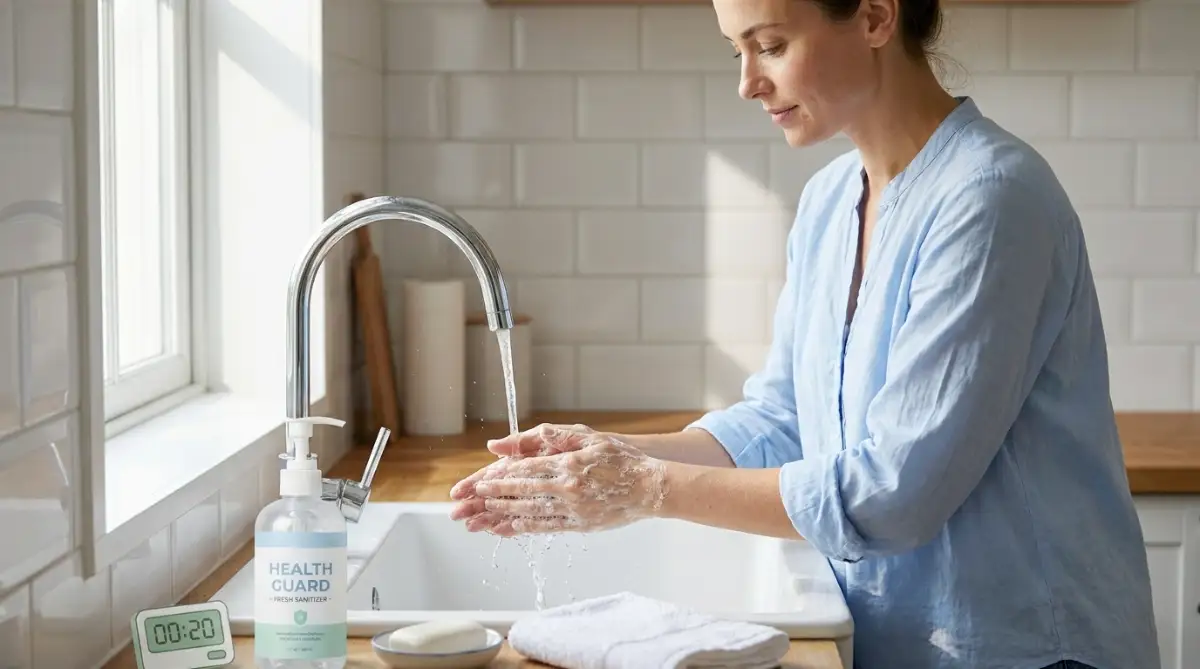
Step 4: Wash for About 20 Seconds
This gives the soap enough time to break down germs.
Step 5: Rinse Well
Use running water to wash everything away.
Step 6: Dry Completely
Use a clean towel or air dryer if available.
Dry hands are less likely to spread germs than wet ones.
Is Hand Sanitizer a Good Alternative?
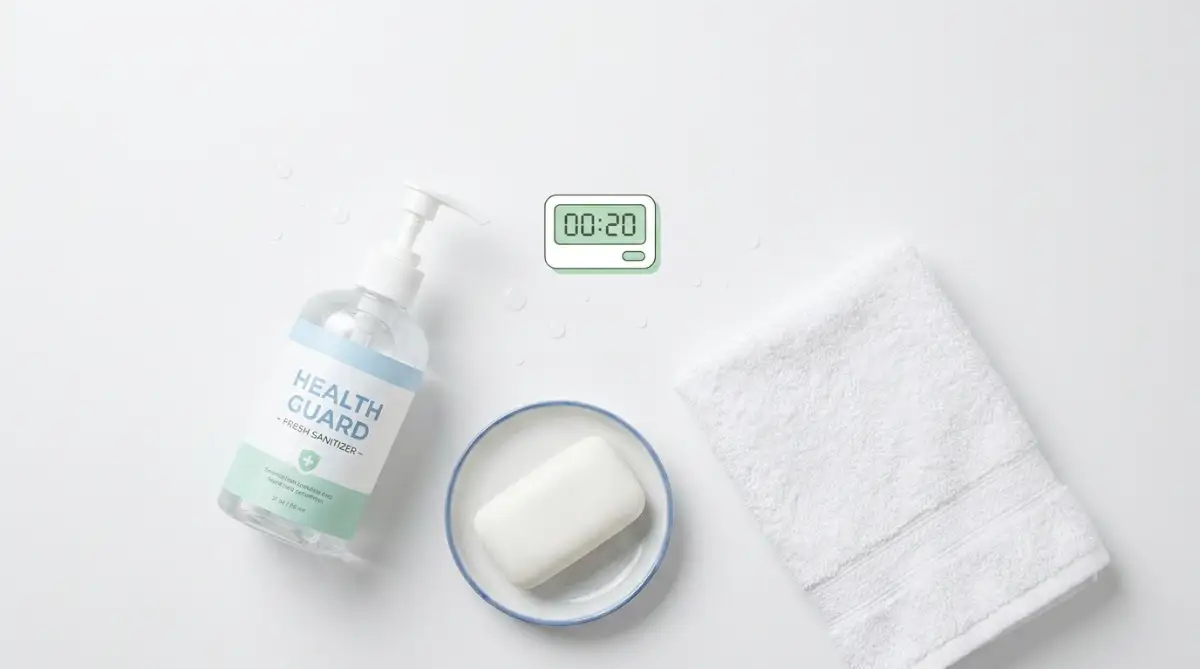
Alcohol-based hand sanitizers are useful when soap and water aren’t available.
They work well against many germs, especially when hands aren’t visibly dirty.
But they’re not always the best option.
Soap and water are better when:
- Hands are visibly dirty
- After gardening
- After handling raw meat
- After changing diapers
- After using the restroom
- After exposure to certain chemicals
Sanitizer is a good backup, but it shouldn’t fully replace handwashing.
Common Hand Hygiene Mistakes
Even people who wash their hands regularly sometimes miss a few things.
These include:
Washing Too Quickly
A few seconds usually isn’t enough.
Missing Key Areas
Thumbs, fingertips, and between fingers are often skipped.
Not Drying Hands Properly
Wet hands spread germs more easily.
Touching Dirty Surfaces Right After Washing
Like faucets or door handles.
Using Gloves Incorrectly
Gloves can still carry germs if not changed properly.
Why Children Should Learn Hand Hygiene Early
Kids naturally touch everything as they explore the world, which makes them more likely to spread germs.
Teaching handwashing early helps:
- Reduce school absences
- Build lifelong healthy habits
- Protect family members
- Encourage responsibility
Parents can make it fun with songs, colorful soap, or small rewards.
Hand Hygiene in Different Environments
Different places come with different risks.
At Home
Kitchen counters, bathroom surfaces, and remote controls can collect germs.
At School
Shared desks, books, and devices make hand hygiene important.
At Work
Keyboards, printers, and shared spaces are touched by many people.
During Travel
Public transport and airports expose you to lots of shared surfaces.
The Relationship Between Hand Hygiene and Food Safety
Clean hands are essential when handling food.
Always wash hands:
- Before cooking
- After handling raw meat or eggs
- After touching pets
- Before serving food
Food safety starts with clean hands.
Protecting People with Weaker Immune Systems
Some people are more vulnerable to infections, including:
- Older adults
- Young children
- Pregnant individuals
- People recovering from illness or surgery
- Those with weaker immune systems
Good hand hygiene helps protect them from avoidable infections.
Does Washing Hands Too Often Harm the Skin?
Frequent washing can sometimes dry out the skin, especially in cold weather.
To prevent this:
- Use gentle soap
- Avoid very hot water
- Moisturize regularly
- Rinse well after washing
Healthy skin actually helps protect against germs.
Building Hand Hygiene into Your Daily Routine
It’s easier to build the habit when you connect it to daily activities like:
- Coming home
- Before meals
- After using the restroom
- Before cooking
- After coughing or sneezing
- After using shared items
Over time, it becomes second nature.
Small Habits That Create Stronger Daily Protection
Practical Ways to Make Hand Hygiene a Lifelong Habit
Knowing when and how to wash your hands is only part of the equation. The real benefit comes from making hand hygiene something you do without even thinking about it. Habits that feel automatic are way more likely to stick than ones that rely on motivation in the moment.
One easy trick is to link handwashing to things you already do every day. For example, wash your hands right after you get home, before cooking, after handling deliveries, and before touching your face. Doing these things consistently helps it become second nature instead of something you have to remember.
It also helps to keep soap right where you need it. If handwashing is quick and convenient, you’re much more likely to actually do it.
Creating a Healthier Home Through Better Hygiene
Your home should feel safe and comfortable, but germs can still spread easily indoors if hygiene slips.
Some areas get touched all the time and need a bit more attention.
High-Touch Surfaces Include:
- Door handles
- Light switches
- Refrigerator handles
- TV remotes
- Mobile phones
- Computer keyboards
- Bathroom faucets
- Cabinet handles
- Stair railings
Cleaning these regularly, along with good hand hygiene, goes a long way toward keeping your home healthier.
Families can also get into simple routines like washing hands after coming home, before meals, and after using the bathroom. These shared habits really help cut down the spread of everyday illnesses.
Supporting Workplace Wellness
Shared equipment can easily spread germs.
Examples include:
- Office printers
- Shared computers
- Coffee machines
- Meeting room tables
- Payment terminals
- Elevator buttons
- Reception desks
When people keep up with regular hand hygiene, it helps reduce sick days and keeps the workplace safer for everyone.
Employers can support this by making handwashing stations easy to access and providing hand sanitizer where it makes sense.
Hand Hygiene During Cold and Flu Seasons
Respiratory illnesses tend to spread more easily when people are indoors and in closer contact.
During cold, flu, or other illness seasons, paying extra attention to hand hygiene really helps.
Simple habits include:
- Washing hands more often
- Avoiding touching your face too much
- Covering coughs and sneezes with a tissue or elbow
- Staying home when you’re sick if possible
- Cleaning frequently touched surfaces
Together, these small steps help reduce the spread of viruses.
Protecting Yourself While Traveling
Travel puts you in contact with a lot of shared surfaces, often touched by hundreds or even thousands of people.
Examples include:
- Airport security bins
- Boarding passes
- Public transportation rails
- Hotel elevators
- Public restrooms
- Ticket machines
- Shopping carts
A little planning makes hygiene much easier on the go.
Helpful travel habits include carrying hand sanitizer, washing hands before eating, avoiding touching your face, and washing up properly once you arrive.
These small steps can make travel a lot more comfortable and healthy.
Why Nail Care Is Part of Hand Hygiene
Clean hands aren’t just about washing.
Fingernails can trap dirt, bacteria, and debris, especially after gardening, cooking, outdoor activities, or hands-on work.
Keeping nails short and clean makes proper handwashing more effective.
If you use artificial nails or nail enhancements, it’s especially important to clean underneath them, since germs can build up more easily there.
Good nail care just supports good hand hygiene—it doesn’t replace it.
Skin Care Supports Better Protection
Healthy skin is part of your body’s natural defense system.
When hands get too dry or cracked, regular handwashing can become uncomfortable and harder to keep up.
Simple skin care habits include:
- Using gentle soaps
- Moisturizing after washing
- Wearing gloves for cleaning tasks
- Avoiding harsh chemicals when possible
- Staying hydrated
Comfortable skin makes it much easier to stick with good hygiene habits.
Myths That Can Lead to Poor Hygiene Decisions
There are a lot of misconceptions about hand hygiene that can lead people in the wrong direction.
Here are a few common ones:
Myth: If My Hands Look Clean, They Are Germ-Free
Reality: Germs are invisible. Hands can look clean and still carry microorganisms that cause illness.
Myth: Hot Water Kills All Germs During Handwashing
Reality: Soap and proper scrubbing matter far more than water temperature. Very hot water isn’t necessary and can dry out your skin.
Myth: Hand Sanitizer Always Replaces Soap
Reality: Sanitizer is helpful, but it doesn’t remove dirt or some contaminants as well as soap and water.
Myth: Wearing Gloves Means I Don't Need Hand Hygiene
Reality: Gloves can still get contaminated. You should still clean your hands before and after using them.
Encouraging Better Hand Hygiene in Children
Kids learn a lot by watching the adults around them.
Parents, teachers, and caregivers can help build strong habits by making handwashing part of everyday life instead of something that’s only mentioned occasionally.
Helpful approaches include:
- Showing proper technique
- Explaining why it matters in simple terms
- Praising consistency
- Using songs or timers
- Offering kid-friendly soap
Positive early experiences often turn into lifelong habits.
Hand Hygiene for Older Adults
Older adults may need extra attention when it comes to infection prevention.
Weaker immune systems, ongoing health conditions, and more frequent medical visits can increase exposure to illness.
Easy access to sinks, simple soap dispensers, and clean towels can also make a big difference.
How Communities Benefit From Better Hygiene
Hand hygiene doesn’t just protect individuals—it helps everyone.
Schools see fewer outbreaks.
Healthcare settings become safer.
Workplaces stay healthier.
Families deal with fewer preventable illnesses.
Public spaces become less risky when more people practice good hygiene.
Every small action adds up.
Everyday Situations Where People Commonly Forget to Wash Their Hands
Even people with good habits sometimes miss key moments.
For example:
- After handling grocery bags
- After using gym equipment
- After fueling a car
- After using ATMs
- After touching shopping baskets
- Before taking medication
- After handling pet food
- After opening packages
- Before putting in contact lenses
Noticing these moments helps build stronger routines.
Building Consistency Instead of Perfection
Nobody gets it right 100% of the time.
Life gets busy, things come up, and routines slip.
Instead of aiming for perfection, focus on being consistent.
Every time you remember to wash your hands at the right moment, you’re reinforcing a good habit.
Small, repeated actions make the biggest difference over time.
Frequently Asked Questions
How long should I wash my hands?
About 20 seconds of scrubbing with soap, followed by a good rinse, is generally recommended.
Is antibacterial soap necessary?
For everyday use, regular soap works just fine when used properly. Technique matters more than special products.
Should I wash my hands after handling my phone?
Yes, especially before eating or preparing food, since phones pick up germs from many surfaces.
Can excessive handwashing damage the skin?
It can cause dryness for some people. Using gentle soap and moisturizing helps prevent irritation.
When is hand sanitizer most useful?
When soap and water aren’t available and your hands aren’t visibly dirty.
Key Takeaways
Every time you wash your hands properly, you reduce the chance of spreading germs to others. You also help protect people who may be more vulnerable, like children, older adults, and those with weaker immune systems.
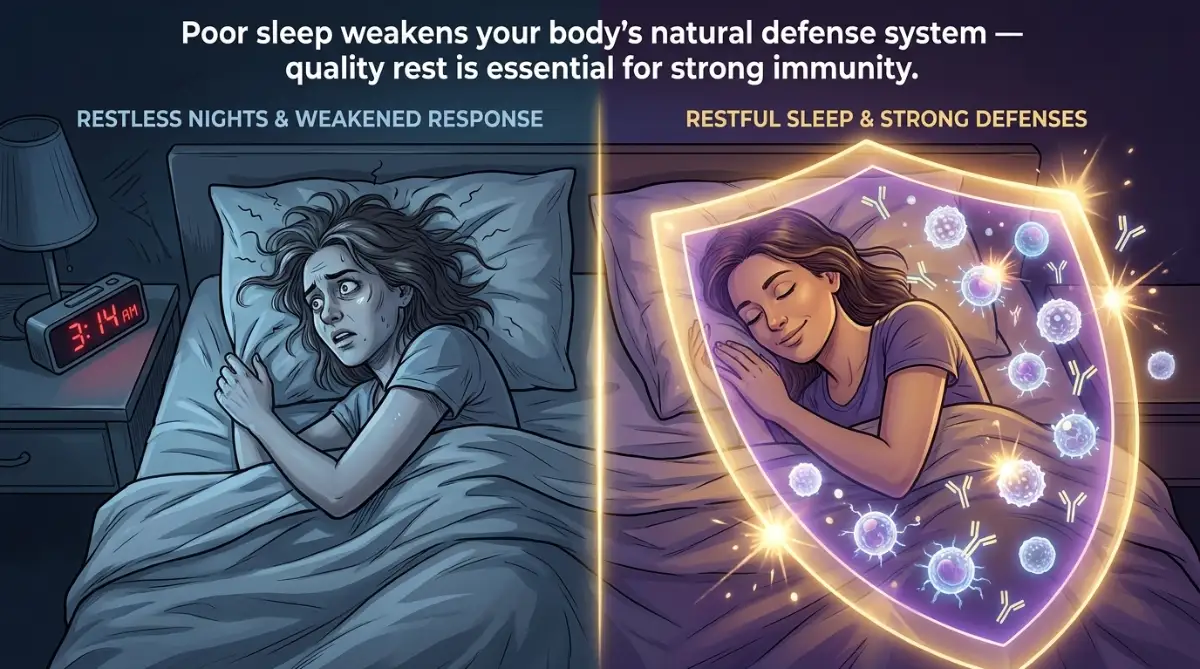
Instead of thinking of hand hygiene as something extra, treat it like a normal part of your day. When combined with other healthy habits like good sleep, balanced nutrition, exercise, and vaccinations when needed, it becomes a strong foundation for overall well-being.
Simple habits really do matter. By staying consistent, paying attention to key moments, and encouraging others to do the same, you help create a healthier environment for everyone around you.
Disclaimer
This article is intended for educational and informational purposes only and should not be considered medical advice, diagnosis, or treatment. Hand hygiene is an important part of infection prevention, but it does not eliminate all health risks or replace professional medical care. If you have persistent symptoms, concerns about an infection, or questions about your health, consult a qualified healthcare professional.