Why Everyday Germ Exposure Matters More Than Most People Realize
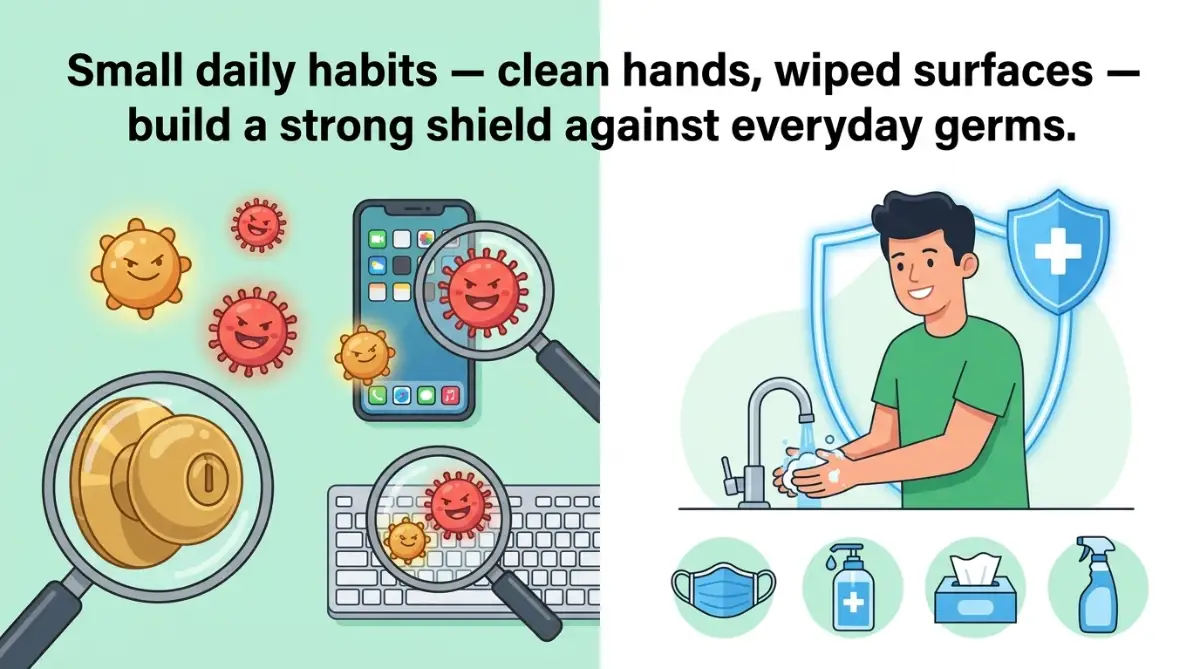
Germs are a natural part of everyday life. They exist in the air we breathe, on the surfaces we touch, on our phones, keyboards, shopping carts, door handles, and even on our own skin. While many microorganisms are harmless or even beneficial, others can contribute to illness when they enter the body through the eyes, nose, mouth, or damaged skin.
Completely avoiding germs is neither possible nor necessary. The goal is not to live in fear of bacteria or viruses but to develop practical habits that lower unnecessary exposure while allowing your immune system to function naturally.
The good news is that protecting yourself does not require expensive equipment or complicated routines. Small, consistent lifestyle habits often make a greater difference than occasional deep cleaning or excessive use of disinfectants.
This guide explores practical, science-informed strategies that can help reduce exposure to everyday germs while creating a healthier environment for yourself and those around you.
Understanding Where Germs Commonly Spread
Before discussing prevention strategies, it helps to understand where germs are most likely to spread.
Common sources include:
- Frequently touched surfaces
- Shared electronic devices
- Public transportation
- Grocery store carts
- Elevator buttons
- Door handles
- Office desks
- Kitchen countertops
- Bathroom fixtures
- Mobile phones
Knowing these common exposure points makes it easier to build smarter daily habits.
How Germs Enter the Body
Exposure alone does not always cause illness. Germs typically need a pathway into the body.
Common entry points include:
- Touching the eyes
- Rubbing the nose
- Touching the mouth
- Eating with unwashed hands
- Open cuts or wounds
- Inhaling respiratory droplets
Because people often touch their faces without realizing it, reducing this unconscious habit can significantly decrease opportunities for germs to enter the body.
The Importance of Consistency Over Perfection
Many people believe staying healthy requires constant sanitizing and aggressive cleaning.
In reality, health experts generally recommend consistent hygiene practices rather than trying to eliminate every microorganism. Excessive cleaning may not always provide additional benefits and can sometimes irritate the skin or encourage unnecessary anxiety.
Instead, focus on realistic routines you can maintain every day.
A few reliable habits performed consistently usually have a greater impact than occasional intensive cleaning sessions.
Start with Proper Hand Hygiene
Hand hygiene remains one of the most effective ways to reduce exposure to harmful germs.
Your hands interact with dozens of objects every hour, making them one of the primary ways germs travel.
Wash your hands:
- Before eating
- Before preparing food
- After using the restroom
- After coughing or sneezing
- After handling garbage
- After returning home
- After touching shared public surfaces
- Before touching your face
Use soap and clean running water while washing all areas of the hands, including between the fingers, thumbs, fingertips, and under the nails.
Drying your hands thoroughly is also important since moisture can allow microorganisms to transfer more easily.
Keep Your Mobile Phone Clean
Modern smartphones travel almost everywhere with us.
They are often used:
- During meals
- In public places
- At work
- In vehicles
- While exercising
- After touching shared objects
Despite constant use, many people rarely clean their phones.
Regularly wiping your device according to the manufacturer's cleaning recommendations can help reduce accumulated dirt and microorganisms.
Avoid using harsh chemicals that could damage the screen or protective coatings.
Avoid Touching Your Face Unnecessarily
Studies have shown that people touch their faces many times throughout the day without noticing.
Every contact creates another opportunity for germs on the hands to reach the eyes, nose, or mouth.
Helpful strategies include:
- Keeping hands occupied when possible
- Using tissues when rubbing the nose
- Washing hands before adjusting contact lenses
- Being mindful during work or studying
Developing awareness of this habit can gradually reduce unnecessary face touching.
Practice Safe Food Handling
The kitchen is another area where germs can spread if proper hygiene is ignored.
Simple food safety practices include:
- Washing hands before cooking
- Cleaning cutting boards regularly
- Separating raw meat from ready-to-eat foods
- Washing fruits and vegetables appropriately
- Refrigerating perishable foods promptly
- Cooking foods to safe temperatures
Cross-contamination is one of the easiest ways germs move from one food item to another.
Keeping preparation areas organized helps lower this risk.
Clean Frequently Touched Household Surfaces
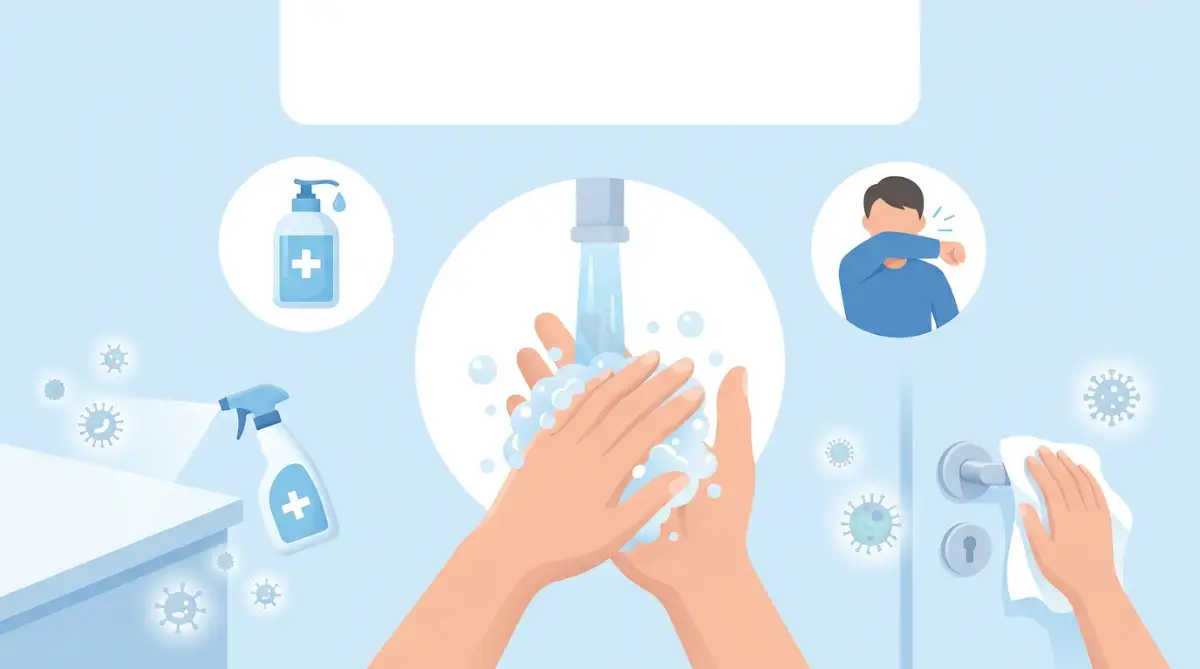
Some household areas deserve more attention than others.
Examples include:
- Light switches
- Refrigerator handles
- Cabinet handles
- TV remotes
- Computer keyboards
- Computer mouse
- Door handles
- Faucet handles
You do not necessarily need to disinfect every surface every day. A practical cleaning schedule that fits your household is usually sufficient.
Improve Indoor Air Quality Naturally
Fresh air plays an important role in maintaining a healthier indoor environment.
When weather and safety allow:
- Open windows periodically
- Improve ventilation
- Use kitchen exhaust fans
- Use bathroom ventilation fans
- Reduce indoor humidity when necessary
Better airflow may help reduce the concentration of certain airborne particles inside enclosed spaces.
Good ventilation also contributes to overall indoor comfort.
Practice Good Respiratory Etiquette
Respiratory droplets are one of the most common ways many illnesses spread.
Helpful habits include:
- Covering coughs and sneezes with a tissue or elbow
- Disposing of tissues properly
- Washing hands afterward
- Staying home when feeling unwell if possible
These simple actions help protect both yourself and the people around you.
Do Not Forget Personal Items
Many everyday objects receive little attention despite constant handling.
These include:
- Eyeglasses
- Wallets
- Reusable shopping bags
- Keys
- Water bottles
- Headphones
- Fitness equipment
Cleaning these items periodically can become another useful part of your routine.
Build Healthier Habits When Using Public Spaces
Public places are part of daily life, and avoiding them completely is unrealistic. Instead of worrying about every surface you touch, focus on practical habits that reduce unnecessary exposure to germs while allowing you to go about your day with confidence.
When visiting shopping centers, offices, schools, gyms, or public transportation, try to:
- Wash or sanitize your hands after touching frequently used surfaces.
- Avoid eating before cleaning your hands.
- Carry tissues to avoid touching your face directly.
- Keep personal belongings such as phones and water bottles separate from public surfaces whenever possible.
- Dispose of used tissues properly.
These simple precautions become second nature over time and require very little effort once they become part of your routine.
Make Your Workplace a Cleaner Environment
Many people spend a significant portion of the day at work, making workplace hygiene an important part of overall health protection.
Items that deserve regular attention include:
- Computer keyboard
- Mouse
- Desk surface
- Telephone
- Headphones
- Reusable coffee mugs
- Water bottles
If you share equipment with coworkers, cleaning commonly touched surfaces before and after use may help reduce the spread of germs.
Good workplace habits also include:
- Washing hands before meals
- Keeping snacks in clean containers
- Avoiding clutter that collects dust
- Improving desk organization
- Staying home when experiencing contagious symptoms whenever possible
A cleaner workspace often supports both productivity and personal well-being.
Keep Your Bathroom Hygienic Without Overcomplicating It
Bathrooms naturally contain moisture, making regular cleaning important.
Simple practices include:
- Cleaning sink handles regularly
- Washing bath towels frequently
- Replacing toothbrushes as recommended
- Keeping toothbrushes dry between uses
- Cleaning toilet handles and flush buttons
- Emptying trash bins regularly
If multiple family members share one bathroom, maintaining a consistent cleaning schedule helps reduce the accumulation of dirt and microorganisms.
Ventilation is equally important because reducing excess humidity may discourage mold growth.
Smart Habits for Families with Children
Young children naturally explore the world by touching objects and frequently putting their hands near their mouths.
Parents and caregivers can encourage healthier routines by:
- Teaching proper handwashing from an early age
- Cleaning frequently used toys
- Encouraging children to cover coughs and sneezes
- Washing reusable bottles and lunch containers thoroughly
- Keeping commonly shared play areas clean
Children learn by observing adults, so modeling healthy hygiene behaviors often has a greater impact than repeated reminders.
Don't Overlook Pet Hygiene
Pets provide companionship and emotional benefits, but they can also bring dirt and microorganisms into the home.
Healthy pet care includes:
- Washing hands after handling pet waste
- Cleaning food and water bowls regularly
- Keeping pet bedding clean
- Following routine veterinary care
- Grooming pets appropriately
There is usually no need to avoid normal interaction with healthy pets. Basic hygiene practices are generally sufficient for most households.
Travel Smarter Without Becoming Overly Concerned
Travel introduces new environments and increased contact with shared surfaces.
Whether traveling by bus, train, airplane, or taxi, a few habits can make a meaningful difference.
Consider:
- Carrying a small bottle of hand sanitizer for situations where soap and water are unavailable.
- Washing hands before eating.
- Avoiding touching your face unnecessarily.
- Staying hydrated during long trips.
- Keeping reusable water bottles clean.
- Wiping down personal travel accessories if needed.
The goal is to stay prepared rather than anxious.
Support Your Body's Natural Defenses
Reducing exposure to germs is only one side of the equation. Supporting your body's natural defense system is equally important.
Healthy lifestyle habits include:
Prioritize Quality Sleep
Adequate sleep supports many important body functions, including normal immune system activity.
Poor sleep over long periods may reduce your body's ability to respond effectively to everyday health challenges.
Aim for a consistent sleep schedule whenever possible.
Eat a Balanced Diet
A nutritious eating pattern provides vitamins, minerals, protein, healthy fats, and fiber that support overall health.
Try to include:
- Colorful vegetables
- Fresh fruits
- Whole grains
- Lean protein sources
- Healthy fats
- Plenty of water
Rather than focusing on individual "superfoods," prioritize variety and balance.
Stay Physically Active
Regular movement supports circulation, cardiovascular health, and overall wellness.
Activities may include:
- Walking
- Cycling
- Swimming
- Strength training
- Stretching
- Gardening
Choose activities you enjoy so they become sustainable long-term habits.
Manage Everyday Stress
Long-term stress may affect sleep, eating habits, and overall well-being.
Helpful stress-management techniques include:
- Deep breathing exercises
- Spending time outdoors
- Reading
- Meditation
- Talking with trusted friends or family
- Engaging in enjoyable hobbies
Healthy mental well-being often supports healthy physical habits.
Common Hygiene Mistakes That Many People Make
Even people who care about cleanliness sometimes develop habits that unintentionally increase exposure to germs.
Examples include:
Washing Hands Too Quickly
A rushed rinse without properly cleaning all areas may leave dirt and microorganisms behind.
Forgetting Fingertips and Thumbs
These areas touch many surfaces but are commonly missed during handwashing.
Pay special attention to:
- Fingertips
- Under fingernails
- Between fingers
- Thumbs
- Wrists
Cleaning Without Replacing Dirty Cloths
Using dirty cleaning cloths repeatedly may spread germs instead of removing them.
Wash reusable cloths regularly and allow them to dry completely.
Ignoring Frequently Touched Electronics
Phones, tablets, keyboards, and remote controls are often overlooked despite constant daily use.
Adding them to your regular cleaning routine can make a noticeable difference.
Sharing Personal Items
Avoid sharing items such as:
- Toothbrushes
- Razors
- Towels
- Water bottles
- Eating utensils when appropriate
Personal items should remain personal whenever possible.
Creating a Sustainable Daily Hygiene Routine
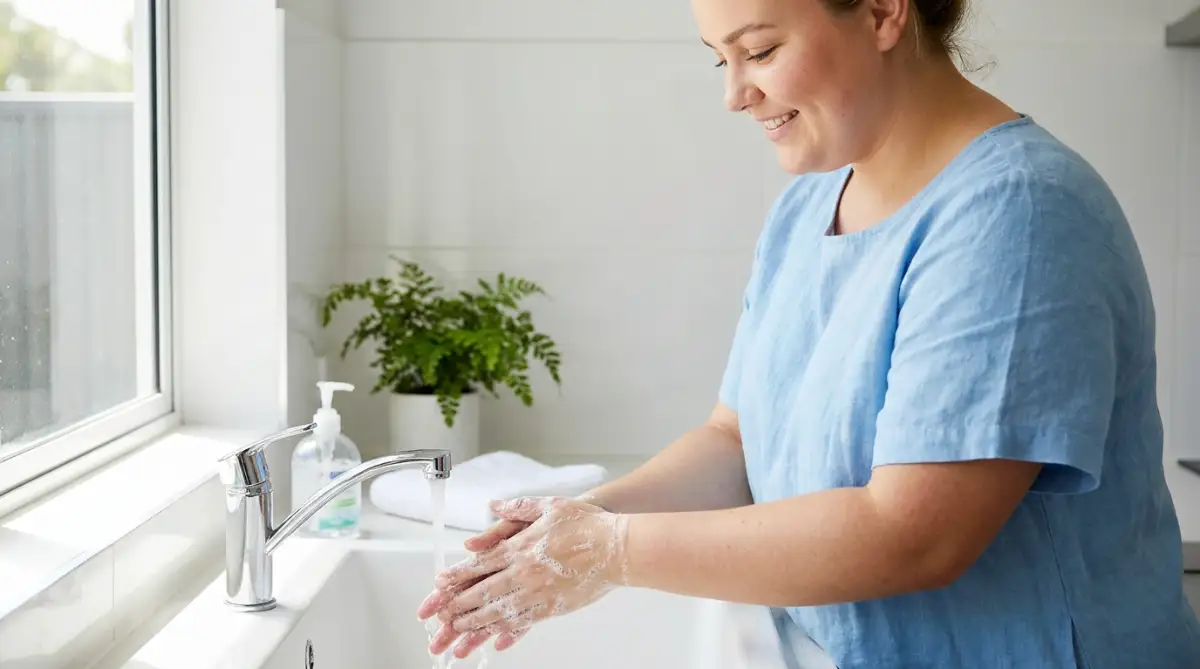
Healthy habits are easier to maintain when they fit naturally into your lifestyle.
Consider creating simple routines such as:
Morning
- Wash hands after using the bathroom.
- Prepare breakfast on clean surfaces.
- Fill a clean reusable water bottle.
During the Day
- Wash hands before meals.
- Avoid unnecessary face touching.
- Keep your workspace organized.
- Stay hydrated.
Evening
- Clean frequently touched household items.
- Wash reusable containers.
- Prepare clean clothes if needed.
- Practice good personal hygiene before bed.
Small daily actions often have a greater long-term impact than occasional intensive cleaning sessions.
When Professional Medical Advice Is Important
While everyday hygiene reduces exposure to many germs, it cannot prevent every illness.
Seek medical advice if symptoms are severe, persistent, or worsening, especially if they include:
- High fever
- Difficulty breathing
- Persistent vomiting
- Severe dehydration
- Confusion
- Chest pain
- Symptoms that do not improve or become progressively worse
Prompt evaluation by a qualified healthcare professional helps ensure appropriate diagnosis and treatment.
Avoid self-diagnosing serious conditions based solely on online information.
Building Long-Term Confidence Through Healthy Daily Choices
Living in a world filled with germs does not mean living in constant fear. The most effective approach is not perfection but consistency. Every thoughtful habit—from washing your hands before meals and cleaning frequently touched surfaces to maintaining good sleep, balanced nutrition, and regular physical activity—works together to lower unnecessary exposure while supporting your body's natural defenses.
Remember that germs are a normal part of life, and many microorganisms are harmless or even beneficial. The goal is to reduce avoidable risks through practical, evidence-informed habits that are easy to maintain over time. By focusing on simple daily routines instead of extreme cleaning measures, you can create a healthier environment for yourself, your family, and those around you.
Disclaimer
This article is intended for educational and informational purposes only. It does not replace professional medical advice, diagnosis, or treatment. If you have persistent symptoms, an underlying medical condition, or concerns about your health, consult a qualified healthcare professional. Always follow guidance from your local healthcare authorities and your healthcare provider regarding hygiene, infection prevention, and personal health.