The Hidden Health Risks of Sitting for Long Hours Every Day
Modern life has made sitting almost unavoidable. Whether you're working at a desk, studying, driving, watching television, or scrolling through your phone, many daily activities involve long periods of sitting. While this lifestyle may seem harmless, research has consistently shown that spending too much time seated can quietly affect nearly every system in the body.
Many people focus on eating healthy foods or exercising a few times a week but overlook the amount of time they spend sitting every day. Unfortunately, regular exercise alone may not completely offset the health risks associated with prolonged sitting if the rest of the day is spent being inactive.
Understanding these hidden risks is the first step toward building healthier daily habits. Small changes throughout the day can make a significant difference in protecting your long-term health.
Why Sitting for Long Hours Has Become So Common
Technology has transformed the way people work and relax. Office jobs require employees to sit in front of computers for hours. Students attend online classes and complete assignments digitally. Entertainment is now available on demand through televisions, smartphones, and gaming devices.
As a result, many adults spend most of their waking hours sitting without even realizing it.
Common situations include:
- Working at a computer
- Driving long distances
- Watching television
- Using mobile devices
- Reading or studying
- Playing video games
- Attending meetings
While sitting itself is not harmful, remaining in the same position for extended periods without movement creates problems that gradually build over time.
What Happens Inside Your Body When You Sit Too Long?
Your body is designed for movement. Muscles, joints, blood vessels, and organs all function more efficiently when you move regularly.
When you remain seated for hours:
- Muscles become less active.
- Blood circulation slows down.
- Calories are burned at a lower rate.
- Blood sugar regulation becomes less efficient.
- Fat metabolism decreases.
- Joint flexibility gradually reduces.
These changes may seem small at first, but repeating them every day can contribute to long-term health concerns.
Increased Risk of Heart Disease
One of the most concerning effects of prolonged sitting is its impact on heart health.
Reduced movement means your heart does not receive the same benefits that regular physical activity provides. Over time, inactive lifestyles may contribute to:
- Higher blood pressure
- Poor cholesterol balance
- Reduced blood circulation
- Increased inflammation
Together, these factors may increase the risk of cardiovascular disease.
People who combine long sitting hours with poor eating habits, smoking, or lack of exercise may face an even greater risk.
Sitting Can Affect Blood Sugar Control
Your muscles play an important role in using glucose from your bloodstream.
When you stay inactive for long periods, muscles require less energy. This means they remove less glucose from the blood, making blood sugar levels more difficult to regulate.
Over time, prolonged inactivity may contribute to:
- Reduced insulin sensitivity
- Higher blood sugar levels
- Greater risk of developing type 2 diabetes
- Difficulty managing existing diabetes
Standing up and moving for a few minutes throughout the day can help activate large muscle groups and support healthier glucose regulation.
Weight Gain Often Happens Gradually
Many people associate weight gain only with eating too much. However, physical inactivity also plays an important role.
Sitting burns fewer calories than standing or walking. Although the difference may seem small hour by hour, it adds up over weeks, months, and years.
Combined with frequent snacking or sugary drinks, long periods of sitting can contribute to excess body fat.
Maintaining a healthy weight depends on balancing both nutrition and daily movement.

Your Muscles Become Weaker
The human body adapts to the activities performed most often.
When muscles remain inactive:
- Leg muscles lose strength.
- Hip muscles become tight.
- Core muscles weaken.
- Glute muscles become less active.
- Overall stability decreases.
Weak muscles can increase the likelihood of poor posture, balance problems, and discomfort during everyday activities.
Regular stretching and strength-building exercises help counteract these effects.
Poor Posture Leads to Chronic Pain
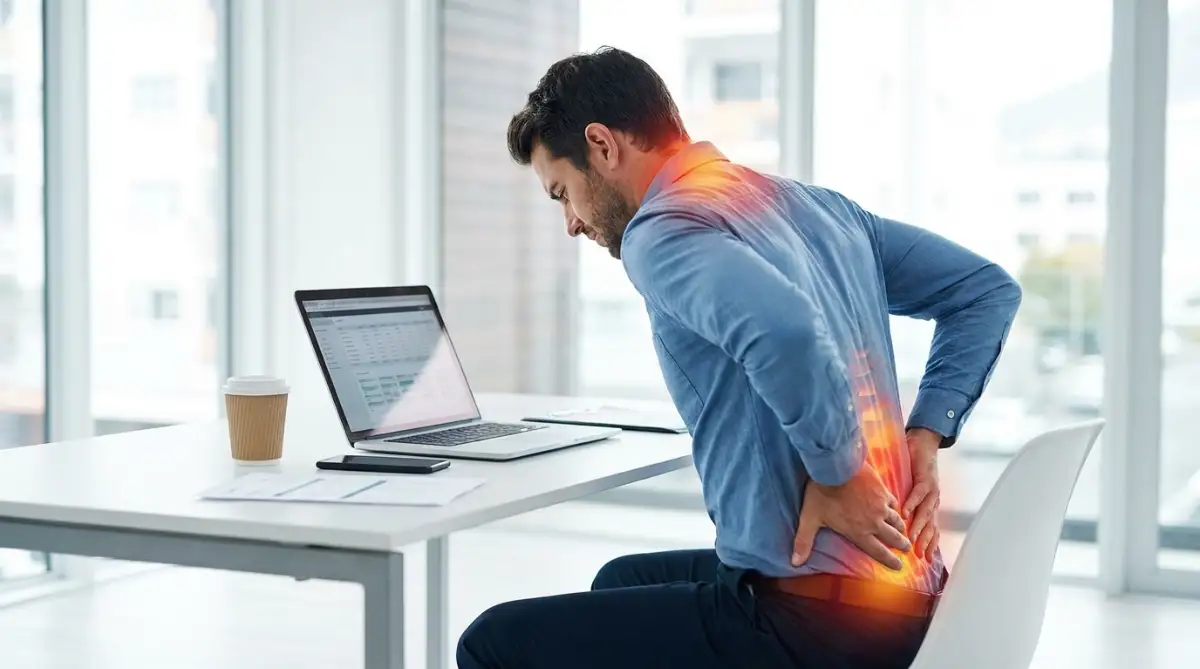
Many people unknowingly sit with rounded shoulders, a forward head position, or a curved lower back.
Over time, poor sitting posture places additional stress on muscles and joints.
Common complaints include:
- Neck stiffness
- Shoulder pain
- Lower back pain
- Hip discomfort
- Wrist strain
- Upper back tension
An ergonomic workspace and frequent posture adjustments can help reduce these problems.
Reduced Blood Circulation
When sitting for extended periods, blood flow through the legs slows down.
This may cause:
- Swollen ankles
- Heavy legs
- Tingling sensations
- Mild discomfort
In some situations, prolonged immobility may increase the risk of blood clots, particularly during long flights or extended travel.
People with existing circulation problems should speak with a healthcare professional for personalized advice.
Brain Function May Also Be Affected
Movement supports healthy blood circulation, including blood flow to the brain.
While sitting itself does not directly damage brain cells, excessive inactivity may influence:
- Concentration
- Alertness
- Mental energy
- Productivity
Many people notice improved focus after taking a short walk or stretching for a few minutes.
Regular movement breaks may help improve both physical comfort and mental performance.
Digestive Health Can Slow Down
Remaining seated immediately after large meals may contribute to digestive discomfort in some people.
Some individuals experience:
- Bloating
- Mild constipation
- Slower digestion
- Abdominal discomfort
Although digestion depends on many factors, incorporating gentle movement after meals may support normal digestive function.
Walking for several minutes after eating is often a simple habit that encourages better digestion.
Joint Flexibility Gradually Declines
Healthy joints rely on movement to maintain flexibility.
When you sit for long periods every day:
- Hip joints become tighter.
- Hamstrings shorten.
- Lower back flexibility decreases.
- Ankles move less freely.
Reduced flexibility may make everyday movements feel more difficult over time.
Gentle stretching routines can help maintain mobility and reduce stiffness.
Eye Strain Often Accompanies Long Sitting Sessions
Many people who sit for extended periods also spend those hours looking at digital screens.
This combination may increase symptoms such as:
- Dry eyes
- Blurred vision
- Eye fatigue
- Headaches
Following regular screen breaks and adjusting monitor height can reduce visual strain while encouraging movement at the same time.
Sleep Quality May Be Affected
Physical activity plays an important role in maintaining healthy sleep patterns.
People who spend most of the day inactive may experience:
- Difficulty falling asleep
- Less refreshing sleep
- Reduced daytime energy
Regular daily movement can help regulate natural sleep cycles and improve overall well-being.
Is Exercise Enough to Cancel Out Long Sitting Hours?
Many people assume that one workout completely eliminates the effects of sitting all day.
While regular exercise provides enormous health benefits, experts increasingly emphasize that reducing total sitting time is also important.
The healthiest routine combines:
- Daily physical activity
- Frequent movement breaks
- Good posture
- Strength training
- Stretching
- Balanced nutrition
Rather than thinking only about exercise sessions, it helps to think about movement throughout the entire day.
Who Faces the Highest Risk?
Certain groups are more likely to spend long hours sitting, including:
- Office workers
- Remote employees
- Students
- Professional drivers
- Gamers
- Graphic designers
- Software developers
- Call center employees
If your daily routine requires prolonged sitting, becoming aware of these risks allows you to make healthier choices without changing your career.
Warning Signs Your Body Needs More Movement
Your body often provides early signals before more serious problems develop.
Watch for symptoms such as:
- Frequent back pain
- Tight hips
- Stiff neck
- Reduced flexibility
- Low energy
- Poor posture
- Weight gain
- Swollen legs
- Muscle weakness
- Difficulty concentrating
These symptoms may have many different causes, so persistent or severe problems should always be evaluated by a qualified healthcare professional.
Small Daily Habits That Make a Big Difference
Protecting your health does not always require dramatic lifestyle changes.
Simple habits can gradually reduce the negative effects of prolonged sitting:
- Stand up every 30 to 60 minutes.
- Walk while talking on the phone.
- Stretch your shoulders and hips regularly.
- Adjust your chair and monitor for better posture.
- Take the stairs when possible.
- Walk during short breaks.
- Drink enough water throughout the day.
- Perform light mobility exercises in the morning and evening.
- Use reminders to move if you often lose track of time.
- Include regular physical activity in your weekly routine.
These small actions become much easier when practiced consistently.
Building a Healthier Routine Starts with Awareness
Long hours of sitting have become a normal part of modern life, but normal does not always mean healthy. The effects often develop slowly, making them easy to overlook until discomfort or chronic health problems begin to appear.
Fortunately, reducing these risks does not require perfection. Standing more often, moving throughout the day, maintaining good posture, and staying physically active can all contribute to better heart health, stronger muscles, improved circulation, and greater overall well-being.
Every step you take away from prolonged sitting is a step toward protecting your body for the future. Making movement a regular part of your daily routine is one of the simplest and most effective investments you can make in your long-term health.
Practical Daily Strategies to Reduce the Health Risks of Prolonged Sitting
Knowing that prolonged sitting can affect your health is only the beginning. The next step is turning that knowledge into daily habits that are realistic and sustainable. You do not need to redesign your entire lifestyle overnight. Instead, focus on making small improvements that fit naturally into your schedule.
One of the easiest strategies is to avoid remaining seated for extended, uninterrupted periods. Even a brief movement break can help activate your muscles, improve circulation, and reduce stiffness.
Here are a few practical ideas:
- Stand while taking phone calls.
- Walk to refill your water bottle instead of keeping a large bottle at your desk.
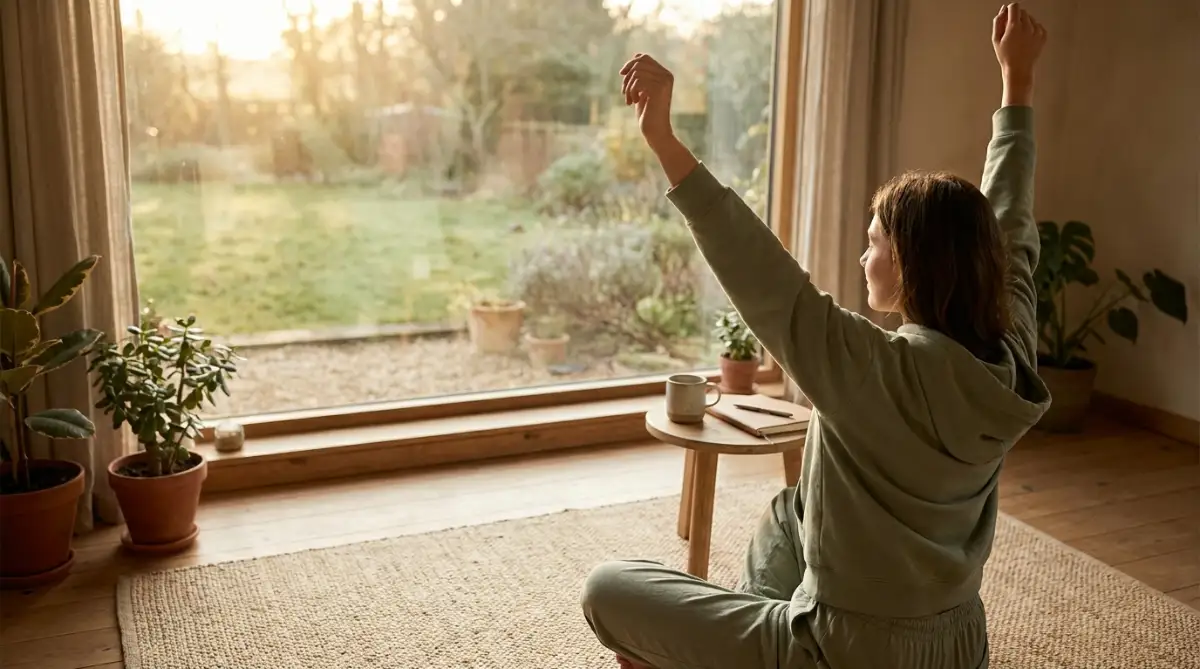
- Stretch your shoulders, neck, and legs during work breaks.
- Park slightly farther away from your destination when possible.
- Choose stairs instead of elevators for short distances.
- Walk for a few minutes after meals if your health condition allows.
The goal is not constant exercise but consistent movement throughout the day.
Creating a Healthier Workspace
Whether you work from home or in an office, your workspace can influence your posture, comfort, and overall health.
Consider these ergonomic recommendations:
Adjust Your Chair
Your feet should rest flat on the floor, while your knees remain close to a ninety-degree angle. Your chair should support the natural curve of your lower back.
Position Your Screen Correctly
The top of your monitor should be approximately at eye level. Looking too far down or too far up places unnecessary strain on the neck.
Keep Frequently Used Items Nearby
Items such as your keyboard, mouse, notebook, and phone should be easy to reach without excessive twisting or stretching.
Support Your Wrists
Neutral wrist positioning may help reduce strain during extended computer use.
A comfortable workstation cannot eliminate all risks associated with sitting, but it can significantly reduce physical stress.
The Importance of Regular Stretching
Stretching helps maintain flexibility while reducing muscle tightness caused by prolonged sitting.
Focus on areas that commonly become stiff:
Neck Stretch
Slowly tilt your head toward each shoulder without forcing the movement.
Chest Stretch
Open your shoulders by gently stretching the chest muscles.
Hip Flexor Stretch
Long periods of sitting shorten the hip flexor muscles. Gentle stretching can improve mobility.
Hamstring Stretch
Stretching the back of the thighs may reduce stiffness after extended sitting.
Calf Stretch
Improved flexibility in the lower legs supports healthier movement patterns.
Stretch slowly and comfortably without bouncing. If you experience pain, stop the movement and seek professional guidance.
Strength Training Supports Better Posture
Strong muscles make it easier to maintain healthy posture throughout the day.
Exercises that strengthen the following areas are particularly beneficial:
- Core muscles
- Glute muscles
- Upper back
- Legs
- Shoulders
Simple bodyweight exercises such as squats, bridges, wall push-ups, and bird-dog exercises can often be performed at home with minimal equipment.
Always choose exercises appropriate for your fitness level.
How Walking Benefits Nearly Every Body System
Walking is one of the most accessible forms of physical activity.
Regular walking may help:
- Improve circulation
- Support heart health
- Burn additional calories
- Improve mood
- Reduce muscle stiffness
- Maintain joint mobility
- Support blood sugar management
- Increase daily energy
Even short walks accumulated throughout the day can contribute to better overall health.
Staying Active During Long Workdays
Busy schedules often make movement feel difficult, but planning ahead can help.
Try these practical techniques:
- Set reminders to stand every hour.
- Schedule walking breaks into your calendar.
- Hold walking meetings when appropriate.
- Stretch while waiting for files to download.
- Walk around during virtual meetings if your camera is off.
- Perform gentle leg movements while sitting if standing is temporarily impossible.
Small actions repeated consistently often produce meaningful long-term benefits.
Healthy Habits for Students
Students frequently spend many hours studying, attending classes, and using computers.
Healthy study habits include:
- Taking movement breaks between study sessions.
- Changing sitting positions regularly.
- Reviewing notes while standing occasionally.
- Walking after completing assignments.
- Maintaining proper lighting to reduce eye strain.
These habits support both physical health and concentration.

Tips for Older Adults
As people age, maintaining mobility becomes increasingly important.
Older adults should aim to include regular movement throughout the day whenever medically appropriate.
Suitable activities may include:
- Gentle walking
- Chair exercises
- Light stretching
- Balance exercises
- Flexibility routines
Individuals with chronic medical conditions should consult their healthcare provider before beginning a new exercise routine.
Supporting Children's Healthy Movement
Children naturally enjoy movement, but screen time can reduce daily physical activity.
Parents and caregivers can encourage healthier habits by:
- Limiting prolonged recreational screen time.
- Promoting outdoor play.
- Taking family walks.
- Encouraging active hobbies.
- Providing regular opportunities for movement during homework sessions.
Developing healthy movement habits early in life supports lifelong wellness.
Common Habits That Increase the Risks of Sitting
Many people unknowingly make choices that increase the negative effects of prolonged sitting.
Some examples include:
Skipping Movement Breaks
Working continuously for several hours without standing allows stiffness and reduced circulation to develop.
Slouching
Poor posture increases stress on muscles, joints, and the spine.
Ignoring Discomfort
Persistent pain should not simply be accepted as a normal part of office work.
Depending Only on Weekend Exercise
Being active only once or twice each week cannot fully replace regular daily movement.
Sitting Immediately After Every Meal
Gentle movement after eating may support digestion for many people.
Recognizing these habits makes it easier to replace them with healthier alternatives.
Frequently Asked Questions
How many hours of sitting is considered too much?
There is no single number that applies to everyone. However, spending many consecutive hours sitting without movement is generally considered less healthy than breaking up sitting time with regular activity.
Is standing all day better than sitting all day?
Standing continuously may also create discomfort and fatigue. The healthiest approach is alternating between sitting, standing, walking, and stretching throughout the day.
Can regular exercise reduce the risks of prolonged sitting?
Regular exercise provides many health benefits and is strongly recommended. However, combining exercise with frequent movement during the day offers greater overall protection than relying on exercise alone.
Does working from home increase sitting time?
For many people, remote work may reduce incidental movement, such as walking between offices or commuting. Creating intentional movement breaks becomes especially important when working from home.
Should I buy a standing desk?
A standing desk may help some individuals alternate between sitting and standing. However, it works best when combined with regular walking and movement rather than prolonged standing.
Building Long-Term Healthy Habits
Lifestyle changes are more likely to last when they are realistic.
Instead of making dramatic changes, consider adding one new healthy habit every week.
For example:
- Week one: Stand every hour.
- Week two: Walk for ten minutes after lunch.
- Week three: Stretch each morning.
- Week four: Improve workstation ergonomics.
Small improvements become powerful when practiced consistently over time.
When Should You Seek Medical Advice?
Occasional stiffness after sitting is common, but some symptoms deserve medical evaluation.
Contact a qualified healthcare professional if you experience:
- Persistent back pain
- Severe neck pain
- Ongoing numbness or weakness
- Leg swelling that does not improve
- Chest pain
- Shortness of breath
- Sudden difficulty walking
- Unexplained dizziness
These symptoms may have causes unrelated to sitting and should not be ignored.
Making Daily Movement a Natural Part of Life
Protecting your health is not about avoiding chairs completely. Sitting is a normal part of work, education, travel, and relaxation. The real goal is preventing long periods of uninterrupted inactivity.
By standing more often, stretching regularly, improving posture, strengthening your muscles, and including simple movement throughout your day, you can support your heart, joints, muscles, metabolism, and overall well-being.
Healthy habits are built one choice at a time. Every short walk, every stretch, and every movement break contributes to a healthier future. Rather than aiming for perfection, focus on consistency. Small actions practiced every day often create the greatest long-term benefits.
Disclaimer
This article is intended for educational and informational purposes only and should not be considered medical advice, diagnosis, or treatment. Individual health needs vary, and symptoms associated with prolonged sitting may have many different causes. If you experience persistent pain, severe discomfort, swelling, chest pain, numbness, difficulty breathing, or any other concerning symptoms, consult a qualified healthcare professional promptly. Always follow the guidance of your physician before making significant changes to your exercise or health routine, especially if you have an existing medical condition.