A Simple Explanation of Gas Fees for Frustrated Beginners
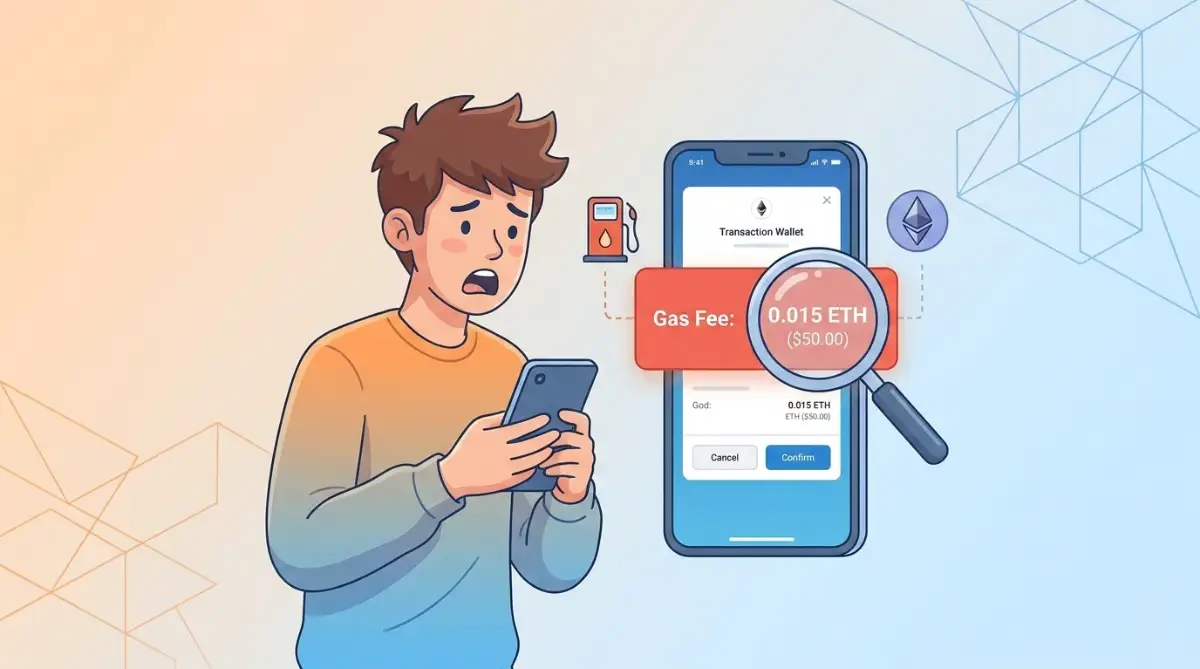
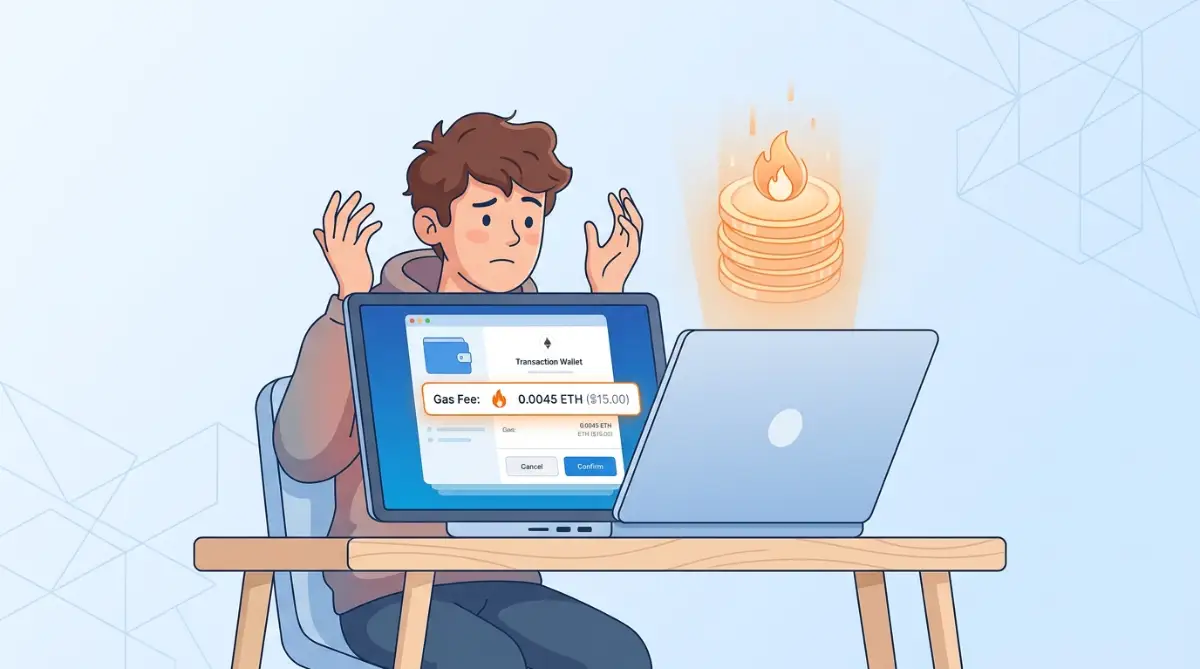
If you've ever tried sending cryptocurrency and suddenly noticed an unexpected fee before hitting confirm, you're not alone. A lot of beginners are surprised when they realize moving digital assets can cost more than they expected. Some people even cancel transactions because the fee feels too high.
This usually leads to a bunch of questions like:
- What even is a gas fee?
- Why does it keep changing all the time?
- Who actually gets the money?
- Can you avoid it?
- And why do some Blockchain's cost almost nothing while others are expensive?
The good news is gas fees aren’t random at all. They follow a pretty logical system that makes a lot more sense once you understand how blockchain's work.
In this guide, you’ll learn what gas fees really are, why they exist, what makes them go up or down, and how beginners can avoid common mistakes—no technical background needed.
Why Every Blockchain Transaction Needs a Fee
Think of a busy highway during rush hour. Tons of cars are trying to get somewhere at the same time, but the road only has so much space. So traffic builds up.
Blockchain networks work in a similar way.
Every second, thousands of people might be:
- Sending crypto
- Swapping tokens
- Buying NFTs
- Using decentralized apps
- Moving assets between wallets
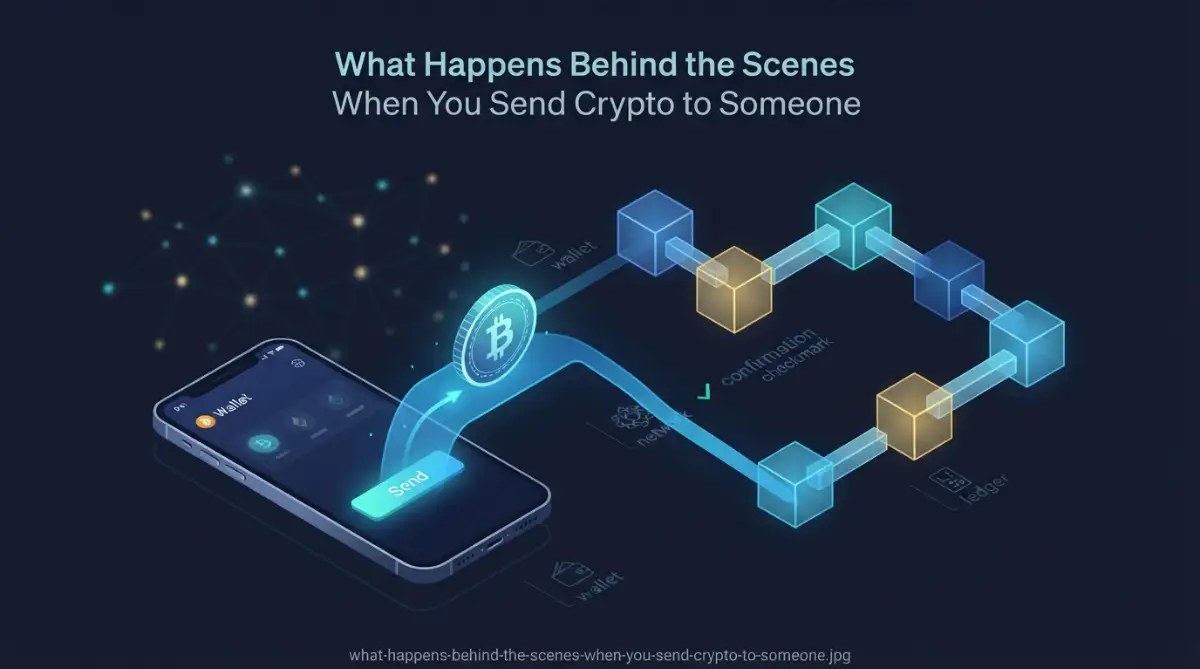
The blockchain can’t process everything instantly. Instead, transactions line up in a queue.
Gas fees act like a priority pass. If you pay a higher fee, your transaction usually gets processed faster. If you pay less, it might take longer.
Without this system, blockchains would have a hard time handling all the demand in a fair way.
What Does "Gas" Actually Mean?
The word gas throws a lot of beginners off because it doesn’t sound very crypto-related.
In simple terms, gas just means the amount of computing work needed to process a transaction.
Whenever you do something on a blockchain, computers all over the world check and verify it.
They have to:
- Confirm the transaction is valid
- Run smart contract steps
- Update blockchain records
- Keep the network secure
All of that takes computing power.
So gas is basically a way to measure that work, and the gas fee is what you pay for it.
Think of it like paying for electricity. The more work a machine does, the more energy it uses.
Who Receives Gas Fees?
A lot of beginners think crypto companies just keep gas fees as profit.
But that’s not really how it works.
Gas fees usually go to the people helping run and secure the network, such as:
- Validators
- Miners
- Network operators
Their job is to:
- Verify transactions
- Stop fraud
- Keep the blockchain running smoothly
- Maintain network security
Gas fees are basically their reward for doing that work.
Without these incentives, decentralized networks wouldn’t have enough people supporting them.
Why Gas Fees Keep Changing
One of the most annoying things for beginners is seeing different fees for what looks like the same transaction.
Here’s why that happens.
Network Congestion
The biggest reason is simple: demand.
When a lot of people are using the network at the same time, things get crowded.
More demand usually means higher fees.
When things are quiet, fees drop.
It’s kind of like flight prices going up during holidays because everyone is trying to travel at once.
Transaction Complexity
Not all crypto actions are equal.
For example:
- Sending crypto is pretty simple
- Swapping tokens takes more work
- Smart contracts need even more processing
- Minting NFTs can be quite complex
More work = higher gas fee.
Blockchain Design
Every blockchain is built differently.
Some are designed to be super fast and cheap.
Others focus more on security or decentralization, which can affect costs.
That’s why fees can vary a lot from one network to another.
Why Ethereum Gas Fees Get So Much Attention
Ethereum is one of the most popular blockchain networks out there.
A huge number of apps and projects run on it every day.
So when lots of people use it at the same time, demand can spike fast.
And when demand spikes, fees often go up too.
That doesn’t mean something is wrong with Ethereum.
It just means a lot of people are trying to use the network at once.
Other blockchains can have similar spikes too, just at different levels.
A Simple Real-Life Example
Think of a post office.
Everyone wants to send their packages.
But the staff can only handle so many per hour.
If only a few people show up, everything moves quickly.
If a huge crowd shows up, things slow down.
Now imagine you can pay extra to get your package processed faster.
Those packages get handled first.
That’s basically how gas fees work in crypto.
Higher fees usually get priority from validators when they pick which transactions to process next.
 Why Some Transactions Take Longer Than Others
After sending crypto, beginners sometimes panic if it doesn’t show up right away.
But in many cases, nothing is wrong.
The transaction is just waiting in line.
A few things affect how fast it goes through:
- How busy the network is
- The gas fee you chose
- Overall network capacity
- How complex the transaction is
Lower fees can still work, but they might take longer when things are busy.
Higher fees usually move faster, but they still aren’t instant.
Can Gas Fees Be Avoided Completely?
This is a super common question.
The short answer is: usually no.
Most public blockchains need gas fees because they help:
- Stop spam transactions
- Reward validators and miners
- Keep the network secure
- Manage limited resources fairly
Without fees, people could spam the network with fake transactions and slow everything down.
So gas fees actually help keep things running properly.
Why Very Small Transactions Sometimes Don't Make Sense
Let’s say you want to send a small amount of crypto.
If the network fee is a big chunk of that amount, it might not be worth it.
For example, paying a high fee just to move a tiny amount doesn’t really make sense.
That’s why experienced users often check gas fees before making non-urgent transactions.
Understanding fees helps you make smarter choices instead of getting surprised after the fact.
Easy Ways to Cut Down Crypto Gas Fees
You usually can’t get rid of gas fees completely, but you can often lower them with a bit of planning. A lot of experienced crypto users take a quick look at network conditions before sending a transaction. That small habit can save you money over time.
Here are a few simple strategies beginners can use.
Wait for Less Busy Hours
Blockchain activity goes up and down throughout the day. When things get busy, more people are trying to get their transactions processed, and that usually drives fees up.
If your transaction isn’t urgent, it can be worth waiting until things calm down. Most blockchain explorers and wallets show current network conditions so you can quickly check whether fees are high or low before you hit confirm.
A little patience can go a long way.
Bundle Transactions When It Makes Sense
Instead of sending lots of small transfers, it can sometimes be cheaper to combine them into fewer transactions.
It won’t always apply, but cutting down the number of separate transactions can reduce the total fees you pay.
Just make sure you double-check wallet addresses before sending anything larger or combined.
Pick the Right Blockchain for What You’re Doing
Not all blockchains cost the same to use.
Some are built with a focus on security and decentralization, while others are designed to be faster and cheaper to use.
Before moving assets, it helps to know which blockchain your token runs on and what the typical fees look like. Getting familiar with different networks can help you make smarter choices without just guessing based on cost.
Don’t Keep Resending Failed Transactions
A common beginner mistake is thinking a transaction failed and immediately trying again.
In many cases, the original transaction is just still waiting to be confirmed.
If you resend too quickly, you might end up paying extra fees for no reason.
It’s better to check the status on a trusted blockchain explorer before trying again.
Understanding Gas Limits Without the Headache
Another term you’ll often see is gas limit.
It sounds technical, but it’s actually pretty simple.
A gas limit is just the maximum amount of computing work your transaction is allowed to use.
Think of it like setting a spending cap before you start a project.
Most good wallets automatically set a reasonable gas limit for you, so you usually don’t need to touch it.
For beginners, it’s safest to just leave it as the default unless you really know what you’re doing.
Common Myths About Crypto Gas Fees
There are a lot of misunderstandings about transaction fees in crypto.
Let’s clear a few of them up.
Myth: Higher Gas Fees Mean Someone Is Stealing Your Money
Reality: Gas fees go to the blockchain network for processing transactions. They’re not hidden charges from your wallet provider.
Myth: Every Cryptocurrency Has High Gas Fees
Reality: Fees vary a lot between blockchains. Some are cheap to use, while others get expensive when the network is busy.
Myth: A Bigger Wallet Balance Lowers Fees
Reality: Your wallet balance doesn’t really affect fees. Gas costs depend on network conditions and how complex the transaction is.
Myth: Every Transaction Costs the Same
Reality: Simple transfers, swaps, smart contracts, and NFTs all use different amounts of computing power, so fees can vary quite a bit.
Beginner Mistakes That Can Cost You Extra
Learning what not to do can save you both money and stress.
Ignoring Network Activity
Sending transactions during peak congestion without checking fees first can lead to higher costs than expected.
Sending Too Many Test Transactions
Testing a wallet with a small amount is smart when you’re starting out.
But doing it over and over can rack up unnecessary fees.
Try to balance caution with efficiency.
Forgetting to Save Enough for Gas
A lot of beginners send their full balance without realizing they still need funds for gas fees.
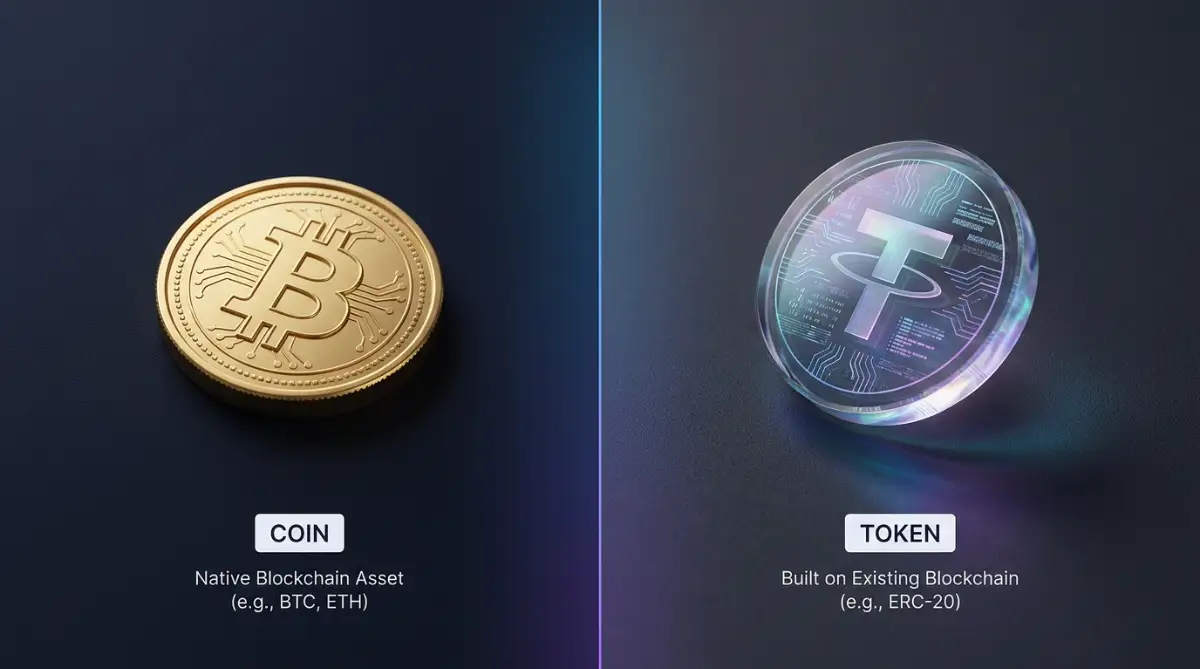
On many networks, you need the native coin to pay for transactions.
If you don’t have enough, the transaction simply won’t go through.
Rushing Without Double-Checking
Gas fees usually can’t be recovered if you mess up details like the address.
Always take a moment to check:
- Recipient address
- Blockchain network
- Token type
- Estimated fee
That extra minute can save you from costly mistakes.
How Wallets Estimate Fees for You
Modern wallets are much easier to use than they used to be.
Instead of figuring out fees yourself, most wallets now estimate them automatically.
You’ll usually see things like:
- Estimated network fee
- Expected speed
- Current network congestion
- Total cost
These estimates help you decide before you confirm a transaction.
Just keep in mind they can change quickly if the network suddenly gets busier.
Why Gas Fees Exist for More Than Just Sending Crypto
Gas fees aren’t only for sending coins.
They also apply to a lot of other blockchain actions, like:
- Running smart contracts
- Using decentralized apps
- Swapping tokens
- Minting NTFS
- Using Define platforms
- Recording data on-chain
All of these require computing power, which is why fees exist in the first place.
How Fees Connect to Network Security
One of the biggest strengths of blockchain is security.
Keeping that security strong takes a lot of people (validators or miners) working to confirm transactions.
Gas fees give them an incentive to keep the network running.
Without those rewards, fewer people would support the system, which could weaken it.
So even though nobody loves paying fees, they play an important role in keeping everything secure and running smoothly.
How Layer 2 Networks Help Lower Costs
As blockchain tech has grown, developers have built extra solutions to make things more efficient.
One of the most common is Layer 2 networks.
Instead of handling every transaction directly on the main blockchain, Layer 2 systems process many transactions off to the side and then record the final results back on-chain.
This can lead to:
- Lower fees
- Faster transactions
- Less congestion
- Better scalability
Not every blockchain uses Layer 2 the same way, but it’s a big part of how the space is improving over time.
Building Good Habits From Day One
You don’t need to be an expert to avoid most mistakes in crypto—good habits go a long way.
Before sending anything, quickly check:
- Am I on the right blockchain?
- Is the recipient address correct?
- Do I have enough for both the transfer and gas?
- Is the network busy right now?
- Does the fee look reasonable?
Doing this every time helps you avoid a lot of common issues.
Looking Beyond Just the Fee
It’s easy to focus only on how much a gas fee costs.
But it also helps to think about what you’re actually paying for.
That fee supports:
- Network security
- Transaction validation
- Processing power
- Spam protection
- Overall system reliability
Key Takeaways for Beginners
Gas fees can feel confusing at first, but they make a lot more sense once you understand the basics.
Here’s what to remember:
- Gas fees pay for the work done by the blockchain
- Fees change based on demand and transaction type
- Validators or miners earn these fees for securing the network
- Less network traffic usually means lower fees
- Different blockchains have different cost structures
- Wallets often estimate fees before you confirm
- A bit of planning can help you avoid unnecessary costs
Once you get used to it, checking fees becomes just another quick step before sending crypto.
Over time, it’ll feel natural and help you become more confident with every transaction.
Disclaimer
This article is intended for educational and informational purposes only. It does not provide financial, investment, legal, or tax advice. Cryptocurrency transactions involve risks, including network fees, price volatility, and operational errors. Always verify transaction details, understand the blockchain network you are using, and conduct your own research before making financial decisions.