Hidden Dangers of Keeping All Your Crypto on One Exchange
Cryptocurrency has transformed the way people think about investing, saving, and managing wealth. Millions of investors now use cryptocurrency exchanges because they offer convenience, fast transactions, and access to hundreds of digital assets.
However, convenience often creates a dangerous illusion of security.
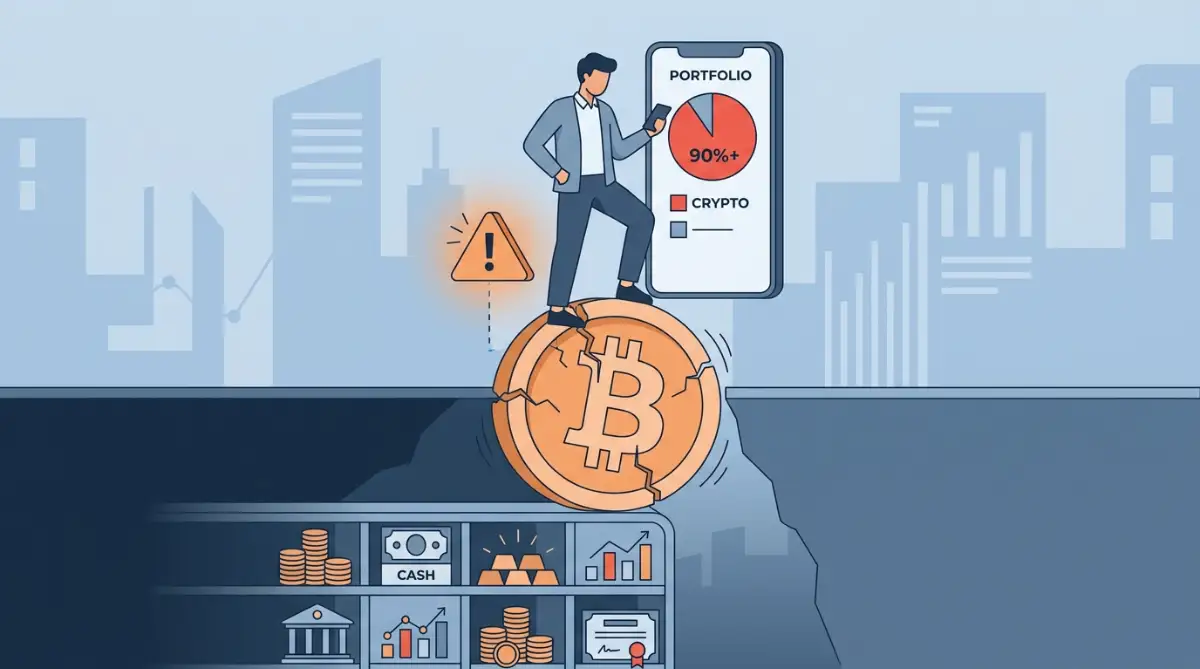
Many beginners—and even experienced investors—make one critical mistake: keeping their entire cryptocurrency portfolio on a single exchange. At first, it seems harmless. Everything is organized in one place, buying and selling is simple, and there is only one account to manage.
The reality is far more complicated.
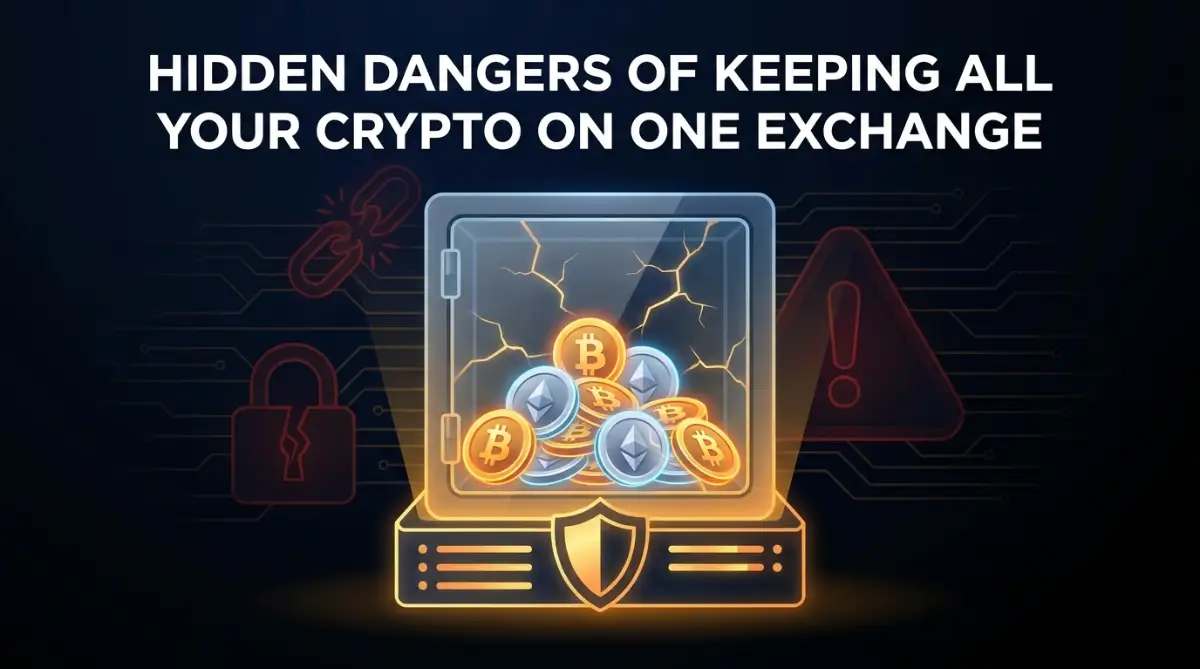
No matter how reputable an exchange appears, it is still a centralized platform with its own technical, operational, financial, and regulatory risks. History has shown that even large exchanges can experience security breaches, temporary outages, frozen withdrawals, or unexpected business failures.
Understanding these risks is one of the most important steps toward becoming a smarter crypto investor.
In this guide, you'll discover why relying on only one exchange can expose your investments to unnecessary danger and what every cryptocurrency holder should understand before building a long-term portfolio.
Why So Many Investors Keep Everything in One Place
Most people don't intentionally make risky decisions.
Instead, they choose convenience.
When someone creates their first exchange account, everything they need appears to be available:
- Buying cryptocurrency
- Selling assets
- Portfolio tracking
- Staking services
- Trading features
- Mobile applications
Since everything works smoothly, many investors never consider moving their assets elsewhere.
Over time, their portfolio grows while remaining inside the same platform.
Unfortunately, increasing investment size without improving security also increases potential losses if something unexpected happens.
The larger your holdings become, the more important proper asset protection becomes.
The Misunderstanding About Exchange Ownership
One of the biggest misconceptions in cryptocurrency is believing that assets stored on an exchange are fully under your control.
Technically, this isn't always true.
When cryptocurrency remains on a centralized exchange, the platform manages the private keys associated with those funds.
Private keys are what truly control cryptocurrency ownership.
This has led to the popular phrase within the crypto community:
"Not your keys, not your coins."
This doesn't mean exchanges are unsafe by default.
Instead, it highlights that users depend on the exchange's systems, security policies, and operational stability whenever assets remain on the platform.
Understanding this difference helps investors make better long-term security decisions.
Security Breaches Can Affect Even Large Platforms
Modern cryptocurrency exchanges invest heavily in cyber security.
They employ security teams, encryption, cold storage solutions, fraud monitoring systems, and multi-factor authentication.
Even so, cyber security is an ongoing challenge.
Attack methods continue evolving.
Cyber criminals constantly search for vulnerabilities through phishing, malware, insider threats, software exploits, and social engineering attacks.
Although many exchanges successfully stop countless attacks every day, no online system can realistically promise absolute protection.
If an exchange experiences a significant security incident, users with all of their assets stored there may face serious uncertainty while investigations and recovery efforts take place.
Diversifying storage reduces dependence on any single platform.
Platform Downtime Can Prevent Important Decisions
Crypto markets operate continuously.
Prices can change dramatically within minutes.
Now imagine a situation where an exchange becomes temporarily unavailable due to:
- High trading volume
- Server maintenance
- Technical failures
- Network congestion
- Unexpected infrastructure problems
Even if your funds remain safe, temporary downtime can prevent you from accessing your portfolio exactly when you need it.
Some investors may miss opportunities to manage risk or adjust their investments during periods of extreme market volatility.
Using multiple secure storage options can help reduce dependence on one platform's availability.
Withdrawal Restrictions May Create Unexpected Stress
Another risk many investors overlook involves withdrawal limitations.
During periods of heavy activity or technical issues, exchanges may temporarily delay processing withdrawals.
Sometimes delays result from additional identity verification.
In other situations, blockchain congestion slows transactions.
Occasionally, platforms temporarily pause withdrawals while investigating suspicious activity or performing system upgrades.
These situations don't always indicate a major problem.
However, if every cryptocurrency asset is stored on the same exchange, even temporary withdrawal delays can create unnecessary stress for investors who require timely access to their funds.
Regulatory Changes Can Affect User Access
Cryptocurrency regulations continue evolving across different countries and regions.
An exchange operating normally today may later face new compliance requirements, licensing obligations, or regional restrictions.
Depending on local regulations, some users may experience:
- Additional verification requests
- Limited services
- Trading restrictions
- Withdrawal policy updates
- Temporary account reviews
While regulatory oversight can improve investor protection, unexpected policy changes may still affect account access.
Diversifying where assets are stored reduces reliance on any single regulatory environment.
Account Security Depends on More Than the Exchange
Even if an exchange maintains excellent cyber security, individual user accounts remain vulnerable.
Many successful cryptocurrency thefts occur because attackers compromise personal accounts rather than breaking into exchange infrastructure.
Common security risks include:
- Weak passwords
- Password reuse
- Phishing emails
- Fake login websites
- Malware
- SIM swap attacks
- Unsecured devices
This means protecting cryptocurrency is a shared responsibility between the exchange and the account owner.
Strong personal security habits are just as important as choosing a reputable platform.
Build a Smarter Crypto Storage Strategy
Protecting cryptocurrency is not about avoiding exchanges altogether. Exchanges play an essential role in buying, selling, and converting digital assets. The key is understanding that they should usually be viewed as one part of a broader security strategy rather than the permanent home for an entire investment portfolio.
A balanced approach helps reduce unnecessary exposure while giving you flexibility when market conditions change.
Many experienced investors separate their holdings based on purpose instead of storing everything in one account.
For example:
- Assets intended for active trading may remain on a trusted exchange.
- Medium-term investments may be stored in a secure software wallet.
- Long-term holdings are often moved to a hardware wallet or another self-custody solution where the owner controls the private keys.
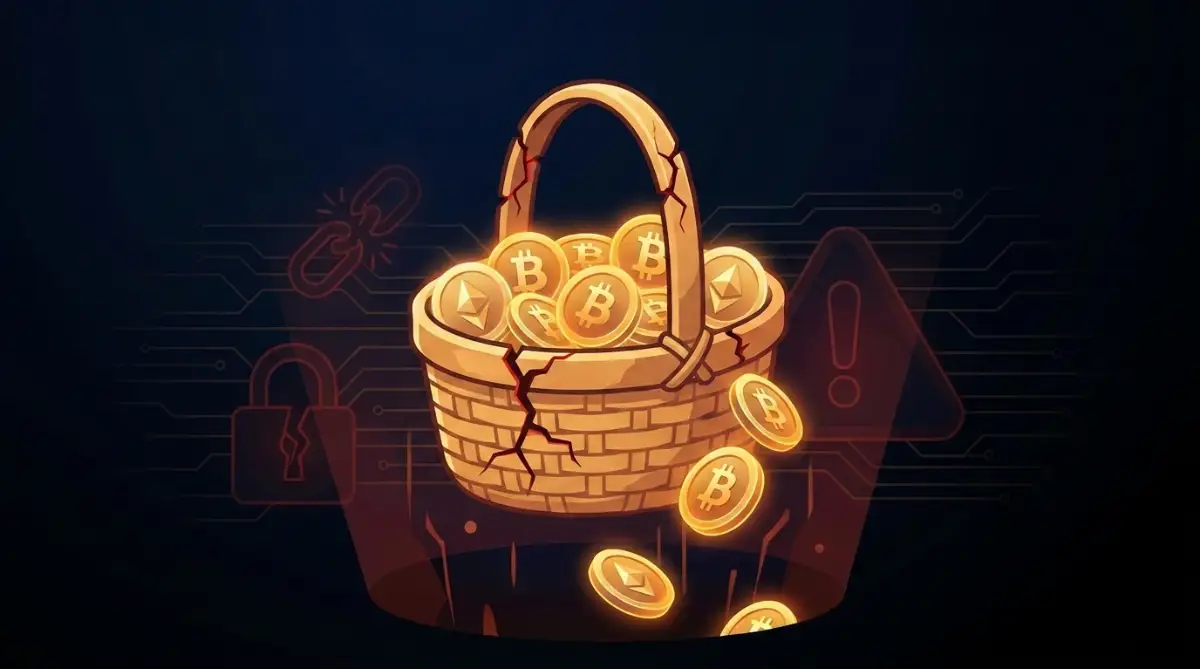
This layered approach prevents a single point of failure from affecting an entire portfolio.
Why Diversification Is About More Than Investments
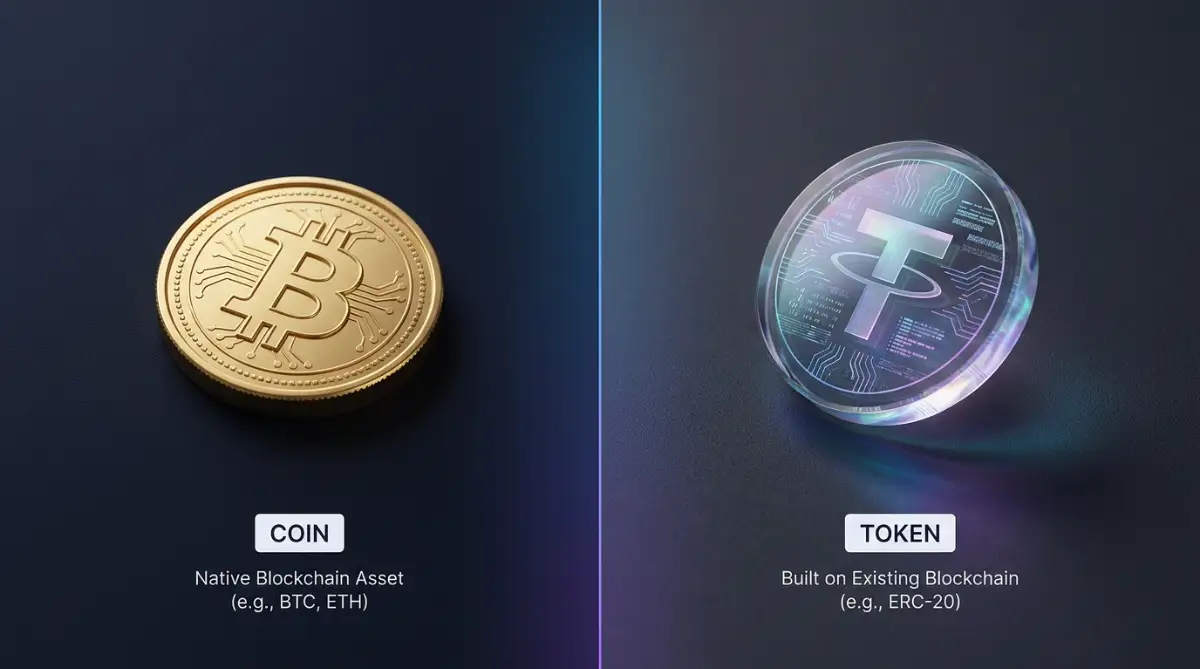
Most investors understand the importance of diversifying cryptocurrencies themselves. They may own Bitcoin, Ethereum, stable coins, or other digital assets to reduce investment risk.
However, many forget to diversify where those assets are stored.
Storage diversification is another important form of risk management.
Imagine placing every valuable document, every backup drive, every financial record, and every important password inside one physical box. If something happened to that box, everything could be affected at once.
The same principle applies to cryptocurrency.
Using multiple secure storage methods helps reduce operational risk without changing your investment strategy.
Choose Exchanges Based on Security Instead of Popularity
Large user numbers do not automatically guarantee stronger protection.
Before trusting an exchange with any significant amount of cryptocurrency, evaluate its overall security practices.
Consider factors such as:
- Multi-factor authentication support
- Withdrawal protection features
- Cold storage policies
- Device management options
- Login notifications
- Security history
- Transparency regarding security practices
- Independent security audits when available
Reliable platforms usually invest heavily in educating users about account protection and regularly update their security infrastructure.
Protect Your Account Beyond the Password
Passwords remain important, but modern account security requires multiple layers.
A strong password should be:
- Long
- Unique
- Difficult to guess
- Never reused on another website
Adding multi-factor authentication significantly improves protection by requiring an additional verification step before login.
Investors should also review connected devices regularly and remove unfamiliar sessions immediately.
Email security deserves equal attention because email accounts often become the gateway to cryptocurrency accounts.
If an attacker gains access to your email, password reset requests may become much easier.
For this reason, securing your email account with strong authentication is just as important as protecting your exchange account.
Create Reliable Backup Procedures
One overlooked aspect of crypto security is preparation for unexpected situations.
Imagine forgetting account credentials.
Imagine losing access to a mobile device.
Imagine replacing a damaged phone while traveling.
Without proper backups, recovering accounts can become stressful.
Good backup practices include securely storing:
- Recovery phrases
- Backup authentication methods
- Emergency contact information where appropriate
- Important wallet information
These backups should be stored safely and privately.
Avoid saving sensitive recovery information in locations that could easily be accessed by unauthorized individuals.
Stay Alert to Social Engineering
Many successful cryptocurrency thefts begin with manipulation rather than technical hacking.
Attackers often attempt to create urgency.
Examples include messages claiming:
- Your account will be suspended.
- Immediate verification is required.
- Funds are at risk.
- A prize has been won.
- Security updates require login confirmation.
These messages frequently imitate trusted companies.
Before clicking any link, verify that it comes from an official source.
Typing the exchange website directly into your browser is generally safer than following unexpected links from emails or messages.
Patience is one of the strongest security tools available.

Recognize Emotional Decision-Making
Security mistakes are often driven by emotion instead of technology.
Fear.
Excitement.
Greed.
Panic.
These emotions can encourage investors to ignore normal safety procedures.
For example, during periods of rapid market movement, someone might disable security settings simply to complete trades faster.
Others may approve suspicious login requests because they feel pressured to act immediately.
Taking a few extra moments to verify information can prevent costly mistakes.
Common Habits That Increase Risk
Many cryptocurrency users unknowingly weaken their own security.
Some examples include:
Reusing Passwords
If one website experiences a data breach, attackers often test the same password across many popular services.
Unique passwords dramatically reduce this risk.
Ignoring Software Updates
Operating systems, browsers, and authentication applications regularly receive important security improvements.
Delaying updates may leave known vulnerabilities unpatched.
Logging In Through Public Networks
Public Wi-Fi networks can introduce additional risks, particularly if users fail to verify network authenticity.
Whenever possible, use trusted internet connections for financial activities.
Saving Sensitive Information Carelessly
Recovery phrases should never be stored in unsecured locations or shared with anyone claiming to provide technical support.
Legitimate companies do not request private recovery phrases.
Develop a Long-Term Security Mindset
Crypto security is not something completed once.
It is an ongoing habit.
Technology changes.
Threats evolve.
Security practices improve.
Regularly reviewing account settings, updating passwords when appropriate, checking authentication methods, and evaluating storage arrangements helps maintain stronger protection over time.
Investors who treat security as a continuous process are generally better prepared for unexpected situations.
Frequently Asked Questions
Is it always unsafe to keep cryptocurrency on an exchange?
Not necessarily.
Reputable exchanges provide valuable services and often maintain advanced security systems. The concern arises when an entire portfolio depends on one platform. Diversifying storage can reduce overall risk.
Should beginners immediately use self-custody wallets?
Every investor should first understand how wallets, private keys, and recovery phrases work before moving significant assets into self-custody. Learning the basics carefully helps reduce avoidable mistakes.
Does using multiple exchanges eliminate all risks?
No.
Diversification reduces concentration risk but cannot remove every possible threat. Good personal security practices remain essential regardless of where assets are stored.
How often should security settings be reviewed?
Reviewing important security settings periodically—especially after changing devices, updating contact information, or noticing unusual account activity—is a good habit.
Is two-factor authentication enough?
It provides an important layer of protection but works best alongside strong passwords, secure email accounts, trusted devices, and careful online behavior.
Key Takeaways for Safer Cryptocurrency Storage
The strength of a cryptocurrency portfolio depends not only on the assets it contains but also on how those assets are protected.
Keeping every digital asset on a single exchange may seem convenient, yet it also concentrates operational, technical, and account-related risks into one location. By combining trusted exchanges with appropriate wallet solutions, practicing strong account security, staying alert to scams, and reviewing security habits regularly, investors can significantly improve the resilience of their digital asset strategy.
Cryptocurrency security is not built through one perfect tool or one perfect platform. It is created through informed decisions, consistent habits, and thoughtful preparation. The more attention investors give to protecting access to their assets, the better positioned they are to navigate the evolving world of digital finance with greater confidence and peace of mind.
Disclaimer
This article is intended for educational and informational purposes only and should not be considered financial, investment, legal, or cybersecurity advice. Cryptocurrency investments involve risks, and every investor's circumstances are different. Always conduct your own research, evaluate your personal risk tolerance, and consult a qualified professional when appropriate before making financial or security-related decisions.